
Last updated November 25, 2026
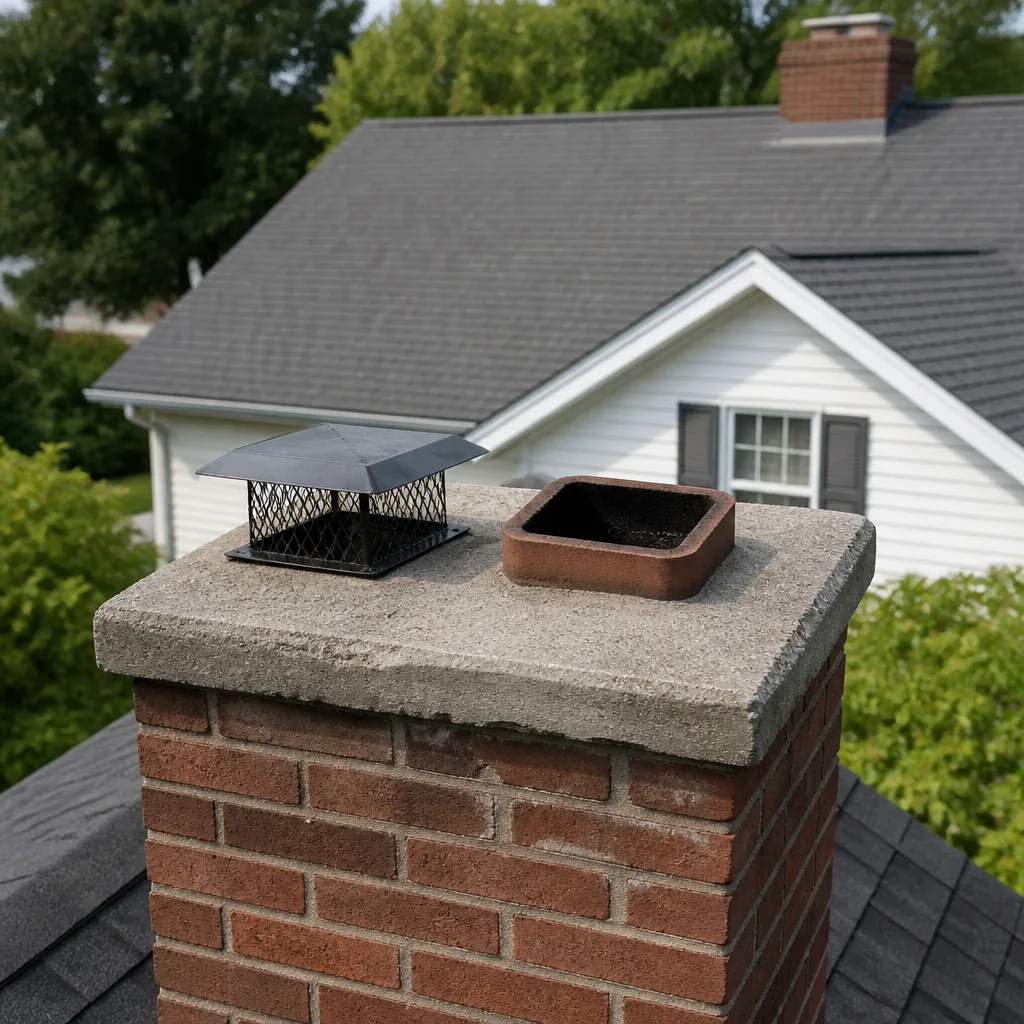 Sweep & inspection
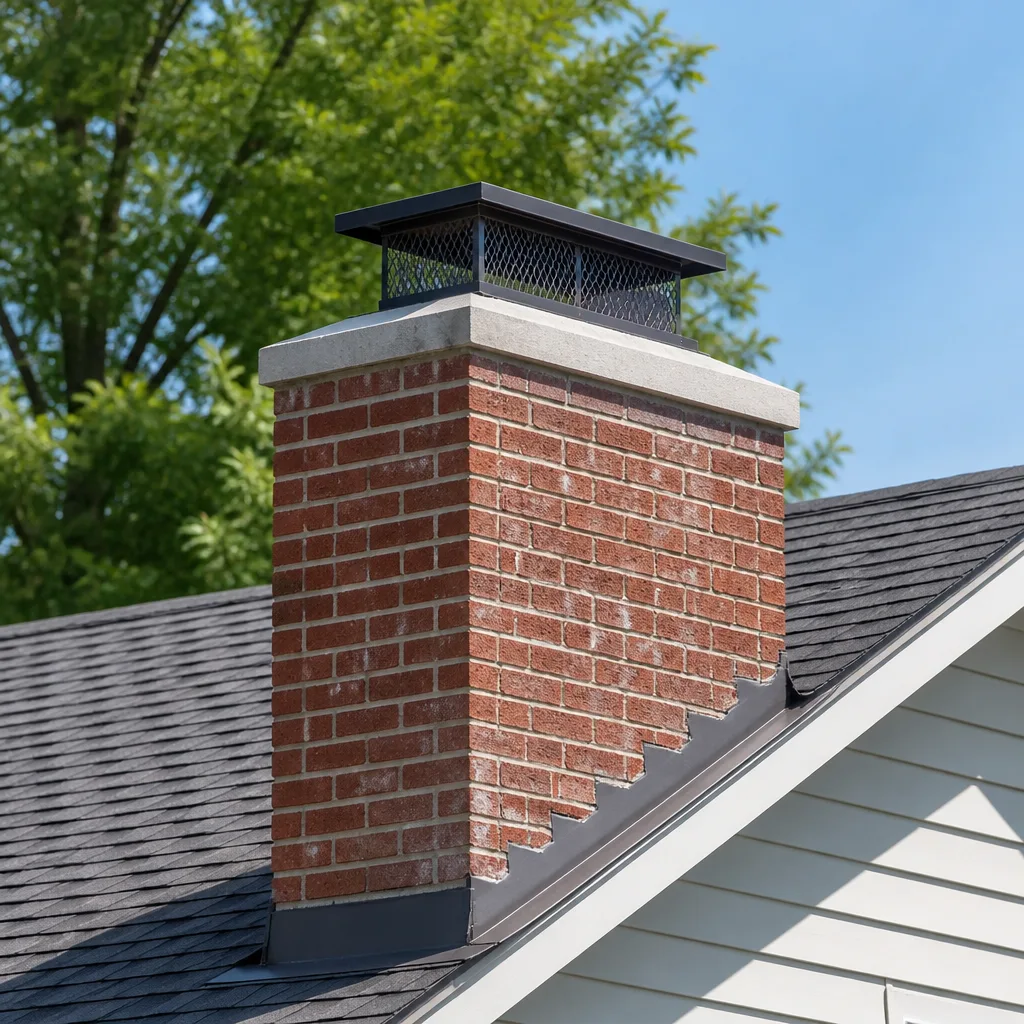 Caps & crowns
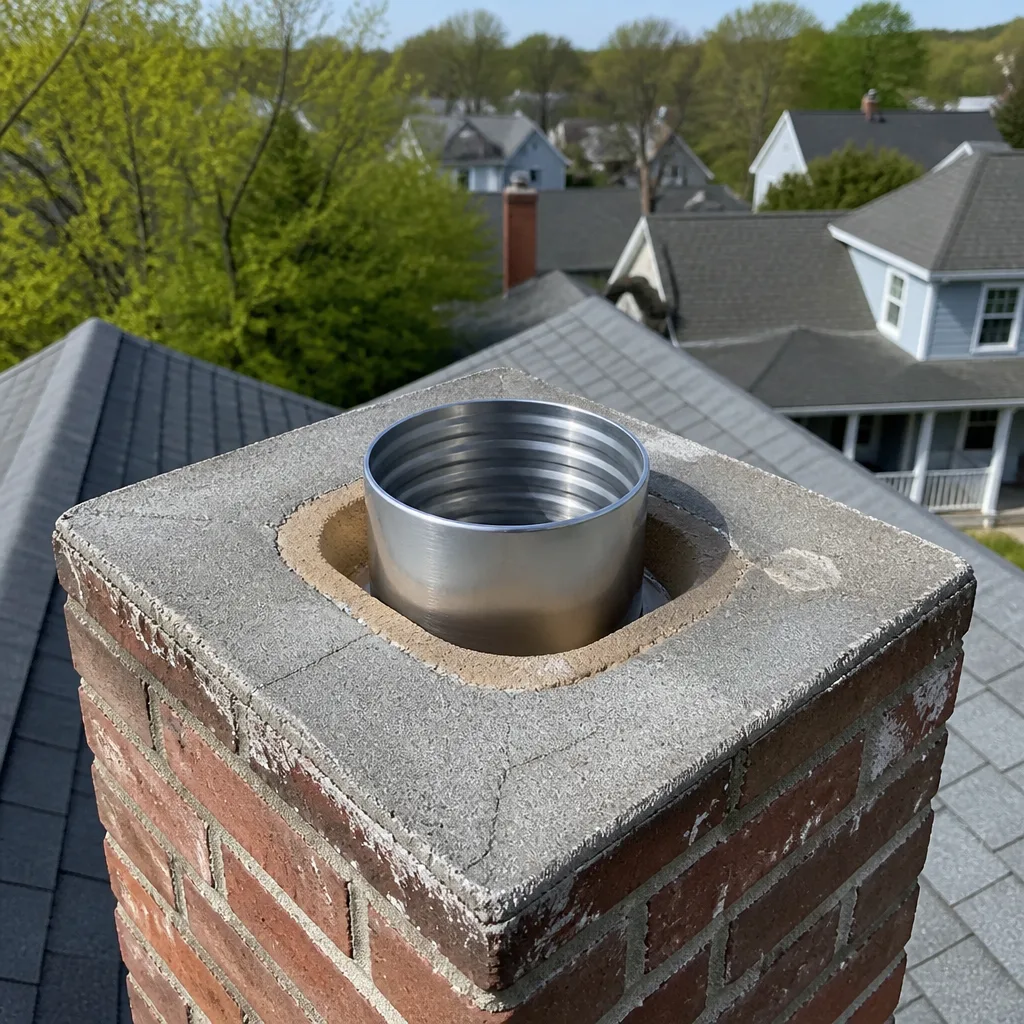 Flue relining
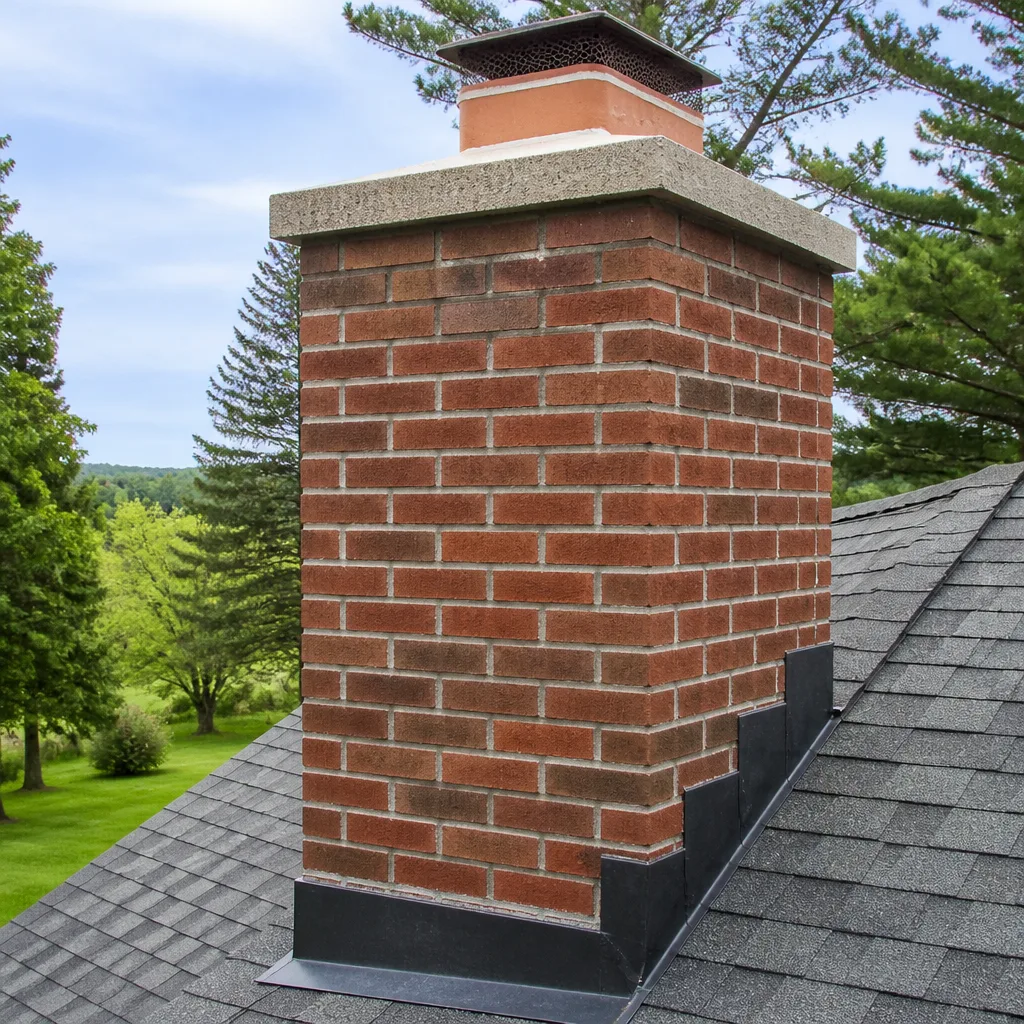 Masonry repair
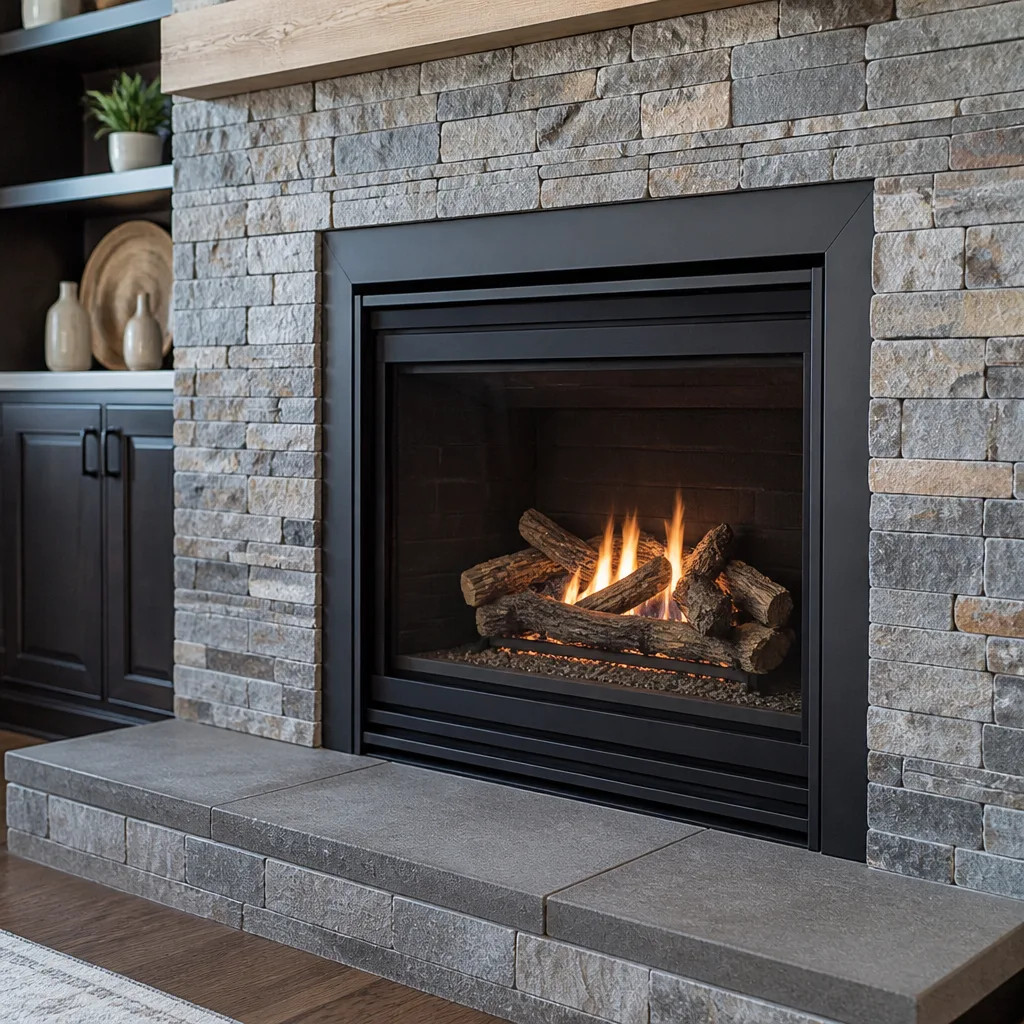 Gas fireplace service
Level 1 sweep and inspection to the NFPA 211 annual standard - flue, crown, cap, and flashing checked and photographed
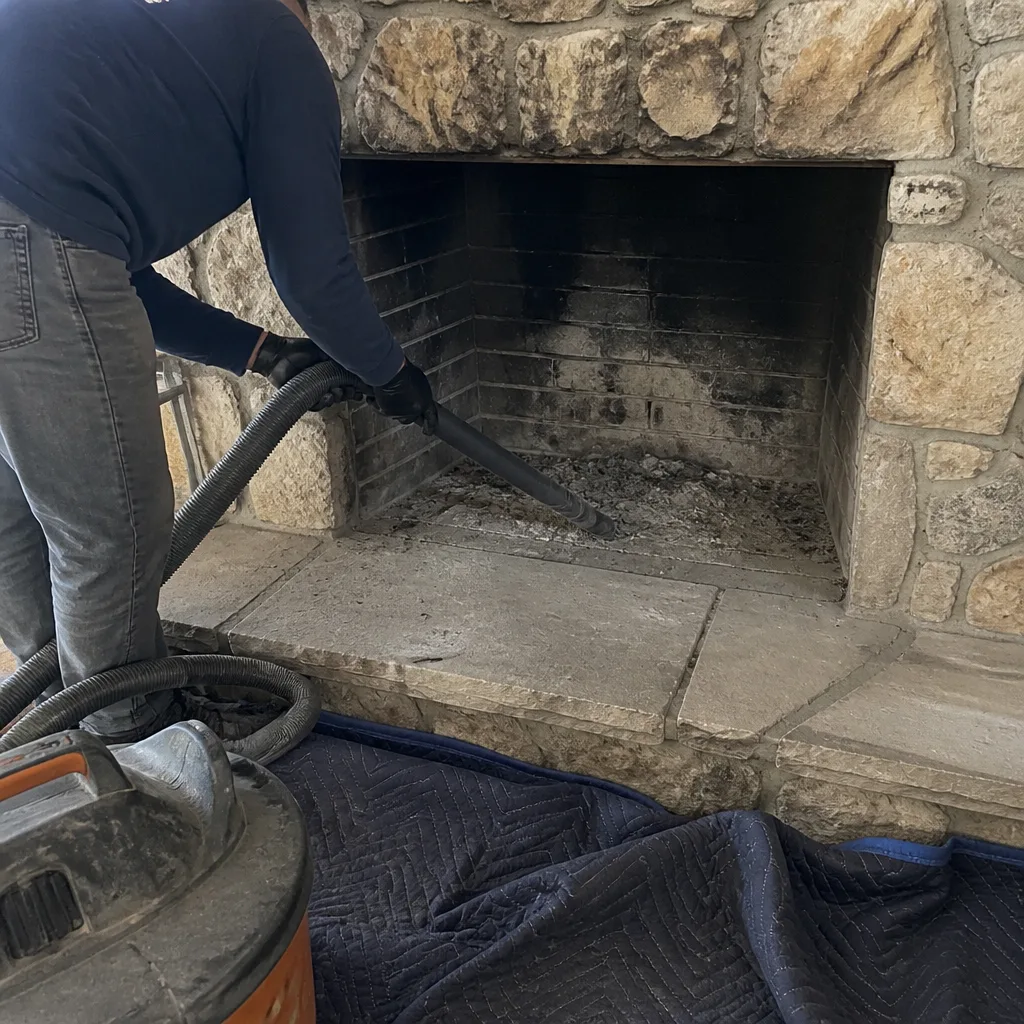
Chimney sweep logs do not sweep chimneys. They loosen some creosote - which then falls where a brush and vacuum still have to collect it.
Chimney Sweep Troubleshooting in West Jordan: Common Problems and How to Fix Them
If you tell a chimney company “it smokes when I light a fire,” you’ll get a cleaning quote. If you tell them “it only backdrafts when the upstairs bathroom fan is running,” you’ll get the right diagnosis, and probably a cheaper fix. That difference is the whole point of this guide. Most chimney problems homeowners notice, whether it’s smoke rolling into the room, a sour smell in summer, or a crack that seems to be spreading, trace back to one of four parts of the system: the flue, the firebox, the cap and crown, or the air pressure around the house. Learning to describe what you’re seeing precisely means the technician arrives already pointed at the right component. This guide is written for West Jordan homeowners who want to troubleshoot before they pick up the phone.
Styles & brands we work with
- Sweep & inspection
- Caps & crowns
- Flue relining
- Masonry repair
- Gas fireplace service
Quick Answer
Chimney problems in West Jordan usually come down to one of four root causes: a blocked or dirty flue, a draft problem caused by air pressure or the house’s elevation, a failed liner, or water getting in through a damaged crown or missing cap. The symptom tells you which one to investigate first. Backdraft that appears only when exhaust fans run points to pressure, not blockage. A musty or chalky white residue points to moisture, not creosote. A smoky smell that gets worse in humid weather usually means the flue is absorbing moisture. Diagnosing the component correctly before you call saves time and avoids paying for work your chimney doesn’t need.
Table of Contents
- Symptom-to-Component Map: Match the Problem to the Right Part
- Backdraft and Smoke Rollback: Three Very Different Causes
- Why West Jordan’s Elevation Changes How Your Chimney Drafts
- Creosote Smell vs. Masonry Smell: Telling Them Apart
- Safe Visual Checks You Can Do From the Firebox
- When a Sweep Problem Is Really a Liner Problem
- Cap and Crown Failures: The Water Problems Homeowners Miss
- Common Mistakes to Avoid
- When to Call a Professional
- Frequently Asked Questions
- The Bottom Line
Symptom-to-Component Map: Match the Problem to the Right Part
Chimney troubleshooting gets much faster once you stop thinking of the chimney as one object and start thinking of it as four connected components. Each one fails in its own way and produces its own symptoms. When you can name the component, you can describe the problem accurately, and the technician knows what to bring and what to check first.
Here’s how the symptoms map to the parts:
- Smoke rolling back into the room → likely draft or air-pressure problem, blockage, or a flue that’s too large for the appliance. More on this below.
- Strong smoky smell in warm weather, worse on humid days → the flue is drawing in outside air and releasing absorbed creosote odor. This is normal chimney physics, not necessarily a failure, but it points to creosote levels worth checking.
- White chalky staining on exterior brick → efflorescence, which means water is moving through the masonry. A crown or flashing problem, not a sweeping problem.
- Rusted damper or firebox metal → chronic moisture intrusion from above. The cap or crown is the usual suspect.
- Visible cracks in the firebox brick or mortar joints → heat stress in the firebox, distinct from the flue liner itself. Structural, not operational.
- Pieces of flue tile in the firebox after a cleaning → liner deterioration. This is the one homeowners most often mistake for a sweep issue.
A chimney is only as healthy as its weakest component. If the crown is cracked but the flue is clean and the liner is sound, the chimney still takes on water every time it rains. That’s why we work on the whole system, not just what’s visible from the living room. When you call, describing “smoke only when the dryer runs” is worth ten “it’s not working” descriptions.
Backdraft and Smoke Rollback: Three Very Different Causes
Backdraft is the most misdiagnosed chimney complaint in West Jordan, and it’s worth understanding because the fix can range from a five-minute adjustment to a real repair. Three separate causes produce the same symptom, and they need completely different solutions.
Cause 1: Air Pressure in the House
Modern West Jordan homes are tight. Exhaust fans, dryer vents, and range hoods pull air out of the house, and if the house can’t draw enough replacement air through gaps and vents, it pulls the missing air down your chimney. That reversed flow carries smoke into the room. The tell is timing: the smoke only appears when a fan runs or the furnace kicks on, and it stops when the fan does. Fixing this is often about adjusting how the house breathes, not about the chimney at all.
Cause 2: A Blockage or Heavy Creosote
A bird nest, a fallen cap, or a thick glaze of creosote narrows the flue. The fire can’t push smoke past the restriction, so it comes out the path of least resistance, which is into your living room. This type of backdraft tends to appear all the time regardless of what’s running in the house, and it gets worse the hotter the fire burns. A cleaning or an inspection usually resolves the diagnosis.
Cause 3: Flue Sizing Mismatch
An oversized flue won’t stay warm enough to maintain draft, especially after the fire dies down. Many older homes in West Jordan were built with flues sized for open fireplaces, and only later was an insert or a wood stove added. The flue is now mismatched to the appliance, and the result is smoke that spills as the fire cools.
- Time your symptoms. Note whether backdraft appears only when a fan runs or the furnace cycles on.
- Note whether it happens with every fire or only when the fire dies down.
- Check the cap from the ground for obvious debris or a sagging screen.
- Describe the timing to your technician before they arrive, so they bring the right diagnostic tools.
If you’re already seeing smoke rollback, a documented evaluation is a good first step. Learn more about our West Jordan Chimney Sweep approach to diagnosing these complaints, or call us for a professional inspection before you keep burning.
Why West Jordan’s Elevation Changes How Your Chimney Drafts
West Jordan sits at roughly 4,300 feet above sea level, and that matters to your chimney more than most homeowners realize. At elevation, atmospheric pressure is lower, so there’s simply less air to push smoke out of the flue. The chimney needs to be taller or warmer to achieve the same draft a sea-level chimney gets easily. This isn’t a West Jordan-specific defect. It’s a reality of building in the Wasatch Front, and it explains some smoke complaints that feel mysterious.
Two consequences follow. First, cold-start smoke is more common here. The flue is cold, the air is thin, and until the fire generates real heat, draft is weak. Second, that same thin air gives you less margin for error when the flue is partially blocked. A chimney in West Jordan that would draft fine at sea level with a dirty flue can backdraft here, because the reserve of draftable air is smaller.
The practical takeaway is that keeping a clean, sound flue is more important at our elevation than it might be in a coastal city. Two things help: pre-warming the flue on cold starts (a rolled newspaper lit near the damper, held safely with tongs, can start the draft before the firebox is loaded) and keeping creosote from building into a restriction. Homeowners who run their fire hot but clean get better performance at elevation than those who run a slow, cool fire.
If your draft problems have been around since the house was built, it’s worth checking whether the flue is sized for your appliance. That’s part of what a chimney sweep and inspection covers in West Jordan, and it’s the kind of thing a general handyman typically doesn’t check.
Creosote Smell vs. Masonry Smell: Telling Them Apart
Two entirely different smells get reported as “chimney smell,” and they have two entirely different fixes. Getting this right matters, because treating a moisture problem like a creosote problem wastes money and doesn’t solve it.
Creosote smell is the smoky, tarry, sometimes sharp odor that appears when the weather turns warm and humid. Creosote deposits absorb moisture from the air and release it as odor. The smell is strongest in summer, after a stretch of rainy or humid days, and it smells like a campfire or a smoldering log. This is an operational issue. The fix is usually a thorough cleaning to remove the deposits, plus attention to how the fire was burned the previous season. It doesn’t necessarily mean anything is wrong with the structure.
Masonry smell is musty, damp, and often described as a wet basement. It means water is moving through the brick and mortar. Look for efflorescence, that white chalky bloom on exterior brick or on the firebox face. Efflorescence doesn’t cause the smell itself, but it’s the visible sign that water has been migrating through the masonry for a while. The fix is upstream: a crown repair, flashing repair, or a proper cap so water stops getting in.
How to tell them apart:
- Creosote smell: worst in warm, humid weather, smells like smoke or tar.
- Masonry smell: musty, year-round, often accompanied by white staining or damp patches.
- Both are smell complaints, but only one points to a failing exterior. The other points to maintenance and burning habits.
If you’re not sure which smell you have, camera inspection is the way to find out. At West Jordan Chimney Sweep, we can inspect the flue and photograph the interior so you can see the difference for yourself instead of taking anyone’s word for it.
Safe Visual Checks You Can Do From the Firebox
Before you call anyone, there are a handful of safe visual checks you can do right from the firebox opening. These are all look-only. You don’t need tools, you don’t need a ladder, and critically, you should never reach up into the flue or remove any component to look inside.
- Open the firebox and look up. Use a flashlight and look up at the damper and the visible flue above it. Note whether you see loose material, cracked tiles, or heavy dark buildup that looks like asphalt.
- Check the damper. Open and close it. It should move freely. A rusted or stuck damper suggests moisture, which points upstream.
- Look at the firebox brick and mortar joints. Hairline cracks in the firebox are normal in older masonry, but open joints, loose bricks, or pieces of material lying in the bottom warrant an inspection.
- Look straight up the flue if you can. Daylight at the top means the flue is open (good). If you can’t see daylight, don’t assume it’s blocked; it may just be the angle or a capped flue. Note it and move on.
- Walk outside and look at the roof line. A cap that’s rusted, sagging, or missing its bird screen is visible from the ground. So is a crown with visible cracks or crumbling mortar.
Whatever you find, don’t reach into the flue to investigate further. A chimney that hasn’t been cleaned may hold a creosote glaze that’s flammable, and flue tiles can be loose. Let the technician do the interior inspection with a camera. You can safely describe what you saw, and that description helps us decide which inspection level you need.
When a Sweep Problem Is Really a Liner Problem
This is the diagnostic gap that separates a true chimney specialist from a general contractor. Homeowners call about a “sweeping issue.” The flue is dirty, the fire smokes, the draft is weak. A sweep-only service cleans the flue and leaves. But if the cleaning reveals that the flue is lined with cracked or deteriorated tiles, the underlying problem hasn’t been fixed. The liner is the component that keeps combustion gases and creosote from contacting and soaking into the surrounding masonry, and once it’s compromised, the chimney can transmit heat or moisture through the walls.
The diagnostic step most generalists skip is a close interior look at the liner itself, not just the level of soot. A proper inspection distinguishes three states:
- Dirty but intact → a standard cleaning solves it. The liner is doing its job.
- Cracked or spalled liner tiles → a real repair decision. Either reline the flue or, if the flue is a good candidate, restore it. HeatShield restoration is designed to repair and resurface a deteriorated ceramic flue so it performs again, and it can extend the life of a compromised flue without a full liner tear-out.
- Gone or nearly gone → reline with a new liner. DuraFlex is one of the professional liner systems we use, and the choice of liner material depends on your appliance and flue configuration.
The lesson for homeowners is to ask your sweep to look at the liner, not just the soot. If your chimney company can’t tell you the condition of the liner when they finish, you haven’t had a real inspection. Ask for a camera inspection with photos. It’s the difference between a cleaning and a diagnosis, and it’s why a chimney specialist is the right call. Our chimney repair work in West Jordan starts with exactly this check.
Many sweep-only outfits will clean and leave without looking at the liner. That’s not negligence, it’s just scope. A single specialist from inspection through repair, with no handoffs and no gaps in accountability, is the alternative.
Cap and Crown Failures: The Water Problems Homeowners Miss
Most chimney problems that start small, stay small, and then turn into expensive problems start at the top: the cap and the crown. The crown is the concrete or masonry top of the chimney that sheds water away from the flue. The cap is the metal or masonry cover that keeps rain, snow, birds, and debris out. Between them, they do almost all of the work of keeping your chimney’s interior dry.
When a crown cracks, water gets into the masonry structure. You might not notice for a season. Then you find rusted damper parts, crumbling mortar joints, or that musty masonry smell. When a cap rusts through or a bird screen tears, you get birds, squirrels, or rain down the flue. A sagging cap is visible from the ground, and so is a crown with obvious cracks. Both are worth fixing before next winter.
Two things matter when it’s time for the fix. The material and the fit. We install Gelco and Famco caps and crowns, which are durable, properly fitted, and designed to protect the investment you’ve made in cleaning and repair. A generic cap that doesn’t match the flue dimensions is a temporary fix at best.
- Inspect from the ground first. Look for visible cracks in the crown, rust on the cap, or missing bird screen.
- Have the top inspected during a cleaning or inspection. Small crown cracks are easy to seal; large gaps may require a rebuild.
- Replace a failed cap rather than reusing it. A rusted cap is at the end of its life and will fail again.
- Don’t patch a crown with caulk. The material matters. A proper crown is engineered to shed water in West Jordan’s freeze-thaw swings.
The freeze-thaw cycle along the Wasatch Front is hard on crown mortar. Water seeps into a hairline crack, freezes, expands, and widens the crack. That’s what makes crown repair one of the most cost-effective preventative steps you can take, and why we treat cap and crown work as part of the whole-system maintenance story, not an upsell. For related interior work, see our fireplace repair page.
Common Mistakes to Avoid
- Assuming backdraft means a cleaning. Backdraft from a bathroom or kitchen exhaust fan has nothing to do with soot levels. Calling for a sweep when the real issue is air pressure in the house gets you a cleaning and no fix.
- Treating a musty smell with a sweep. Masonry smell points to water intrusion, not creosote. Sweeping doesn’t put the crown back together or stop the water.
- Confusing efflorescence with a cosmetic problem. White bloom on exterior brick means water is moving through the masonry. It’s a diagnostic sign, not a stain to scrub away.
- Skipping the liner check after a cleaning. If your technician cleans and doesn’t look at the liner, ask them to. A cracked flue tile is exactly what a sweep-only call tends to miss.
- Running a cool fire in a West Jordan chimney. At elevation, a cool fire produces less draft and more creosote. Hotter, cleaner burning keeps the flue working and the deposits minimal.
- Burning green or wet wood. The creosote deposits that cause most of the operational smells and future restrictions come from wood that isn’t dry enough. Seasoned wood is the single biggest upgrade to chimney performance.
- Ignoring the cap on the list of things to fix. A missing or rusted cap is one of the easiest and cheapest ways to protect the whole chimney from water and wildlife. It’s not a cosmetic detail.
When to Call a Professional
Some troubleshooting you can do yourself with a flashlight. Others need a trained eye and the right equipment. Call a professional when you see creosote glaze that looks like asphalt or heavy tar, when you find pieces of flue tile in the firebox, when the smell is musty rather than smoky, or when backdraft appears no matter how you burn the fire. Call if you’re preparing to sell or buy a West Jordan home and need a documented inspection, or if you’re planning to install an insert or make any appliance change that could affect flue sizing. Don’t call for advice on climbing your roof to look down the flue. The risks aren’t worth it, and with our phone line we can walk through the symptoms with you and schedule a proper look. West Jordan Chimney Sweep offers free estimates in West Jordan. Call (866) 947-9321. We answer 24/7. Fast dispatch from 7am to 7pm. Our technicians have up to 13 years of experience, and we work on the whole system, not just the parts you can see.
Frequently Asked Questions
That pattern points to an air-pressure problem inside the house, not a dirty flue. The exhaust fan pulls air out of the house, and if the house can’t draw it back in, the chimney is the easiest opening for replacement air to come down. The fix usually involves balancing the house’s air so the chimney isn’t the intake. A professional can confirm it with a draft test.
Usually, yes. Creosote smell is smoky or tarry and gets worse in humid weather. Masonry smell is musty and year-round, and it’s often accompanied by white chalky staining or damp patches on the brick. If you’re unsure, a camera inspection settles it, and the fix depends on which one you have.
Elevation contributes to it but rarely causes it alone. At roughly 4,300 feet, there’s less air pressure to push smoke up the flue, so a cold or dirty chimney has less margin for error. Most backdraft cases are a combination of elevation, a restriction, and air pressure in the house. The diagnosis is about which one is the dominant factor.
Not always. A cracked or deteriorated ceramic liner may be a candidate for HeatShield liner restoration, which repairs and resets the flue surface without a full tear-out. It depends on the extent of the damage and the flue configuration, so the answer comes from an inspection. The key is finding out the liner’s condition rather than scheduling the larger repair blind.
For a home with a regularly used fireplace, an annual inspection is the standard recommendation, and it’s what catches crown cracks, cap rust, and liner issues while they’re still small. Higher use, or a change in appliance or fuel, warrants an inspection sooner. The West Jordan freeze-thaw cycle is hard on the crown and the cap from year to year, so annual is a reasonable cadence to check them.
It depends on the size of the chimney and how much of the crown needs rebuilding. Some crowns can be sealed and repaired; others need a rebuild. Caps vary by flue configuration and material. The written estimate after a look is the final number. We install Gelco and Famco caps and crowns, and the estimate comes after the inspection, not before.
The Bottom Line
Most chimney problems fall into four buckets: blockages, draft and pressure issues, liner deterioration, and water intrusion. The skill in troubleshooting isn’t in knowing a long list of symptoms, it’s in matching the symptom you’re noticing to the right component before you spend money. Describe your symptoms precisely, do the safe look-only checks from the firebox, and ask your technician to show you the condition of the liner, not just the soot level. At roughly 4,300 feet, West Jordan chimneys get less draft margin, so a clean, sound, well-capped system matters more here, not less. A chimney specialist will find one answer, not hand you off between trades.
If this guide matched the symptom you’re seeing, the next step is a call. West Jordan Chimney Sweep handles chimney care for the whole system in West Jordan, from sweeping and inspection through liner, cap, and crown work. Call (866) 947-9321 for a free estimate.
Written by the team at West Jordan Chimney Sweep.
See the difference
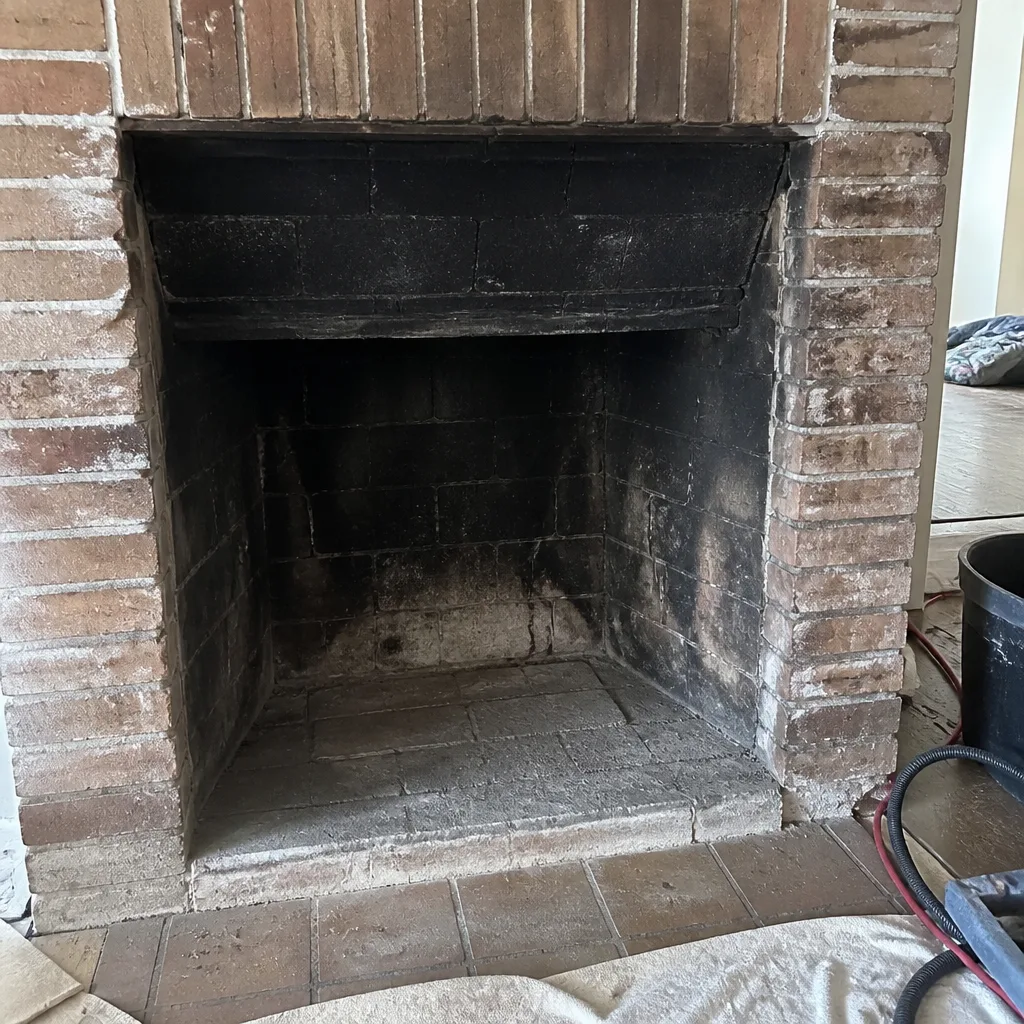 Before
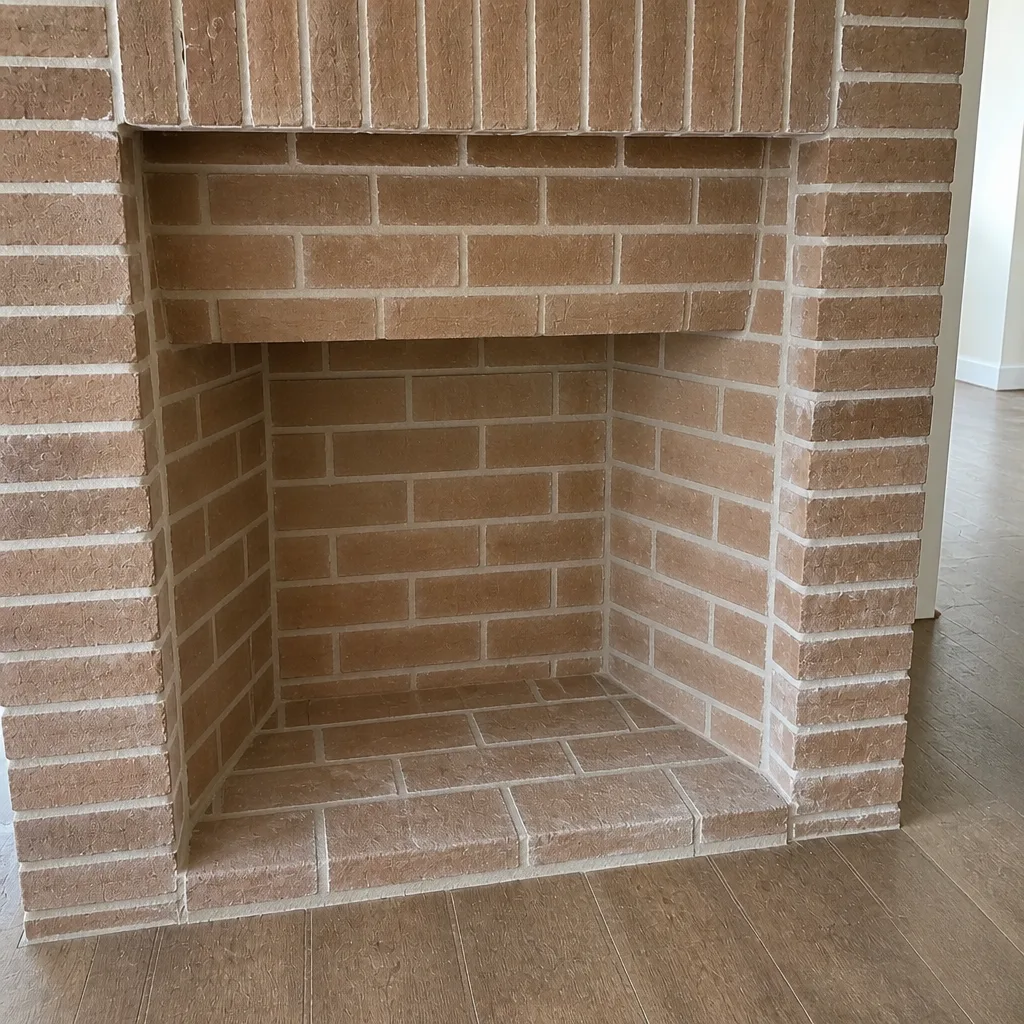 After
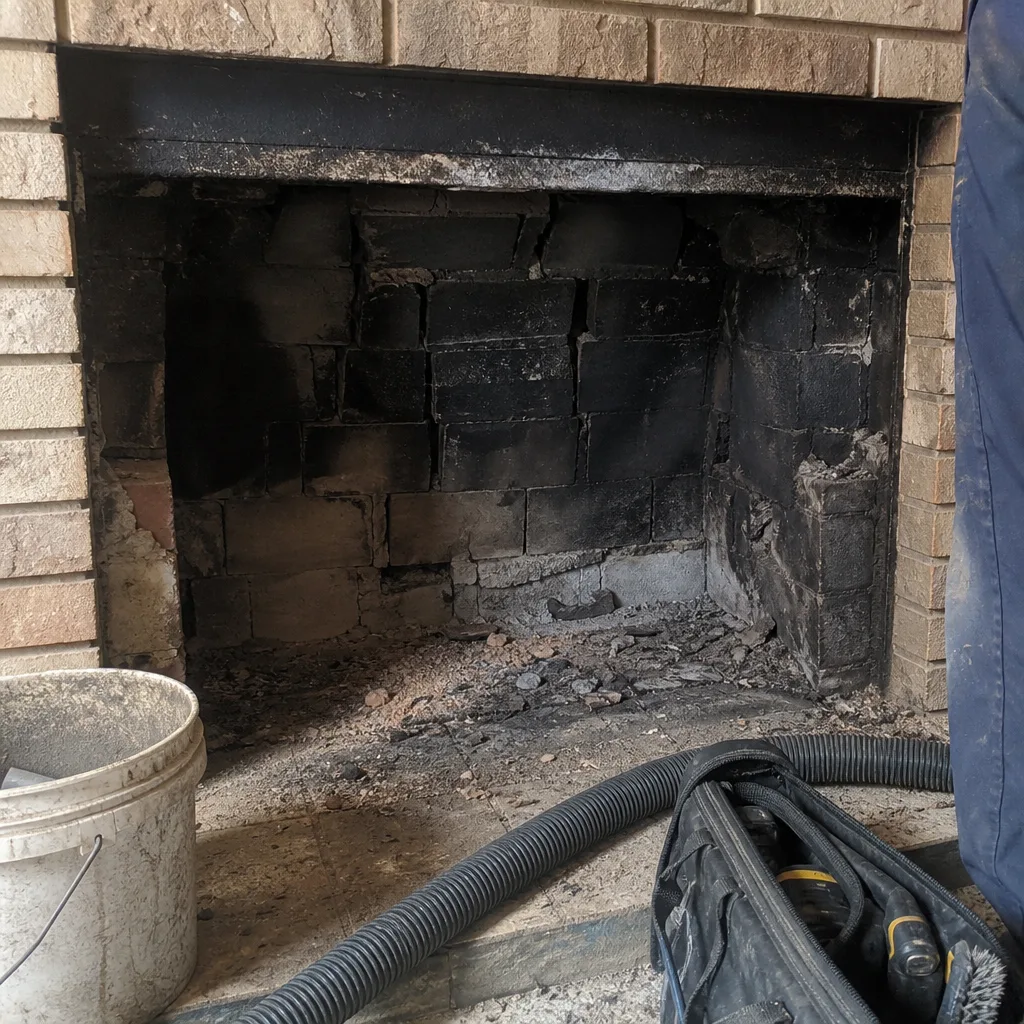 Before
 After
 Before
 After