
Last updated November 25, 2026
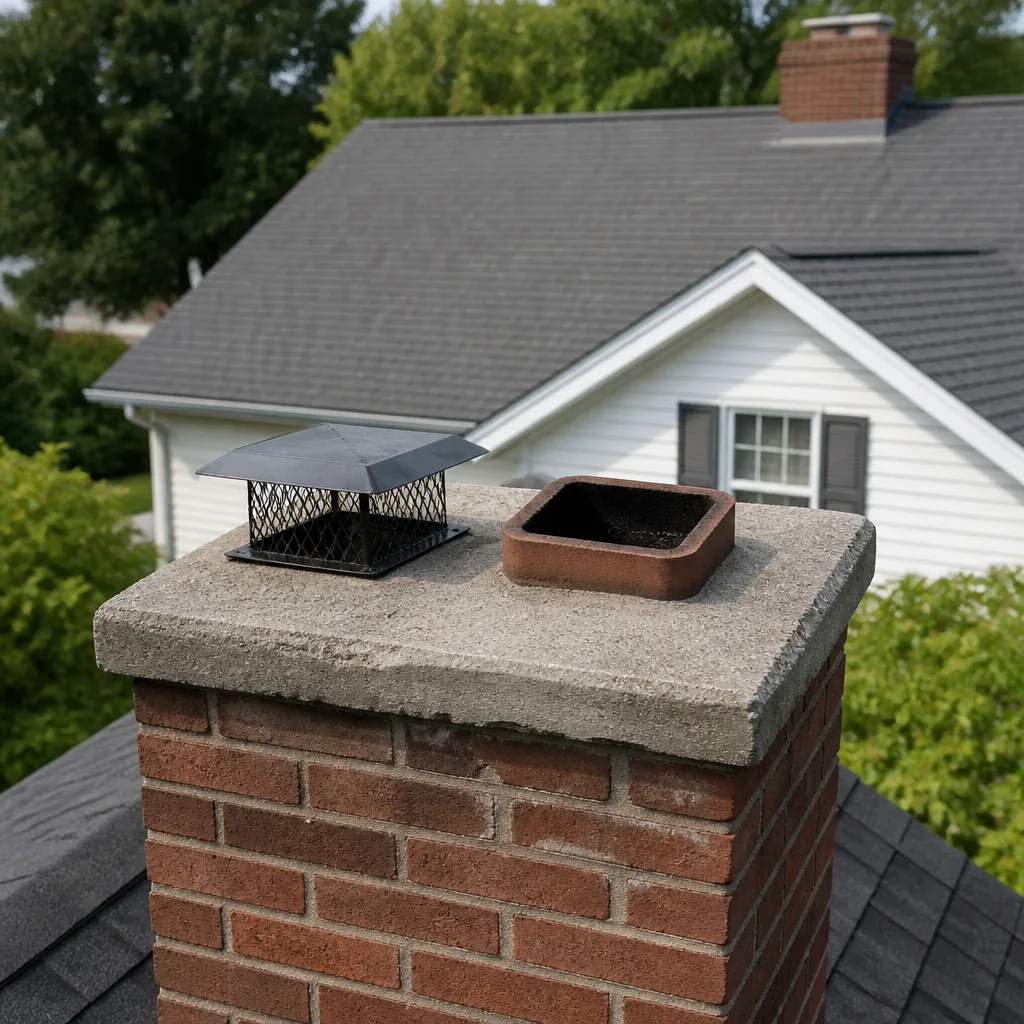 Sweep & inspection
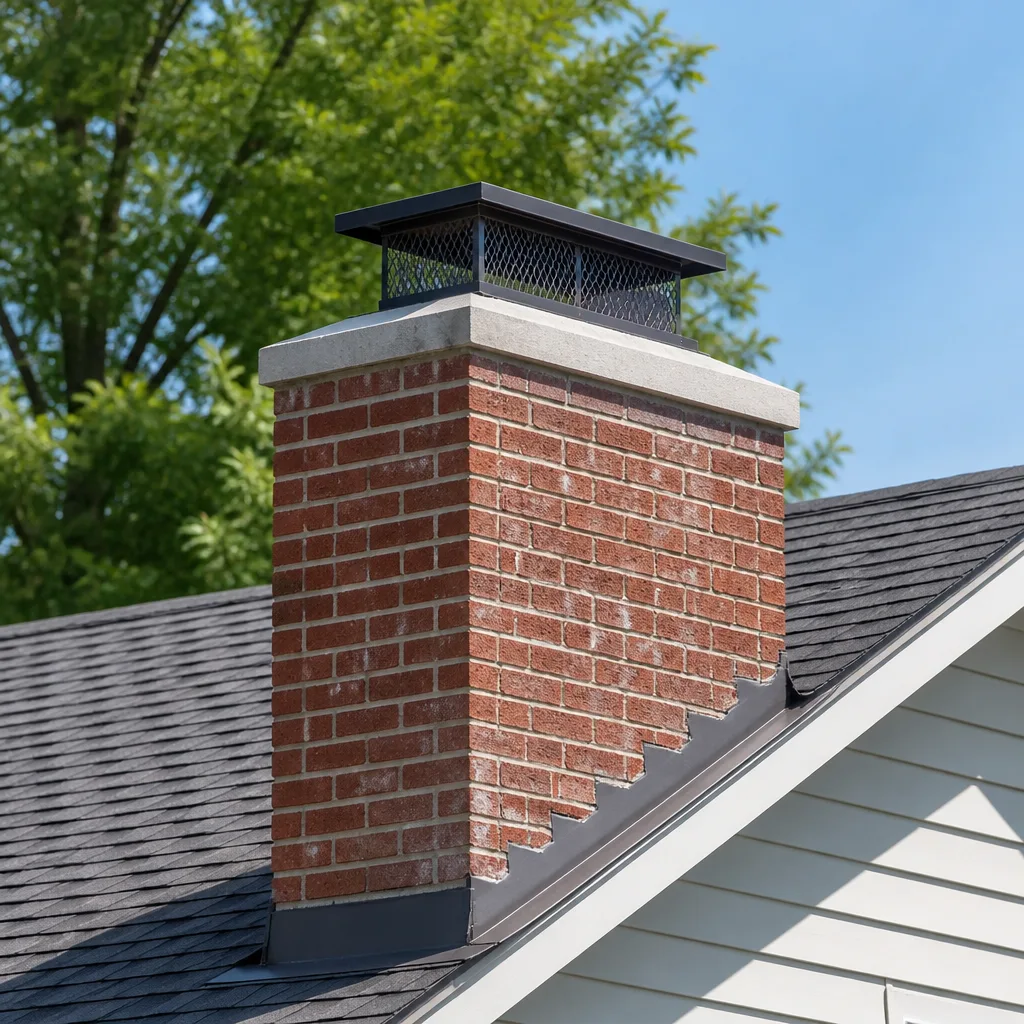 Caps & crowns
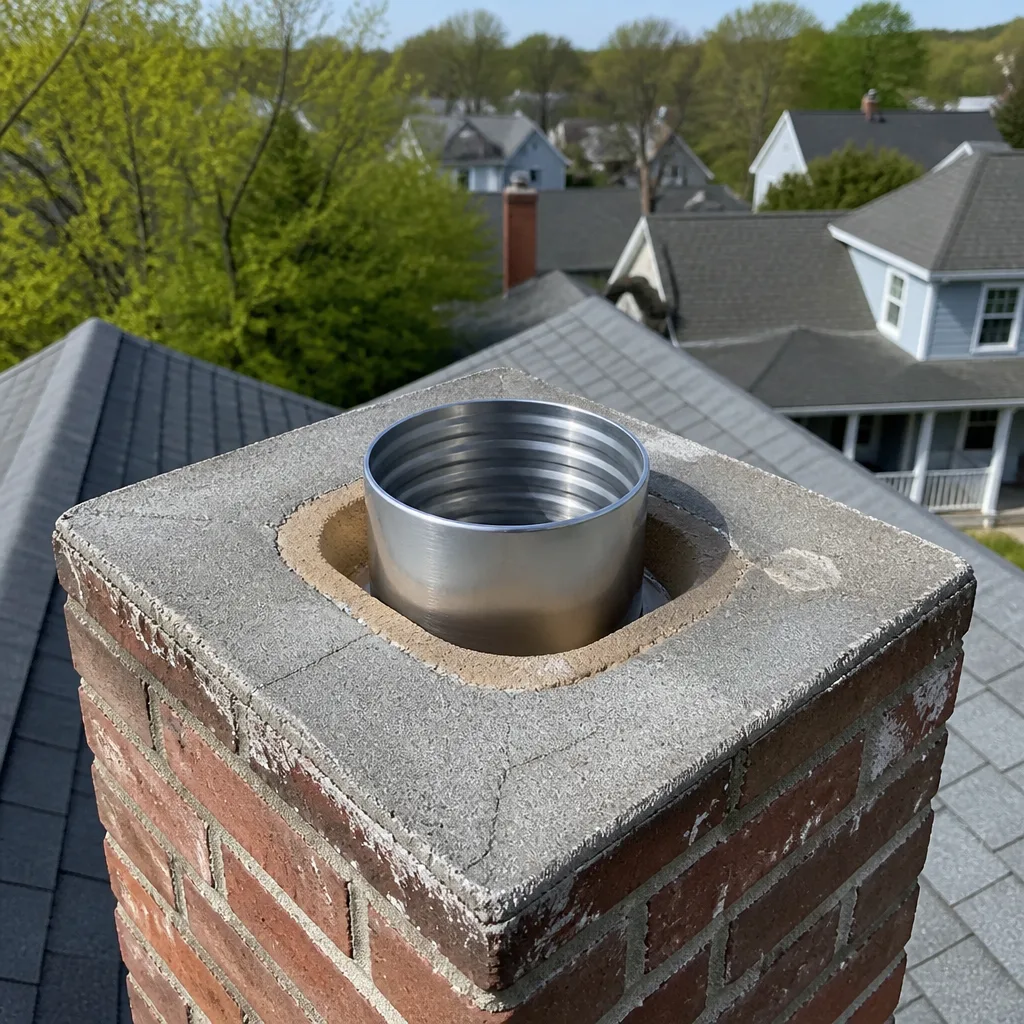 Flue relining
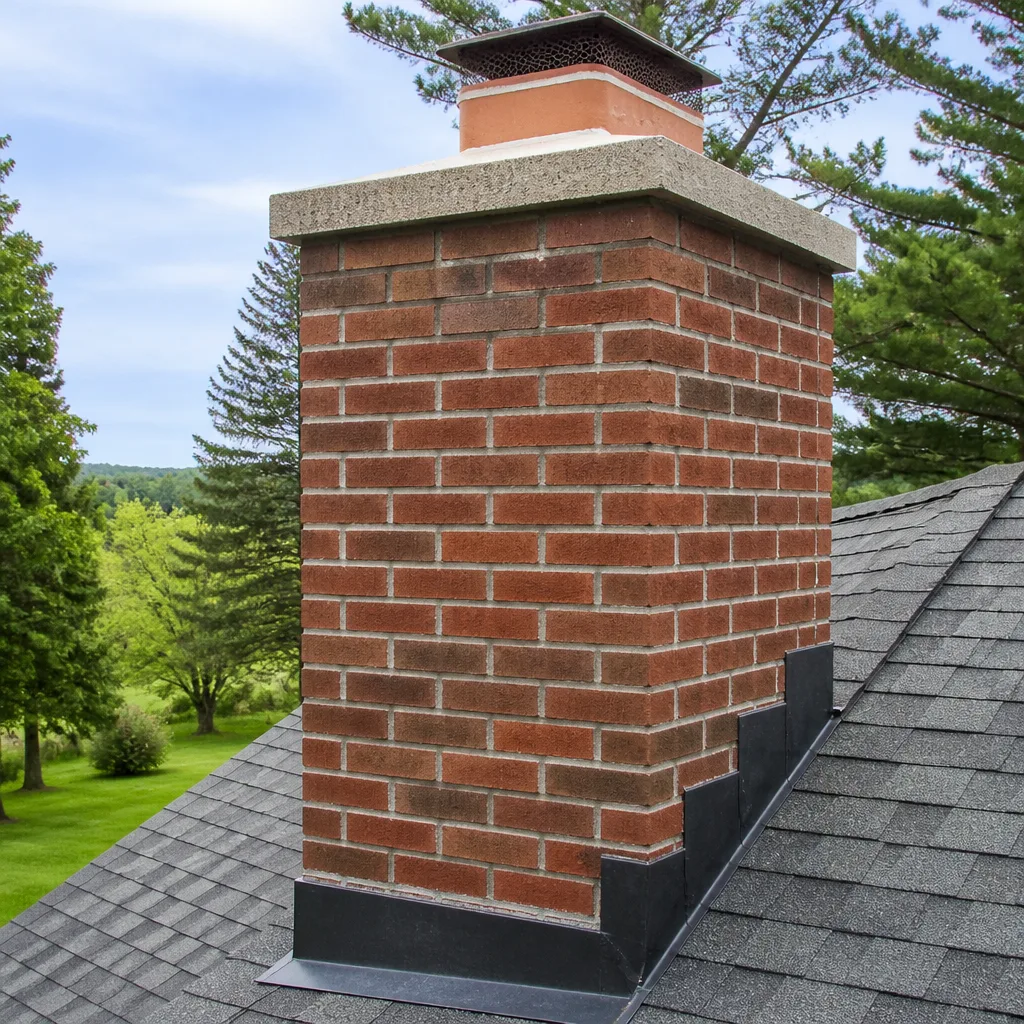 Masonry repair
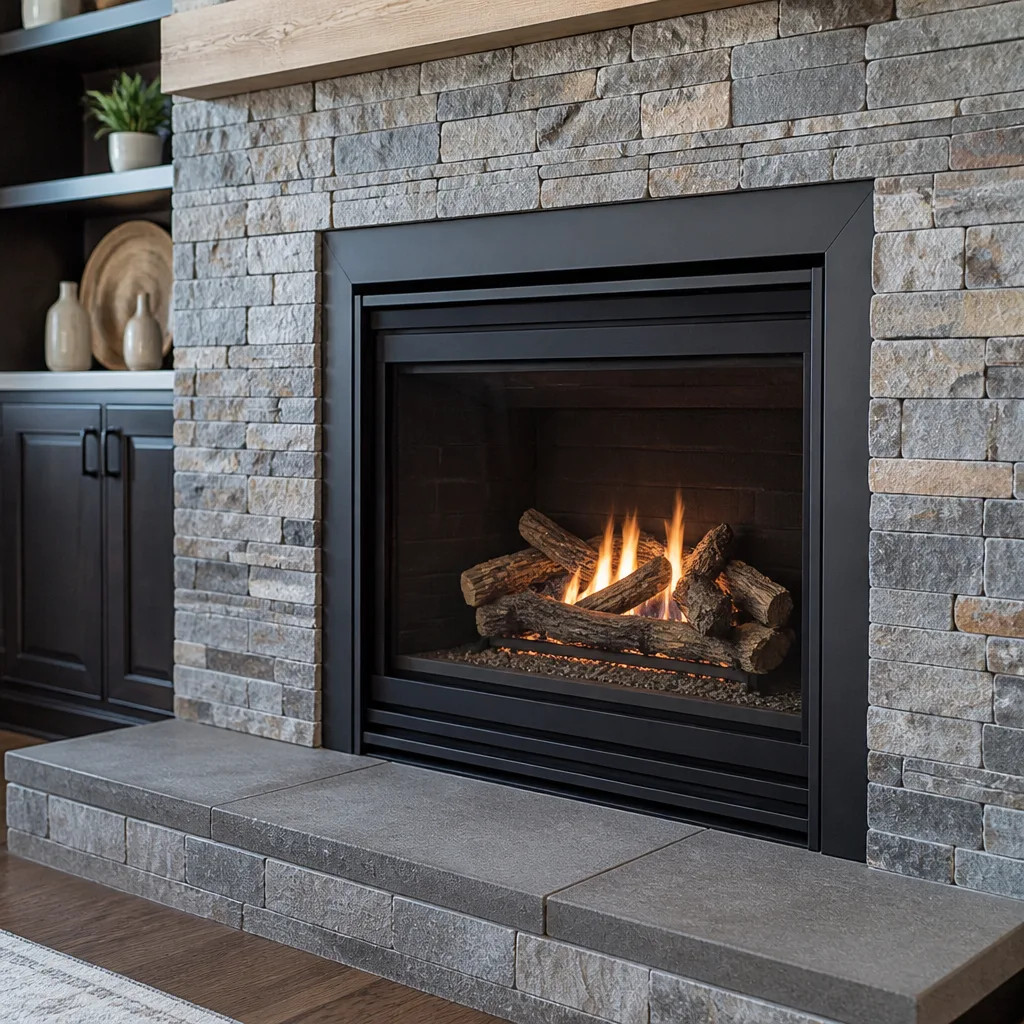 Gas fireplace service
Level 1 sweep and inspection to the NFPA 211 annual standard - flue, crown, cap, and flashing checked and photographed
Chimney sweep logs do not sweep chimneys. They loosen some creosote - which then falls where a brush and vacuum still have to collect it.
Choosing the Right Chimney Cleaning Brand: A Buyer’s Guide for West Jordan
If the person sweeping your chimney can’t name the sealer going onto your crown, that’s worth a second question. Crown sealers are not interchangeable. Some elastomeric products move with masonry through repeated freeze-thaw cycles; hardware-store masonry paint cracks within a season or two and lets water back in. Utah’s swings between hard overnight freezes and mild afternoons punish the cheap choice. This guide is about the product side of chimney work in West Jordan: which categories matter, how to verify brand claims without a chemistry degree, and how to read a materials line in a written quote so you know exactly what is going into your flue before anyone starts the job.
Quick Answer
The right “brand” for chimney cleaning in West Jordan is not a single product. It’s a contractor who can name the specific professional-grade materials in every category they touch: the creosote treatment, the crown sealer, the liner system, and the cap and stainless grade. Ask for the product data sheet before you book. If the answer is vague, the materials probably are too. West Jordan Chimney Sweep works with named professional lines like HeatShield, Gelco, Olympia Chimney, Famco, and Copperfield, and we can tell you exactly what’s going on your chimney.
Styles & brands we work with
- Sweep & inspection
- Caps & crowns
- Flue relining
- Masonry repair
- Gas fireplace service
Table of Contents
- Why chimney materials matter more in West Jordan than most homeowners expect
- Creosote removers: Rutland-grade treatments versus generic powders
- Crown sealers: elastomeric products versus masonry paint
- Liner systems: HeatShield restoration versus poured-in-place alternatives
- How to verify a brand claim before you sign
- Why stainless steel grade (304 vs. 316) matters in Utah
- Chimney cap brands and how cap geometry handles West Jordan wind
- How to read a materials line in a written quote
Why chimney materials matter more in West Jordan than most homeowners expect
West Jordan sits in the Salt Lake Valley, where late-winter afternoons can thaw a south-facing chimney crown and the same crown is frozen solid by midnight. That daily cycle happens dozens of times each season. What it means practically is that every product applied to the outside of a chimney here is being tested by movement and moisture, not just weather. A crown sealer that stays flexible through those cycles protects the masonry underneath. A brittle coating that cracks leaves a path for water to enter the crown, freeze, and spall the concrete apart.
Inside the flue, the same principle applies to creosote and liner products. A wood-burning insert that runs hot and clean builds light, flaky creosote that sweeps out easily. A fireplace run with damp wood or a choked-down damper builds glazed, tar-like creosote that resists mechanical sweeping and often calls for a chemical treatment before the brush ever touches the flue. Using the wrong product on the wrong creosote type wastes money and can drive the deposits deeper into the masonry.
The material choices also connect to the services we offer. A chimney sweep that ends with the right treatment and a documented flue condition is a different service than a quick brush-and-vacuum. That’s part of why we work with professional product lines rather than whatever is on the shelf. We work on the whole system, not just what’s visible from the living room, and the materials have to reflect that.
Homeowners in West Jordan who use their fireplace regularly should treat every product decision as a long-term maintenance choice, not a one-time purchase. A crown sealer applied now either buys another eight to ten years of protection or needs redoing inside three.
Creosote removers: Rutland-grade treatments versus generic powders
Creosote comes in three forms, and they don’t respond to the same treatment. Stage 1 is light, dusty, and brushes away. Stage 2 is flaky and crusty, workable with a rotary brush. Stage 3 is glazed and tar-like, and it’s the dangerous one: it ignites at lower temperatures and can fuel a chimney fire. Generic powders sold at hardware stores do almost nothing to Stage 3 glazed creosote. A professional-grade chemical treatment chemically alters the deposits so they can be brushed out on a follow-up visit.
Rutland is the name most professionals reach for, and the reason is the chemistry. Its creosote-removal products are formulated to soften the glazed stage by modifying the deposit’s structure rather than masking it. Generic powders often leave a residue that coats the flue wall and can interfere with the next sweep. The difference is not marketing; it’s how the product reacts in the flue over time.
What to ask your contractor:
- Which creosote product do you use, and does it treat Stage 3 glazed creosote or only Stage 1 and 2?
- Is the treatment a one-time application or a staged process over multiple visits?
- Will you re-inspect after the treatment to confirm the deposit is gone, or do you consider the job done after the first sweep?
- Can you show me the product data sheet for the treatment?
In West Jordan, where many homes have inserts or freestanding wood stoves that run a lot in January and February, glazed creosote is not rare. It’s the reason we recommend a camera inspection on any chimney that has never had one, especially in homes that have been heated that way for years before the current owner moved in.
Crown sealers: elastomeric products versus masonry paint
The chimney crown is the concrete cap at the very top. It takes more direct weather than any other part of the chimney, and it is the single most overlooked source of water damage on West Jordan roofs. A proper crown sealer is elastomeric: it flexes with the concrete through freeze-thaw cycles without cracking. Chimney RX is the professional-grade standard in this category, and its formulation is designed specifically for chimney crowns rather than general masonry.
Masonry paint is the common shortcut. It looks fine on the day it’s applied. But paint is not designed to move, and concrete in Utah moves. Pinhole cracks appear within a season or two, water enters, freezes, and the crown starts spalling and losing mass. Repeated repainting hides the problem while the damage below it gets worse.
What to check on your crown:
- Look for visible cracks wider than a hairline.
- Check whether the crown slopes away from the flue on all sides or sits flat or dips in the middle.
- Look for spalling: small flakes or chunks of concrete missing from the surface.
- Ask what product was last applied and when. If the answer is “paint” and it’s been three years, that coating is already suspect.
- Ask whether a proper crown sealer is available as a separate line item before the crown is fully rebuilt.
Crown work ties directly into our chimney repair scope. When the crown is sound, sealing extends its life. When it has failed structurally, no sealer in the world saves it and the crown gets rebuilt with materials designed for the job. Famco and Gelco crown systems are what we install when the concrete is past saving.
Liner systems: HeatShield restoration versus poured-in-place alternatives
A cracked or deteriorated flue liner is the most common reason a homeowner gets quoted for a full tear-out. Before that quote becomes final, ask whether the liner has been evaluated for restoration rather than replacement. HeatShield is a ceramic liner-restoration system that resurfaces the existing flue from the inside, filling cracks and rebuilding a continuous, smooth surface. It’s appropriate for certain conditions and inappropriate for others, and only a proper Level 2 inspection with a camera can tell you which category your chimney is in.
The reason this matters in West Jordan is straightforward: many homes were built with clay tile liners that served their original appliance well but no longer match the current one. An insert sized for a modern wood-burning unit or converted gas appliance can stress the original liner. Rebuilding the liner with an approved lining system is sometimes the right call. HeatShield restoration extends the life of a compromised flue without a full liner tear-out in the cases where the structure is still sound and the issue is the surface.
Where a full liner is the correct answer, stainless systems from Olympia Chimney and DuraFlex are what we install. The difference between these and poured-in-place alternatives comes down to what’s being addressed. Poured systems create a new rigid flue inside the old one; stainless liners are a manufactured and inspected product you can verify. If your contractor pushes for a full replacement without showing you the camera footage and explaining why restoration won’t work, that is a question worth asking out loud.
Some contractors push the most expensive option because that’s the only option they can do. A specialist who offers both restoration and full replacement has no reason to steer you toward the larger job if a smaller one is safe.
How to verify a brand claim before you sign
Any contractor can say “professional-grade materials.” The way to test that claim is to ask for a product data sheet. Every legitimate professional product has one from the manufacturer, and a contractor who actually stocks that brand has the sheet on file or can pull it up. A contractor using whatever’s on the truck usually can’t.
A short verification sequence:
- Ask which specific product SKU will be applied to the crown, the liner, and the cap. A brand name alone is not enough; the SKU confirms the specific product line.
- Ask for the product data sheet for each. If the answer is “we’ll get it to you,” note how long it takes.
- Look up the SKU against the manufacturer’s published product line. Professional products are usually not sold at big-box retail, so if it doesn’t appear in a plumbing and chimney supply catalog, ask why.
- Confirm that the products being named are also the products actually installed. Some quotes list one brand and the crew shows up with another. Ask for the brand on the packaging when the work is done.
This is also where the “which brand makes what” question gets useful. A contractor who names their brands clearly tends to use each for the category it’s actually built for. Gelco and Famco make caps and crowns. Olympia Chimney and DuraFlex make stainless liner systems. HeatShield is the restoration system. Copperfield makes professional liner and cap products recognized by the trade. A quote that names these brands in the correct categories has been written by someone who knows what they’re doing.
If a contractor can’t tell you which brand goes where, that’s the answer to your question.
Why stainless steel grade (304 vs. 316) matters in Utah
“Stainless steel” is not one material. The two grades that come up most in chimney work are 304 and 316. The practical difference is resistance to high-sulfur exhaust and corrosive conditions. 304 stainless handles standard wood-burning and gas appliance exhaust fine. 316 stainless is the higher-corrosion-resistance grade, and it’s the right choice when the appliance burns coal or wood with unusually high sulfur content, or when the chimney environment is chemically aggressive.
In West Jordan, most residential wood-burning installations are well served by 304. The reason 316 comes up is that some appliances and some fuel choices produce a mildly more acidic condensate, and stainless liners and caps get attacked over time when the chemistry is wrong. A liner rated for 304 installed in a situation that wants 316 will pit and fail early. A contractor specifying “stainless” without grade is leaving out the single most important word in that sentence.
What to ask about any stainless product:
- Is this 304 or 316 stainless?
- What wall thickness, and what does the manufacturer rate it for?
- What appliance am I connecting to it, and does the manufacturer approve that pairing?
- What warranty does the liner manufacturer offer, and does it exclude certain fuel types?
Olympia Chimney publishes its stainless grades and capacities openly, which is one of the reasons we specify their liner systems. The information is verifiable, and verifiable is the point.
Chimney cap brands and how cap geometry handles West Jordan wind
A chimney cap does three jobs: it keeps rain and animals out, it sparks-and-ember-arrests, and in exposed locations it can affect draft. The gap between a commercial-grade cap and an imported generic often comes down to construction. Gelco and Famco caps are made from heavier-gauge stainless with welded or mechanically locked seams and properly sized mesh. Generic caps use thin sheet that deforms in one winter storm, with mesh that tears off and lets birds and squirrels back in.
Cap geometry matters too. West Jordan sits where the valley opens toward the Oquirrh foothills and afternoon winds funnel through certain neighborhoods more than others. A cap with a large flat top and inadequate side clearance can create a slight downdraft effect on a marginal chimney. A cap designed with proper proportions and a well-supported top doesn’t. This is the kind of thing a specialist notices because they’re looking at chimney performance all day; a general handyman sizing the nearest cap at the hardware store won’t.
What separates a proper commercial cap from a generic one:
- Heavy-gauge stainless, with the grade stated on the product, not just “stainless.”
- Welded or folded seams rather than rivets into thin metal.
- Properly sized mesh that stays attached under wind load.
- A mounting system that seals to the flue rather than wedging onto it.
- A manufacturer warranty that actually applies.
Cap and crown work is what protects everything else you’ve spent money on. A clean chimney is the starting point; a structurally sound one is the goal, and the cap is what keeps it sound.
How to read a materials line in a written quote
A written quote from a chimney specialist should read like a parts list, not like a sales pitch. “Professional-grade materials included” is not a materials line, it’s a placeholder. When you’re comparing quotes, the materials line is where the real differences live.
A materials line worth signing should include:
- The brand of every product being applied, in each category.
- The specific product or SKU where more than one exists in that brand’s line.
- The stainless grade if any stainless is being installed.
- The dimensions of any cap, liner, or crown being built or replaced.
- What warranty the product manufacturer provides, separate from anything the contractor says about their own work.
- The unit price of major materials, or at minimum the total per line item.
Why it matters: if a chimney load bearing cap is quoted at $400 and installed at $400, the material choice is invisible in the final number. But if you’re buying a liner, the difference between an entry-level stainless product and a high-grade Olympia Chimney liner is mostly in the materials line, and you should be able to see it. If a contractor won’t put the brand name on paper, that’s a negotiating point before signing.
For the broader written estimate itself, the estimate is free and the price is set per job by the written estimate. The quote you sign is the quote you pay. Getting the materials disclosed on the front end prevents a conversation about upcharges later.
If you want a second set of eyes on a quote you’ve already received, bring it in. We’ll tell you what we see in the materials line without pressure to book the work.
Common Mistakes to Avoid
- Accepting “professional-grade materials” as a line item. Every legitimate contractor can name their brands. If yours can’t, ask again before you sign. In West Jordan, where freeze-thaw cycles stress every exterior product, a vague materials line is a red flag, not a friendly agreement.
- Letting a contractor coat a crown with masonry paint. Paint is not a crown sealer. It hides the crack that’s letting water in. Ask for the elastomeric product name and the data sheet before anyone puts a brush on the crown.
- Skipping the camera inspection before accepting a full-liner quote. A restored liner is often available when the underlying structure is intact. Never accept a full tear-out without seeing the footage yourself.
- Settling for “stainless” without a grade. Ask 304 or 316. A contractor specifying stainless without a grade is either checking or telling you it’s whatever was cheapest.
- Buying a generic chimney cap because it’s on sale. A cap that rips off in the first winter wind takes the crown protection down with it. Heavy-gauge Gelco or Famco caps cost more upfront and last longer than two generics in a row.
- Forgetting the crown is a repair, not a repaint. If the crown has lost mass and cracked all the way through, it needs rebuilding with a proper crown system. Sealing over a failed crown extends the failure another season.
- Booking the cheapest sweep and assuming everything’s fine. The sweep is the starting point. The reason to work with a specialist is that the same visit catches the liner crack, the failed crown, and the wrong cap before they become a bigger job.
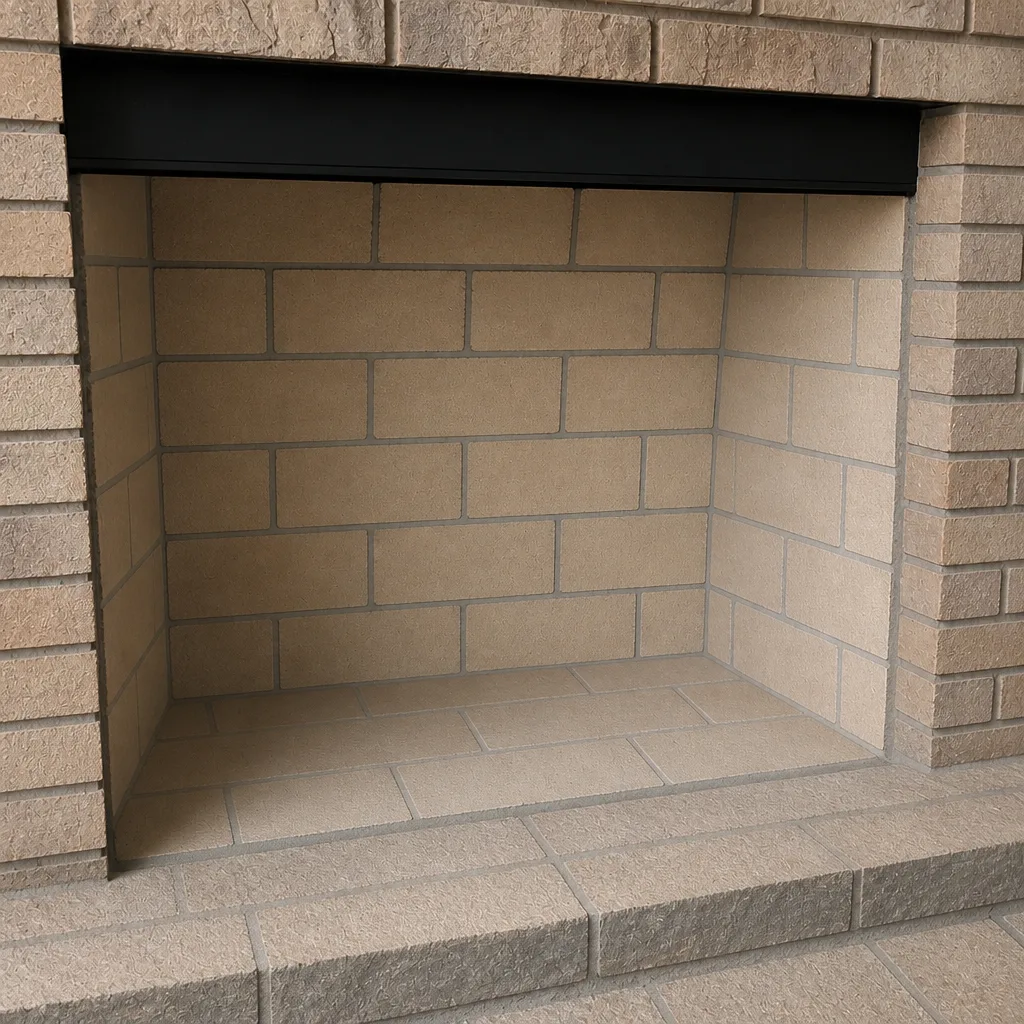
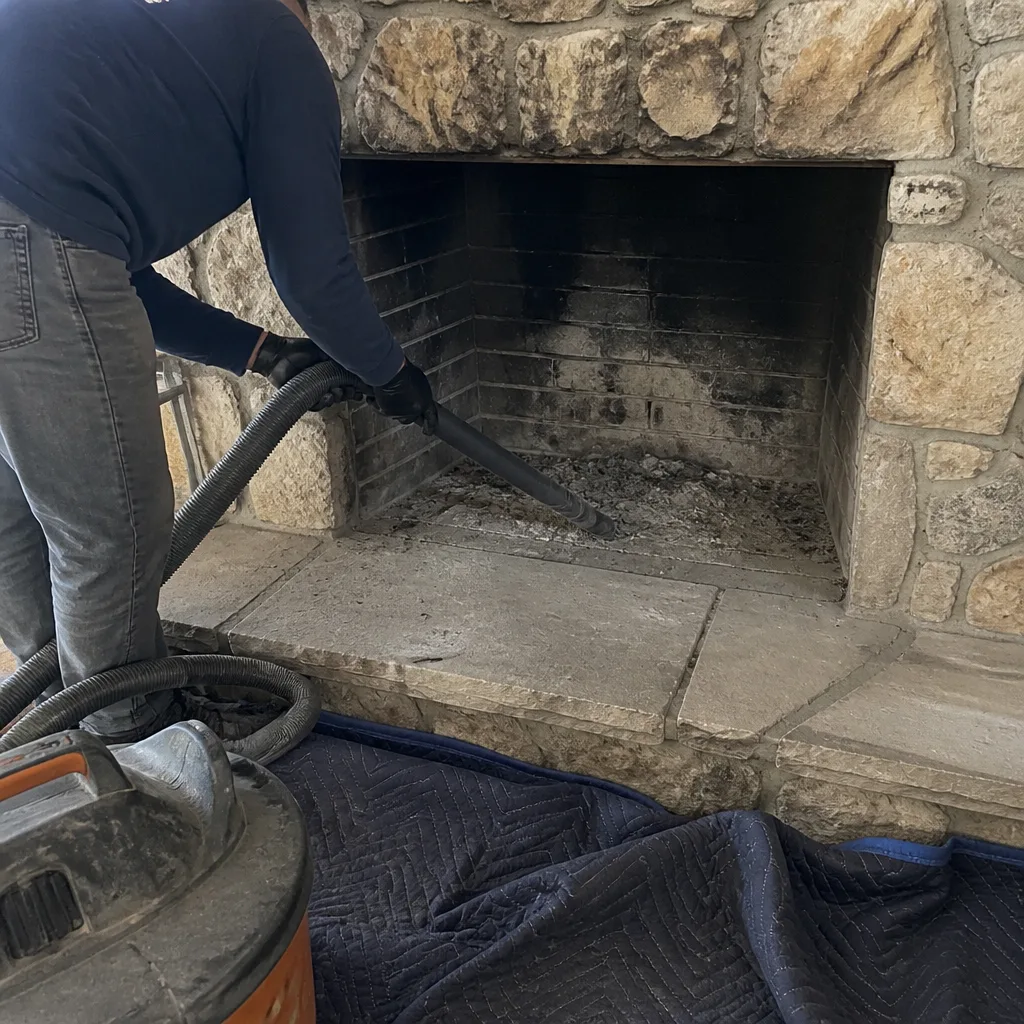
See the difference
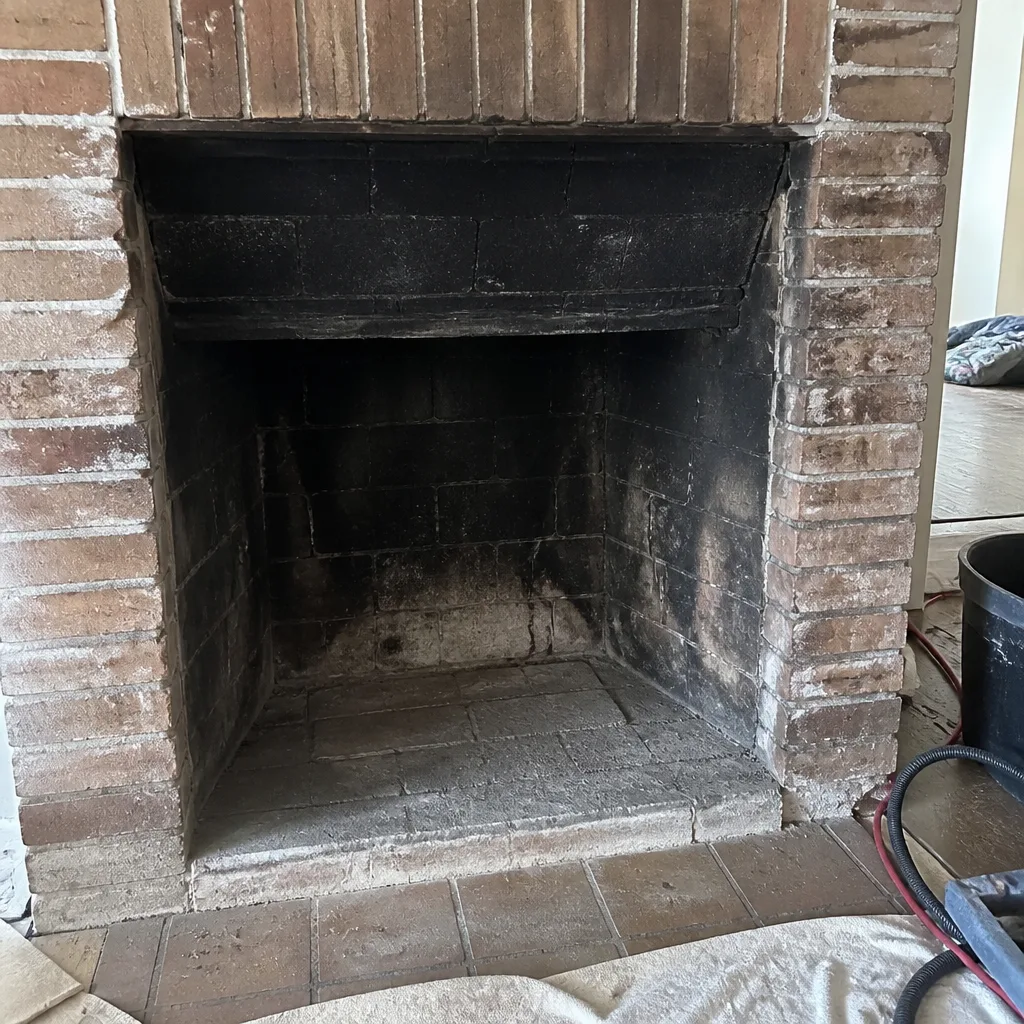 Before
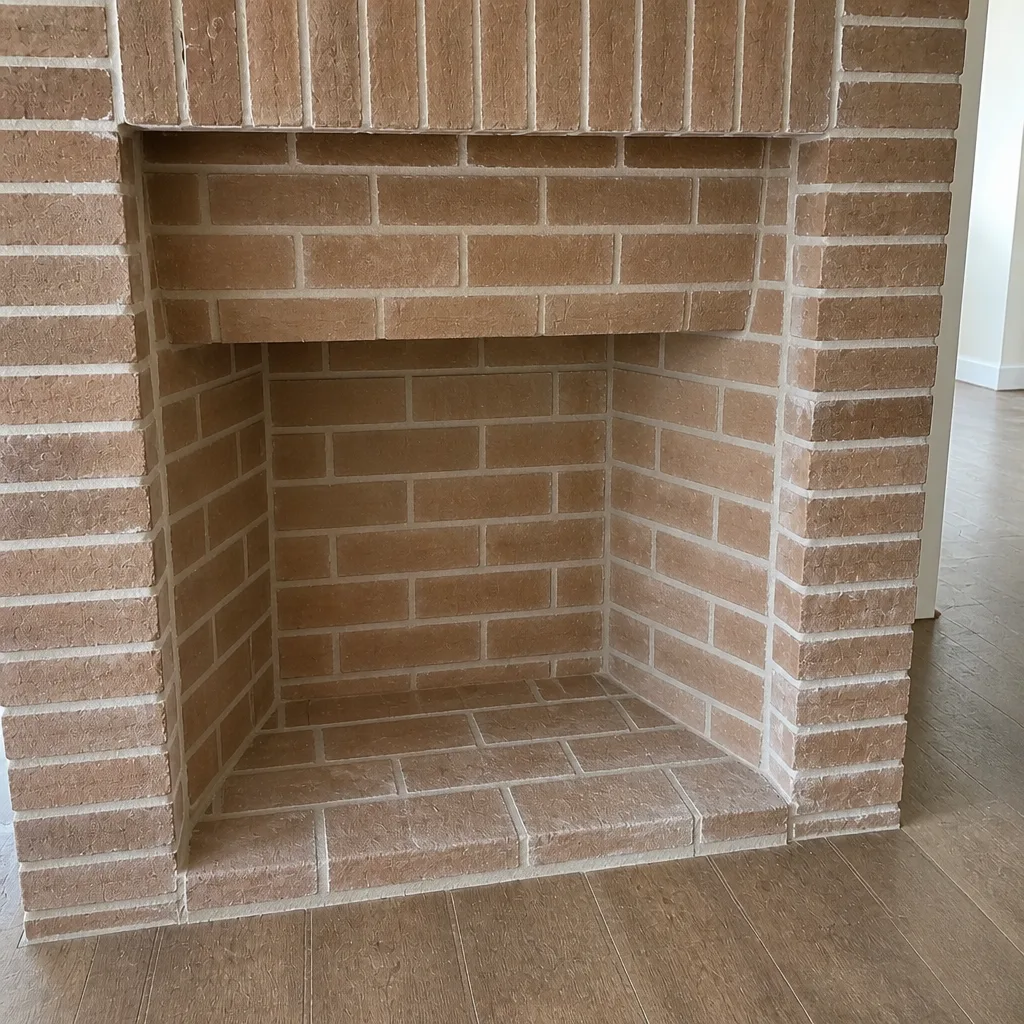 After
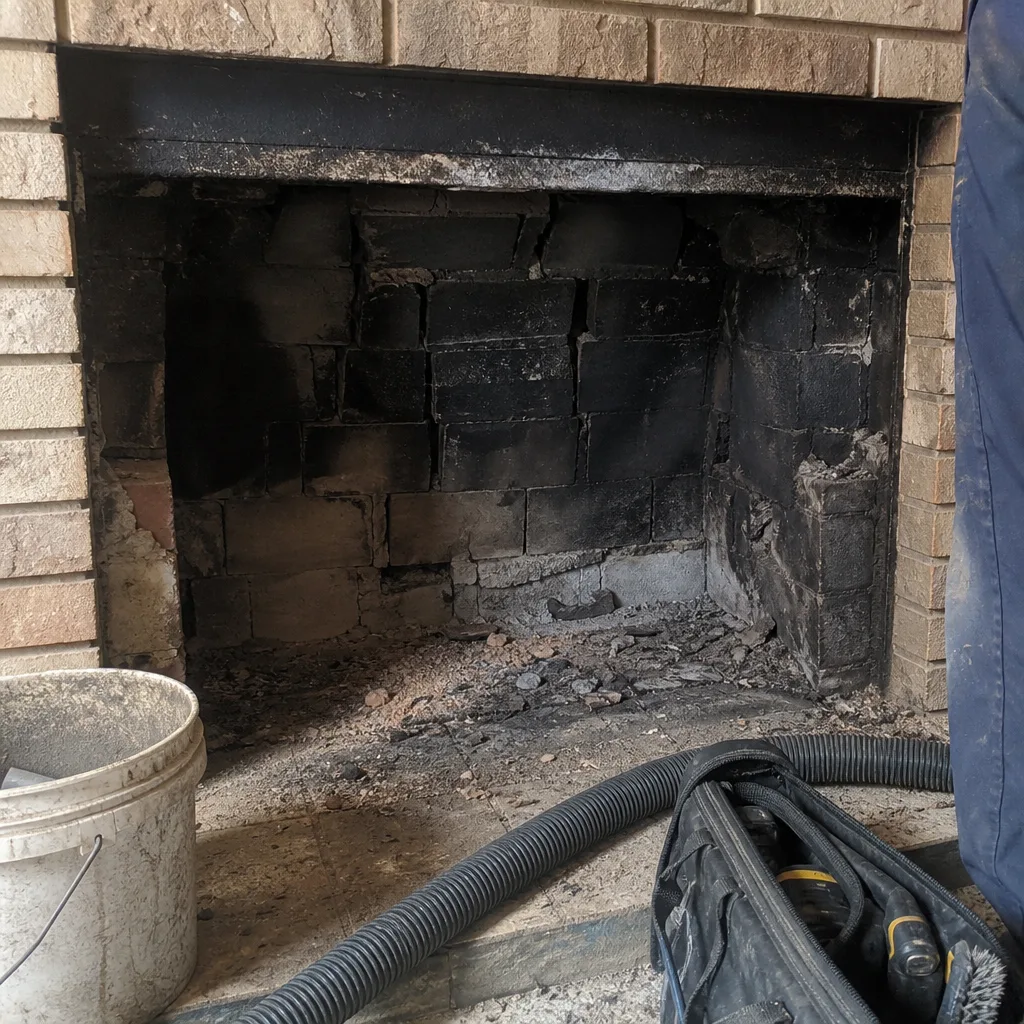 Before
 After
 Before
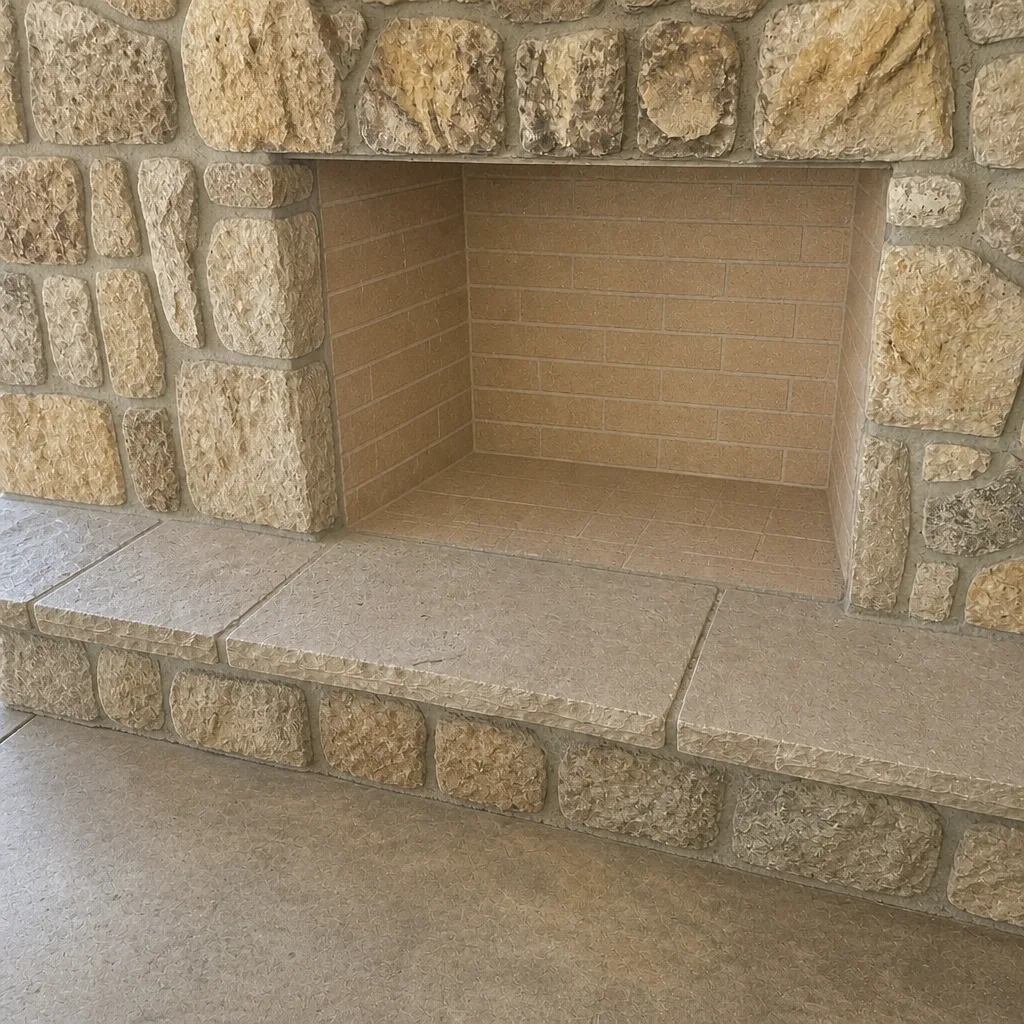 After
When to Call a Professional
Bring in a specialist when the job stops being routine. That means the chimney hasn’t been swept in two or more burning seasons, the fireplace or insert has never been camera-inspected, you’re preparing to sell or buy a West Jordan home and need documented inspection, or the crown and cap are visibly damaged. It also means any time a quote has been pushed at you without product specifics on the page: a second opinion from a specialist who works on the whole system is worth the phone call before a bigger job starts.
West Jordan Chimney Sweep offers free estimates in West Jordan. Our technicians have up to 13 years of experience, and we can walk you through the materials we’d use in each category before the job is booked. Call (866) 947-9321. We answer 24/7. Fast dispatch from 7am to 7pm, Sunday through Friday. If you’d rather start by looking at how we approach fireplace repair, that gives you a sense of the shop before you pick up the phone.
Frequently Asked Questions
HeatShield for ceramic flue-liner restoration, Gelco or Famco for caps and crowns, and Olympia Chimney or Copperfield for stainless liner systems are the professional lines we work with. Rutland is a standard for creosote treatments and Chimney RX for crown sealers. When a contractor names these brands correctly by category, that’s a good sign they work with professional suppliers rather than retail parts.
Ask for the product data sheet and the specific SKU. Every legitimate professional product has manufacturer documentation, and a contractor who actually stocks that brand has it on file. A contractor using generic or retail products usually can’t produce either without delay. It’s a fair question to ask before booking, and no specialist should bristle at it. Call (866) 947-9321 if you’d like a second opinion on a quote you’ve received.
HeatShield restoration is appropriate when the underlying structure of the flue is sound and the issue is a cracked or deteriorated surface. In those cases, restoration extends the life of the flue for a fraction of the cost of a full tear-out. It is not appropriate when the flue has structural problems or clearance issues; those need a full liner system. Only a Level 2 inspection with a camera can tell which category your chimney is in, and you should see the footage before deciding.
304 stainless is standard for wood-burning appliances. 316 stainless is higher-corrosion-resistance and is the right choice when the appliance burns coal or wood with unusually high sulfur content, or when the exhaust is chemically aggressive. A contractor specifying “stainless” without a grade is leaving out the specific fact that matters most for how long your cap and liner will last. Ask the grade in writing.
Sealing is the right answer when the concrete is still structurally sound and the issue is surface cracking. Rebuilding is the right answer when the crown has lost mass, cracked through, or no longer slopes properly away from the flue. A sealer applied over a failed crown just hides the failure for another season. A specialist can tell the difference by inspection and explain it without pressure to book the bigger job.
Yes. West Jordan Chimney Sweep offers free estimates in West Jordan and the surrounding area. The estimate is free and the price is set per job by the written estimate. Call (866) 947-9321. We answer 24/7. Fast dispatch from 7am to 7pm, Sunday through Friday. Bring any quote you’ve received and we’ll review the materials line with you.
The Bottom Line
The materials named in a chimney quote tell you almost everything you need to know about the contractor behind it. A specialist names brands by category because they know what each product is built for; a generalist uses vague language because the actual materials vary by what’s on the truck that morning. Ask for the data sheet, ask for the grade, ask for the SKU. In a valley where a chimney crown runs through dozens of freeze-thaw cycles each winter and afternoon winds test every cap on every roof in West Jordan, a proper product choice is not a luxury. It’s what makes the whole system hold up. And if a larger repair has been quoted without footage, a second opinion from a specialist who handles both restoration and full replacement is worth getting.
If you want to talk through a specific quote, a pending inspection, or a chimney problem that keeps getting pushed forward another season, we’re here. Start with the main page at West Jordan Chimney Sweep or call us direct. The team at West Jordan Chimney Sweep will walk through the options without pressure.
Ready to get a real materials line for your chimney work? Call (866) 947-9321 for a free estimate. We answer 24/7. Fast dispatch from 7am to 7pm, Sunday through Friday. If you’ve been putting off a sweep or an inspection in West Jordan, book the visit and let the camera tell you what’s actually there before anyone quotes a repair.
Written by the team at West Jordan Chimney Sweep.