
Last updated November 25, 2026
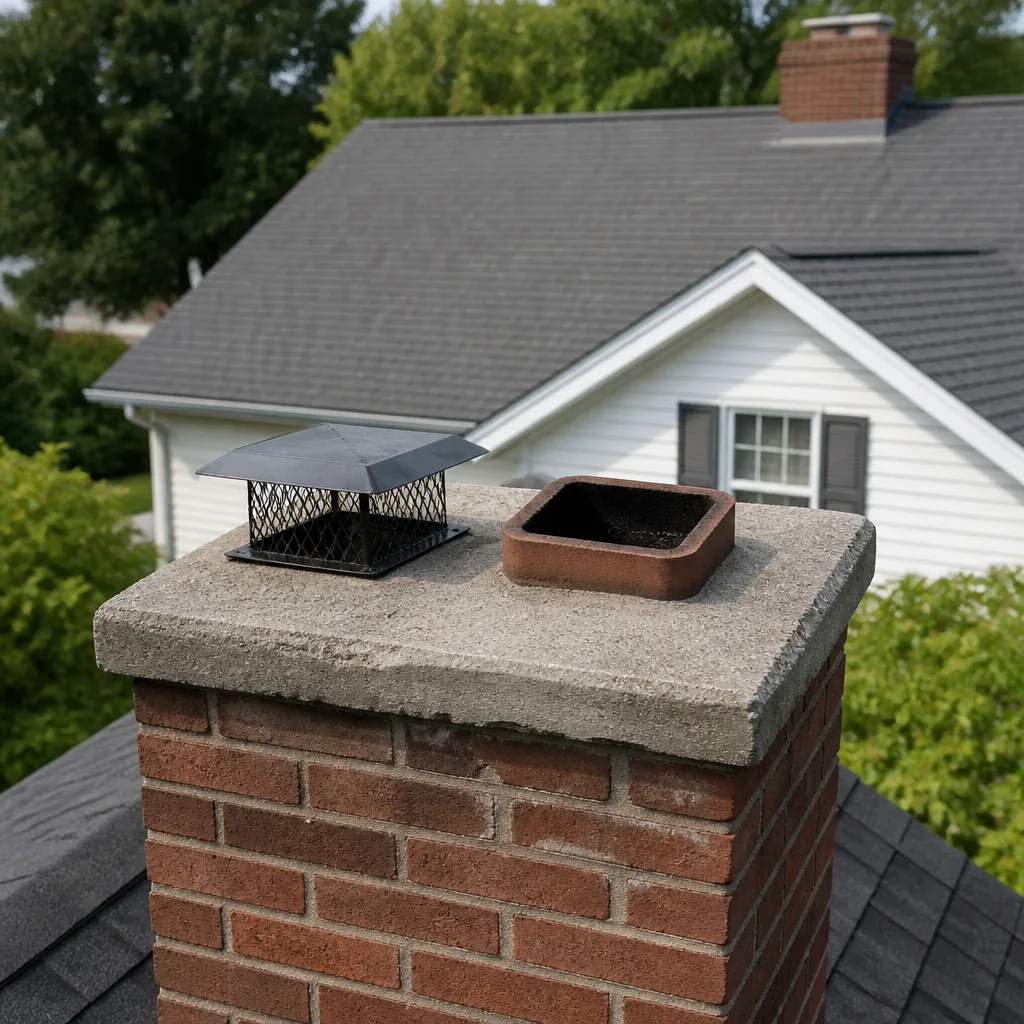 Sweep & inspection
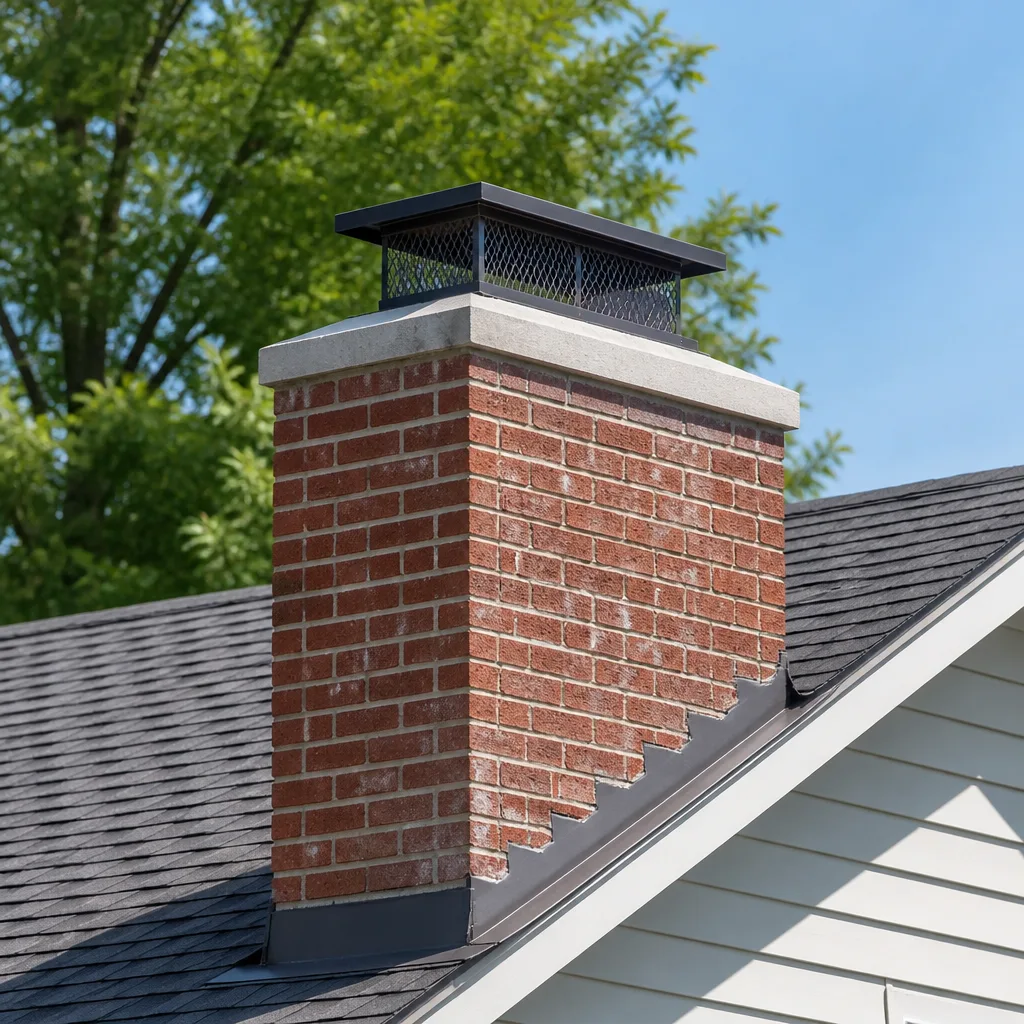 Caps & crowns
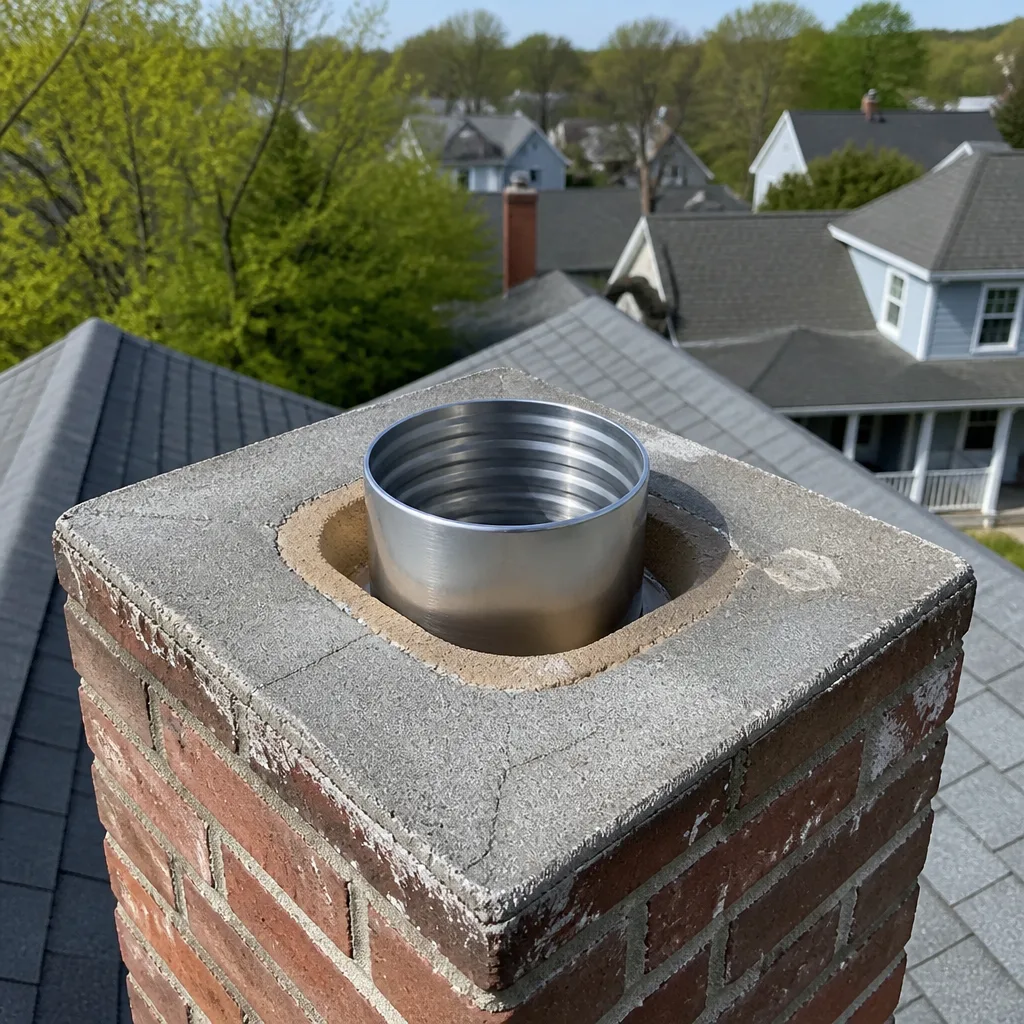 Flue relining
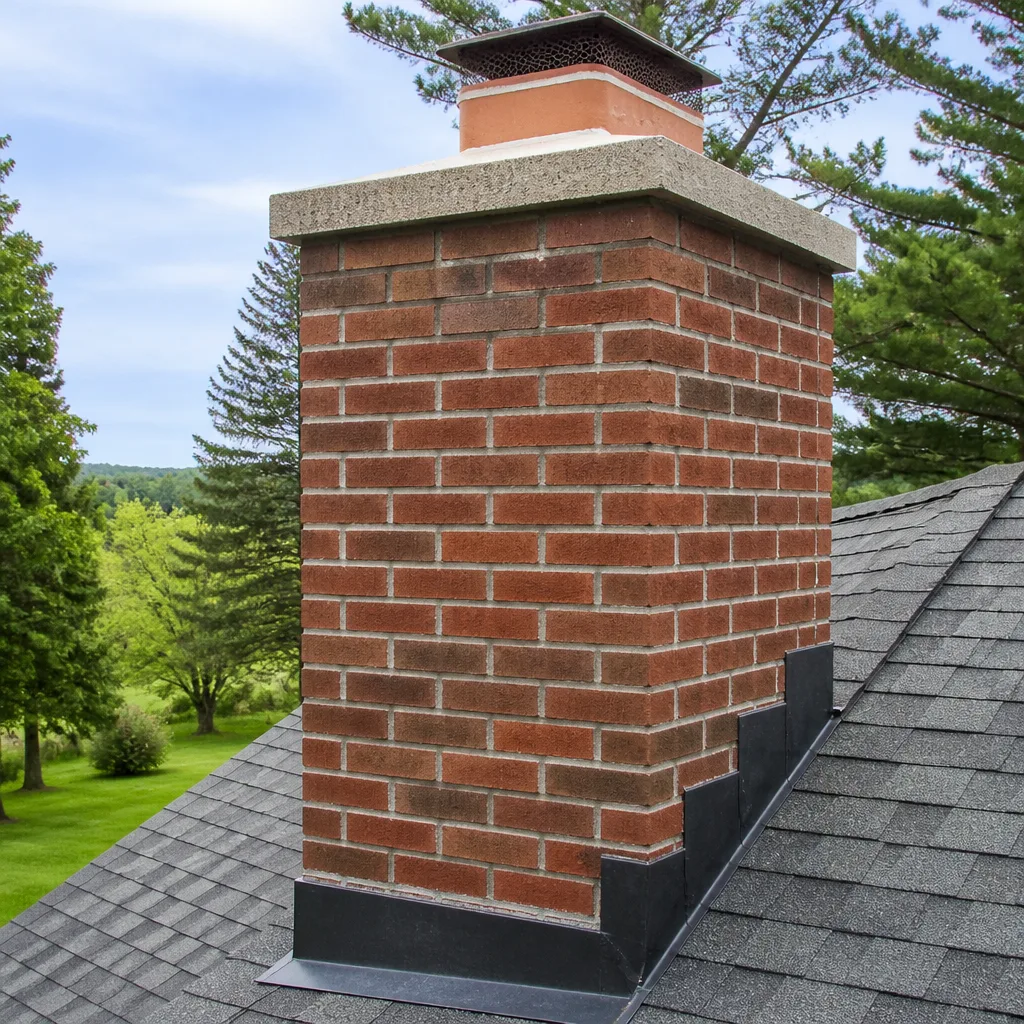 Masonry repair
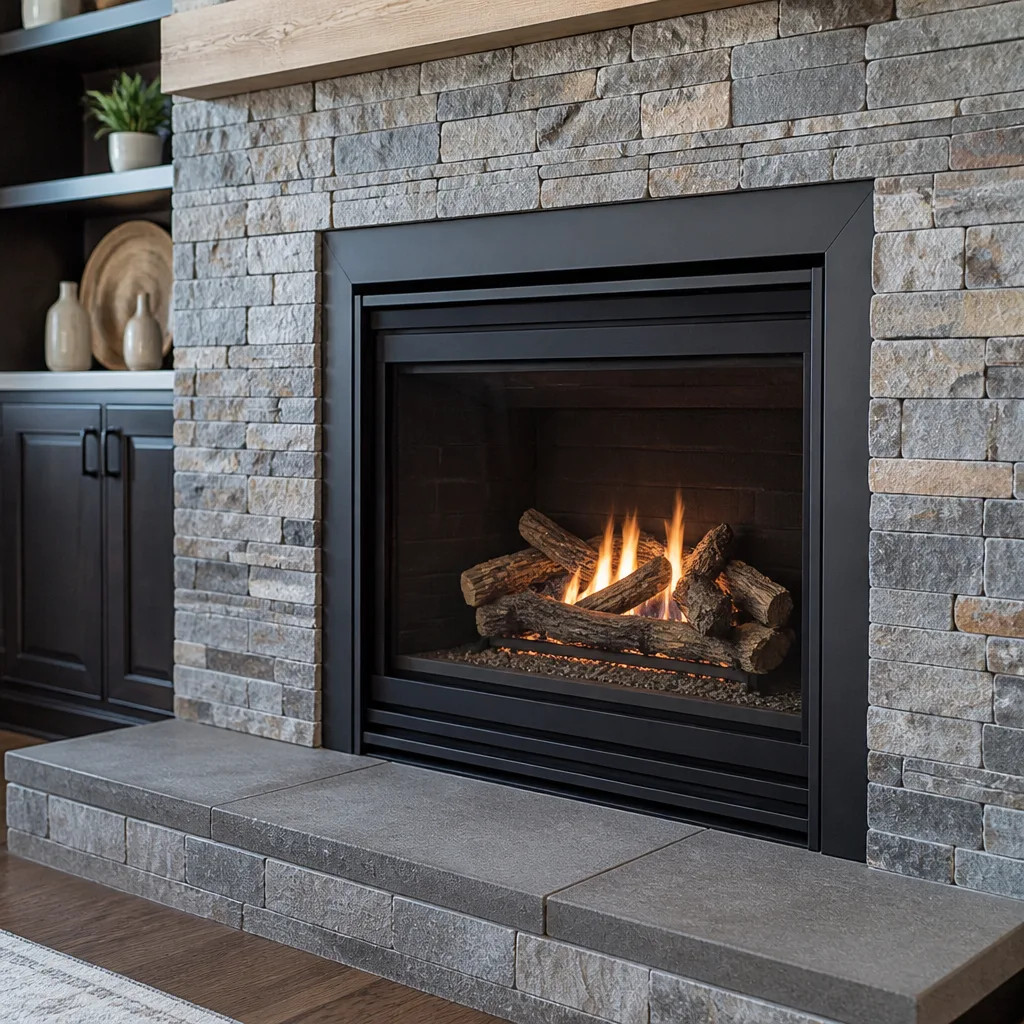 Gas fireplace service
Level 1 sweep and inspection to the NFPA 211 annual standard - flue, crown, cap, and flashing checked and photographed
Chimney sweep logs do not sweep chimneys. They loosen some creosote - which then falls where a brush and vacuum still have to collect it.
The Complete Guide to Chimney Cleaning in West Jordan
Most chimney fires don’t start because a homeowner skipped cleaning. They start because the cleaning happened and nobody looked up the flue. A cracked tile, a failed mortar joint, a gap where the liner meets the crown – any one of these turns ordinary creosote into a launch condition, and the sweep that removed the soot never caught it. That’s the gap this guide closes. We’re going to walk you through chimney cleaning in West Jordan as a full system check rather than a one-step errand: what sweeping actually does, where inspection fits, how repair triage works, and what documentation you should walk away with. By the end, you’ll know exactly what you’re buying when you book the appointment.
Quick Answer
Chimney cleaning in West Jordan is a two-part job: a mechanical sweep removes creosote and debris from the flue, firebox and smoke chamber, then an inspection confirms the flue liner, mortar joints, cap and crown are structurally sound. The sweep always comes before the inspection, because you can’t evaluate a flue surface you can’t see. A standard annual appointment is a Level 1 inspection paired with a sweep. Purchase, sale, or post-storm checks call for a Level 2 camera inspection.
Styles & brands we work with
- Sweep & inspection
- Caps & crowns
- Flue relining
- Masonry repair
- Gas fireplace service
Table of Contents
- Why Chimney Cleaning in West Jordan Isn’t a Single Service
- How West Jordan’s Elevation and Burn Cycles Affect Creosote
- Sweep First, Inspect Second: Why the Order Matters
- The Three CSIA Inspection Levels and Which One You Need
- What West Jordan Tract Homes Typically Need Alongside a Sweep
- A Cleaning Receipt vs. a Cleaning Record
- What Chimney Cleaning Costs in West Jordan
- How Often Should You Schedule a Chimney Sweep?
Why Chimney Cleaning in West Jordan Isn’t a Single Service
When people search for chimney cleaning in West Jordan, they’re usually picturing one thing: a brush, a vacuum, some soot in a bag, and a bill. That’s the visible half of the work. The half that actually protects the house is what happens after the brush comes out – the part where a technician shines a light up the flue and looks for what the fire has been doing to the masonry over the winter.
Here’s the practical problem with treating cleaning as a single service. Creosote is combustible. It builds up in stages, from a light soot film to a tar-like glaze to a hardened, crusty third stage that’s genuinely difficult to remove. Whatever stage it’s in, the soot doesn’t care whether the flue behind it is intact. A flue with a three-inch crack in the tile and a flue with perfect tile sweep exactly the same way. Only one of them is safe to burn in.
That’s why we treat chimney cleaning as a system check with three distinct phases:
- Sweep. Mechanical removal of creosote, soot, and debris from the firebox, damper, smoke chamber, and flue. This is the part most homeowners think of as “the cleaning.”
- Inspect. A visual and, when called for, camera-based examination of the flue interior, liner, mortar joints, cap, crown, and the exterior chase. This is where structural problems get found.
- Triage. A clear recommendation on what, if anything, needs repair – and just as importantly, what can safely wait another season.
The full picture matters here. A cleaning without an inspection is a receipt, not a safety check. And an inspection without a cleaning first often means the technician is looking through a curtain of soot and can’t see the surface clearly enough to judge it. The sequence is not negotiable if you want a real answer. Working the whole system, not just what’s visible from the living room, is the difference between a chore and a genuine safety service. Our team at West Jordan Chimney Sweep handles all three phases in a single visit, so there are no handoffs between one contractor who cleans and another who repairs.
How West Jordan’s Elevation and Burn Cycles Affect Creosote
West Jordan sits at roughly 4,300 feet of elevation along the Salt Lake Valley floor, and that number does more to your chimney than most homeowners realize. At altitude, the air is thinner, which means a wood fire runs with less available oxygen per cubic foot of draft than the same fire would at sea level. Chimneys in the valley compensate with higher flue-gas temperatures and faster draft velocities – and faster draft, especially on a cold start, can pull partially combusted smoke up the flue before it has fully burned.
Partially combusted smoke is the raw ingredient in creosote. So the practical effect of altitude is that West Jordan chimneys can accumulate deposits faster than a lower-elevation chimney running the same firewood at the same burn schedule. The variable that makes this worse is the cold-start burn cycle.
What “cold-start burn cycle” actually means
A cold-start cycle is a fire lit into a cold firebox and cold flue – the typical evening fire after a day at work. The flue hasn’t warmed up yet, so draft is weak for the first 20 to 30 minutes. In that window, the fire smolders more than it burns, sending cooler, wetter smoke up the flue where it condenses on the tile. That condensation is creosote in its earliest form. A homeowner who lights one fire a night through the winter has 100-plus cold starts per season, each one laying down a thin film of condensate.
What makes it worse in West Jordan specifically
- Valley inversions. The Salt Lake Valley’s winter inversions trap cold, dense air near the ground and can cause weak pressure differentials at the chimney top. That back-pressure encourages smoke to linger instead of exhausting cleanly.
- Seasonal dryness. Utah’s low humidity means firewood seasoned in a garage or covered stack can look dry while the interior of a split is still green. Burning green wood is one of the fastest ways to build glazed creosote.
- Long shoulder seasons. West Jordan’s spring and fall swing between cold nights and warm afternoons, which encourages frequent small fires rather than long sustained burns – more cold starts, more condensate.
The takeaway is simple. If you burn regularly through a West Jordan winter, the deposit rate can run ahead of the national “once a year” rule of thumb. It’s not uncommon for us to recommend a mid-season check for a household that burns daily. Same house in St. George or down in the lower desert, the buildup rate would look noticeably different.
Sweep First, Inspect Second: Why the Order Matters
If we could give West Jordan homeowners one piece of professional shorthand, it’s this: sweep first, inspect second. The order is not a preference. It’s the difference between a real inspection and a quick look at a dirty flue.
Think about why. The interior of a flue that’s been burning all winter is coated in soot and creosote film. A camera pushed up that flue sees a dark, matte surface with no visible detail. A crack in the tile shows the same color as the tile next to it once both are covered in the same layer of deposit. The trained eye can’t distinguish a hairline fracture from a shadow. Sweep the flue first, and suddenly the interior is clean enough for a camera to actually image the joint work, the tile surface, and the mortar bond line.
That’s the technical reason. There’s also an accountability reason. A contractor who inspects before sweeping is telling you something about their workflow – usually that the sweeping is treated as a separate booking or a separate contractor entirely. In a single-specialist service, the sweep and the inspection happen back to back, by the same technician, with the flue in a known state.
What the sequence looks like in practice
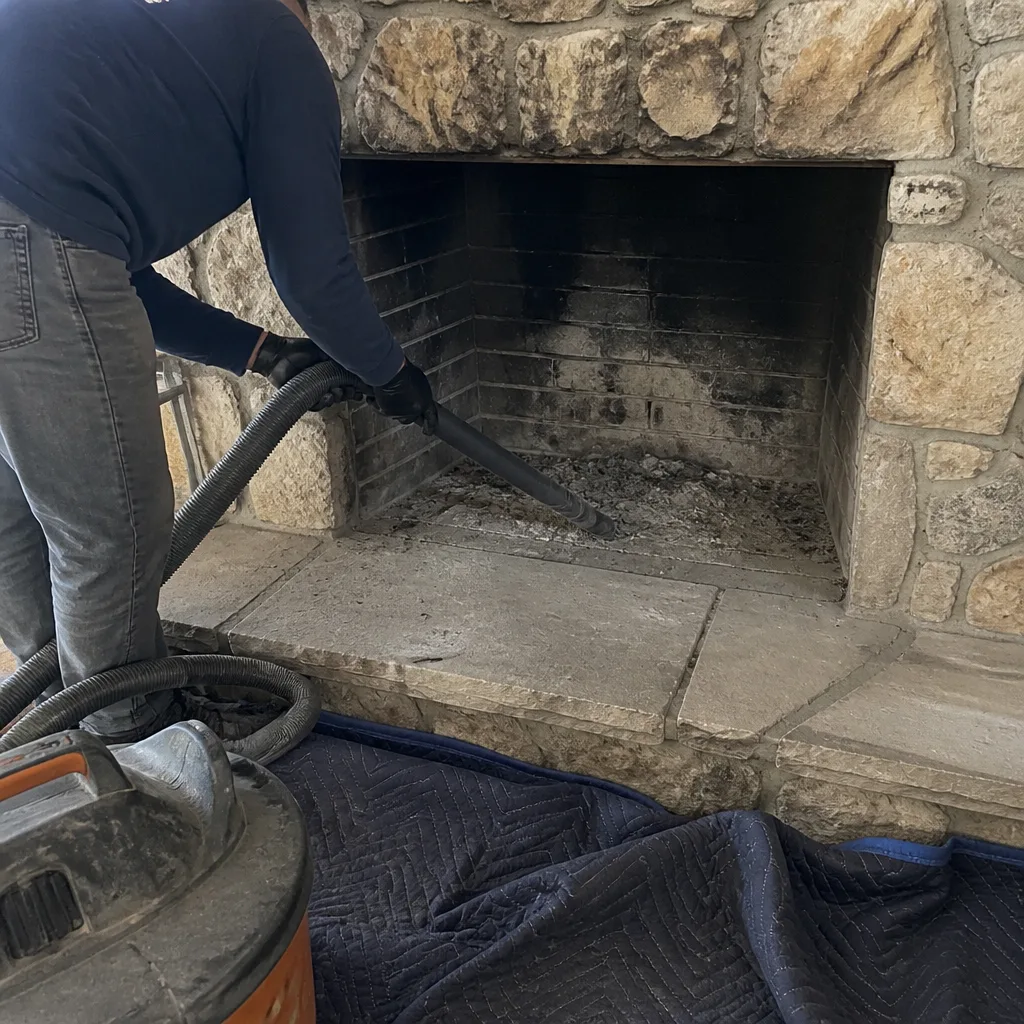
- Protect the room. Drop cloths, floor runners, and a sealed vacuum system attached to the chimney at the firebox opening. There’s not supposed to be soot on your furniture.
- Remove the appliance connection. For a wood insert or freestanding stove, disconnect the flue collar so the brush reaches the full run of pipe.
- Sweep the smoke chamber and flue. Rotary brush appropriate to the flue material – poly for stainless liners, wire only where masonry can take it.
- Clear the smoke shelf and damper. This is where creosote accumulates in amounts a brush alone won’t clear.
- Image the flue. A camera run on a clean flue surface. This is the diagnostic step.
- Document findings. Photos, notes, and a clear recommendation on any repair.
If a contractor quotes you a cleaning and an inspection as two separate appointments weeks apart, ask why. In most cases the answer will tell you a lot. We run this as a single appointment because the accountability sits with one technician for the full sequence. If you want to understand how that maps out for the full range of chimney work we do, our chimney sweep service page covers the sweep portion in more detail.
Safety note on flue interiors
We need to flag something clearly. Any work inside a flue above the damper – brushing, camera work, or reaching into the smoke chamber – involves confined space, poor visibility, and exposure to deposited creosote. It is not a homeowner job. Even a basic brush-and-rod sweep sends a cloud of fine soot into the room unless it’s captured by a properly sealed vacuum, and that cloud includes particles you don’t want to breathe. Beyond that, the flue lining itself can be fragile after years of heat cycling, and a homeowner pushing a brush through a crack can widen it. Every part of the inspection-and-sweep sequence should be handled by a trained professional.
The Three CSIA Inspection Levels and Which One You Need
CSIA (Chimney Safety Institute of America) defines three inspection levels, and knowing which one applies to your situation prevents both over-selling and under-checking. A Level 1 is what a West Jordan homeowner needs for a standard annual appointment. A Level 2 is what’s needed for a home purchase, sale, or a change to the appliance or fuel. A Level 3 is a diagnostic-level inspection triggered by specific conditions found during a Level 1 or 2.
Level 1 inspection
A Level 1 is a visual examination of the readily accessible portions of the chimney and connected appliance – firebox, damper, smoke chamber, and the visible portion of the flue from the firebox up as far as the technician can see. It’s the standard annual check, and it’s what should accompany every routine cleaning when the appliance and fuel haven’t changed since the last inspection. No specialized tools, no camera unless something catches the eye.
Level 2 inspection
A Level 2 adds a camera run through the full flue length, access to crawl spaces and attic spaces where the chimney passes through, and a look at the chimney exterior. You need a Level 2 when:
- You’re buying or selling a home (buyers want documented inspection, sellers want documentation the flue is sound)
- The home has had a chimney fire, even an undetected one
- The appliance or fuel type has changed – for example, converting from wood to gas
- There’s been a structural event (earthquake, chimney strike, major storm) that could have shifted the chimney
- The last inspection is more than a year old, or you don’t know when the last one happened
- You noticed a symptom – smoke entering the room, a strong creosote odor, water staining on the ceiling near the chimney
In West Jordan, Level 2 is very commonly requested in home-sale transactions. A buyer’s inspector flags “no records of chimney inspection” and the seller needs a documented answer. That’s the right use of a Level 2.
Level 3 inspection
A Level 3 is a diagnostic inspection – it happens when a Level 1 or Level 2 finds something that requires opening up concealed parts of the chimney to understand. Removing masonry or a section of flue, accessing a hidden chase, or partially disassembling the system. It’s rare, it’s targeted, and it’s always the result of a specific finding, never a routine service.
For a standard annual West Jordan appointment on a wood-burning fireplace that hasn’t changed, a Level 1 paired with a sweep is the right scope. For a home purchase, a post-storm check, or a changed appliance, ask for a Level 2 explicitly. Any contractor who quotes “an inspection” without telling you which level it is has left the most important detail out.
What West Jordan Tract Homes Typically Need Alongside a Sweep
A lot of West Jordan’s housing stock is tract-built, and a substantial share of it dates to the 1990s and 2000s build boom. Tract-home chimneys from that era share recognizable patterns, and knowing what they typically need helps a homeowner plan beyond the sweep.
The most common restoration need on these homes is a cracked or deteriorated ceramic flue liner. Heat cycling over two or three decades is enough to open hairline cracks in the tile, and once a crack is open, the flue is no longer a sealed path for combustion byproducts. It’s an escape path. Carbon monoxide can leave the flue and enter the framing cavity, and heat can reach combustible material that was never meant to see it.
The repair options, in order of invasiveness
- HeatShield liner restoration. A ceramic-and-refractory compound applied to the interior of the existing flue to seal cracks and restore a smooth, continuous surface. It can address a compromised flue without a full liner tear-out, which is a repair tier well beyond what a sweep-only contractor can offer.
- Relining with a stainless system. When the existing tile can’t be restored, a new liner – DuraFlex and Olympia Chimney are the professional lines we work with – is installed inside the old flue. Full function restored, without demolishing the chimney.
- Crown and cap work. Tract chimneys frequently have a thin-pour concrete crown that has shrunk and cracked since original construction. A failed crown lets water into the masonry, and water is what eventually destroys the whole structure. We install Famco and Gelco crowns and caps, and a properly fitted cap with a spark arrestor is what protects the cleaning and repair investment from weather, birds, and debris between seasons.
None of these repairs are automatic. They’re the findings that a proper inspection surfaces, and they’re the reason sweeping and inspection belong in one visit with one accountable specialist. If your chimney needs structural work, our chimney repair coverage explains how restoration and relining fit together. For firebox-level issues like a broken damper or failing firebrick, fireplace repair handles the pieces inside the home.
A Cleaning Receipt vs. a Cleaning Record
This distinction trips up a lot of West Jordan homeowners, and it matters when you’re making a warranty claim, selling a home, or trying to figure out whether the last sweep actually did what it said.
A cleaning receipt is proof of payment. It says “chimney cleaned” and gives you a dollar amount. That’s all it proves. It doesn’t prove the flue was inspected, doesn’t say what condition the liner was in, doesn’t include photos, doesn’t give you anything to hand a buyer’s inspector next spring.
A cleaning record is different. It’s documentation of the work performed and the findings, and it should include:
- Date of service and the level of inspection performed
- Appliance type (wood-burning fireplace, insert, gas, freestanding stove) and fuel
- Condition of the flue liner – noted as intact, cracked, or deteriorated, not just “fine”
- Condition of the smoke chamber, damper, and firebox
- Exterior condition – cap, crown, flashing, masonry joints
- Photographs of anything flagged, so you can see the finding for yourself
- Clear recommendation on any repair, including what can safely wait
We build the photo documentation into every appointment because it changes the conversation. You shouldn’t have to take a technician’s word for a needed repair any more than you should take a mechanic’s word for a needed brake job. You should be able to look at the camera image yourself and see the crack. That’s what the record gives you.
Save it. Keep it in the envelope with the appliance manual and the home inspection report. When you sell, it’s the difference between “the seller says the chimney was cleaned” and “here’s the documented inspection from the seller.”
What Chimney Cleaning Costs in West Jordan
Chimney cleaning in West Jordan typically runs $180 to $320 for a standard sweep with a Level 1 inspection. Level 2 camera inspections generally add $75 to $150. Repair work – liner restoration or cap and crown replacement – is priced separately and depends entirely on what the inspection finds. The final price is always set by the written estimate before any work begins.
Here’s the line-item picture, so you can plan:
| Service | Typical West Jordan range |
|---|---|
| Standard sweep + Level 1 inspection | $180 – $320 |
| Level 2 camera inspection | adds $75 – $150 |
| HeatShield ceramic liner restoration | quoted per job after inspection |
| Stainless relining (DuraFlex, Olympia Chimney) | quoted per job after inspection |
| Chimney cap installation (Famco, Gelco) | quoted per job after inspection |
| Crown repair or replacement | quoted per job after inspection |
We don’t quote repairs over the phone because we’d be guessing. A masonry chimney with a sound liner and a cracked crown needs a crown quote. The same chimney with three cracked tiles and no spark arrestor needs a different scope entirely. The right way to price either is to inspect and then write the estimate.
If the estimate comes back with something you didn’t expect, always ask: can this wait? A cosmetic issue on a cap – a slightly bent screen, a minor dinge on the edge of the metal – can usually wait a season. A structural issue in the flue cannot. Part of our job is telling you which is which, and we do that as part of the visit, not as a separate consultation.
How Often Should You Schedule a Chimney Sweep?
Standard advice is once a year for a household that burns wood regularly. For a West Jordan home burning one fire most winter nights, we treat that as the floor, not the ceiling – a mid-season check is worth considering if you’re burning daily through January and February.
The frequency factors that matter most in West Jordan:
- How much you burn. One fire a week is very different from one fire every night. Volume matters.
- What you burn. Well-seasoned hardwood produces less creosote than green wood or softwood. Seasoned wood is the single biggest lever a homeowner controls.
- How you burn. Long, hot burns build less creosote than short, damped-down smolder cycles. If you close the damper early to stretch the fire through the evening, you’re building deposits faster.
- The appliance. A modern EPA-certified insert runs a cleaner burn than an open masonry firebox and typically needs a sweep on a similar schedule but with less deposit per burn.
Timing the appointment matters too. In West Jordan, the practical window for a cleaning before the burning season is early autumn – September through October – when you’re not yet burning nightly. If you’re reading this in the middle of winter and haven’t been swept, don’t wait for spring. Book the sweep now; the fire you haven’t lit yet is the one you want to burn safely.
If the chimney has sat unused for a season or two, a sweep and inspection is the correct starting point before you light the first fire – not after. A chimney that sat through a summer can have a bird’s nest, a fallen debris plug, or a cracked crown from winter freeze-thaw. Sweep, inspect, then burn.
Common Mistakes to Avoid
- Hiring a cleaning without an inspection. A brush and a bag aren’t a safety check. If the invoice doesn’t list an inspection level and the condition of the liner, you’ve paid for soot removal and nothing else.
- Booking the inspection before the sweep. A camera running through a sooted flue can’t distinguish a crack from a shadow. The order matters, and a contractor who reverses it isn’t giving you a real inspection.
- Burning green or unseasoned wood. In West Jordan’s dry climate it’s tempting to assume any firewood is dry. Split a piece and check the interior – if it feels cool or damp to the touch, it isn’t seasoned and it will deposit creosote.
- Skipping the cap because it “blocks the view”. An uncapped West Jordan chimney invites birds, squirrels, rain, and leaf debris straight down the flue. The cost of adding a Famco or Gelco cap is small compared with sweeping out what falls in.
- Assuming a masonry chimney doesn’t need relining because the exterior looks fine. The exterior tells you almost nothing about the interior tile. Cracks form on the inside of the flue from heat cycling, invisible from the ground.
- Ignoring a failed crown. A cracked concrete crown looks cosmetic. It isn’t – water entering the masonry above the roofline damages the chimney from the inside out, and a $400-ish crown repair today can become a full rebuild if it waits two or three years.
- Taking a cleaning receipt as the end of the job. A record with photos and a documented condition of the liner is what actually protects you – for warranty, for resale, and for knowing what to watch next season.
See the difference
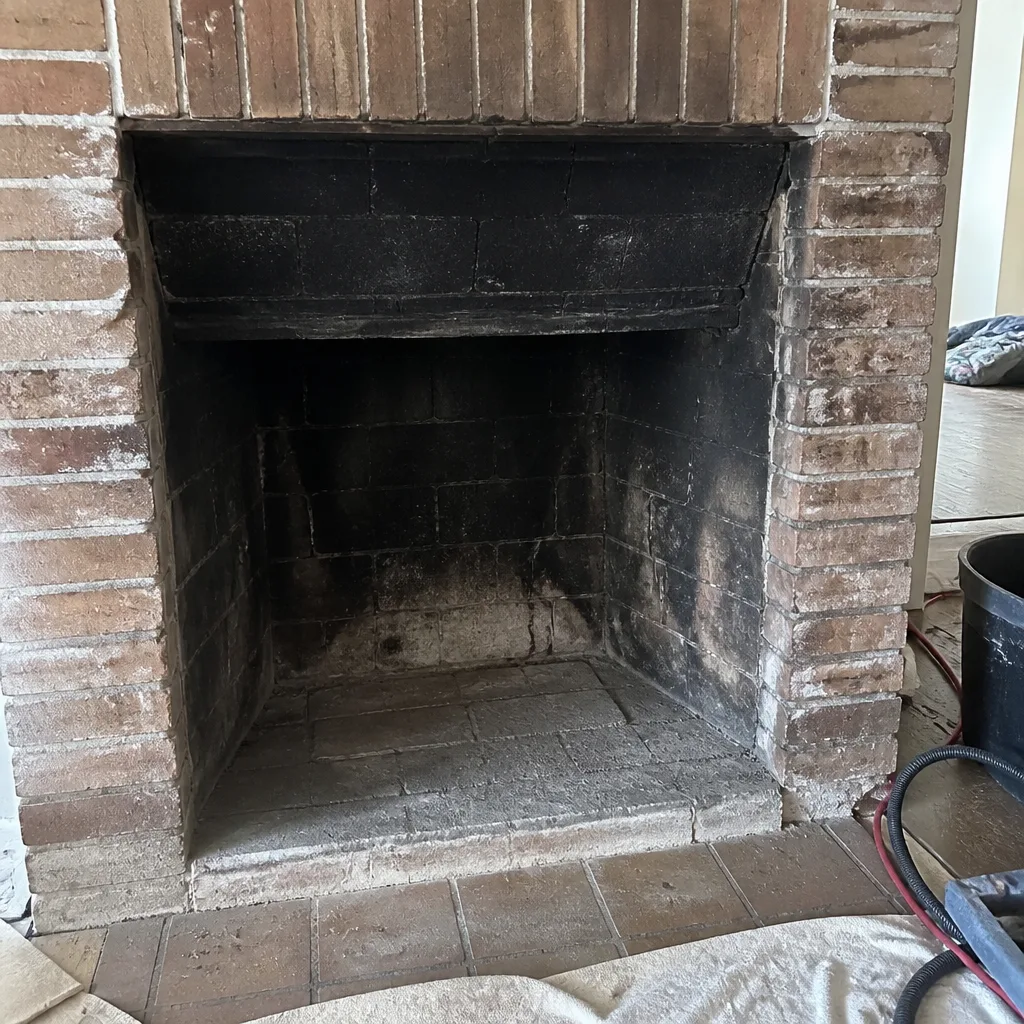 Before
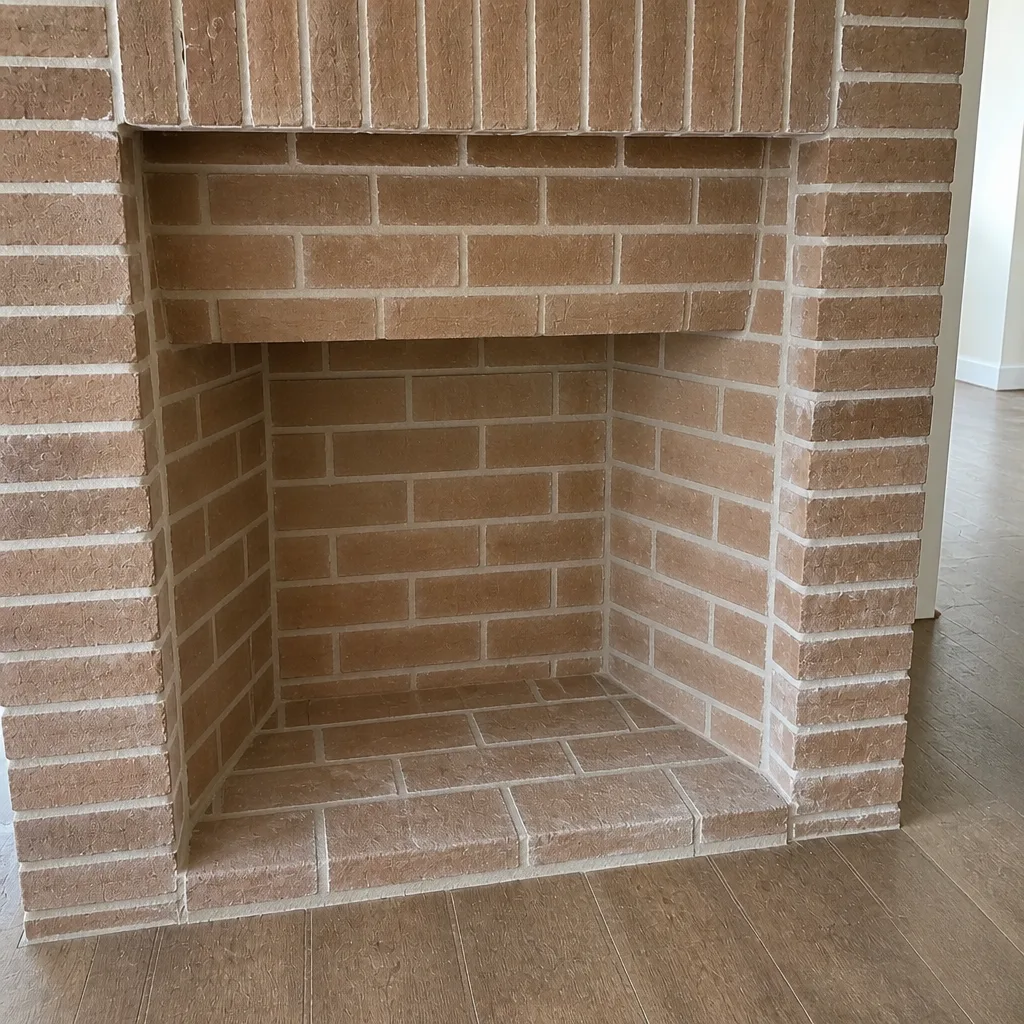 After
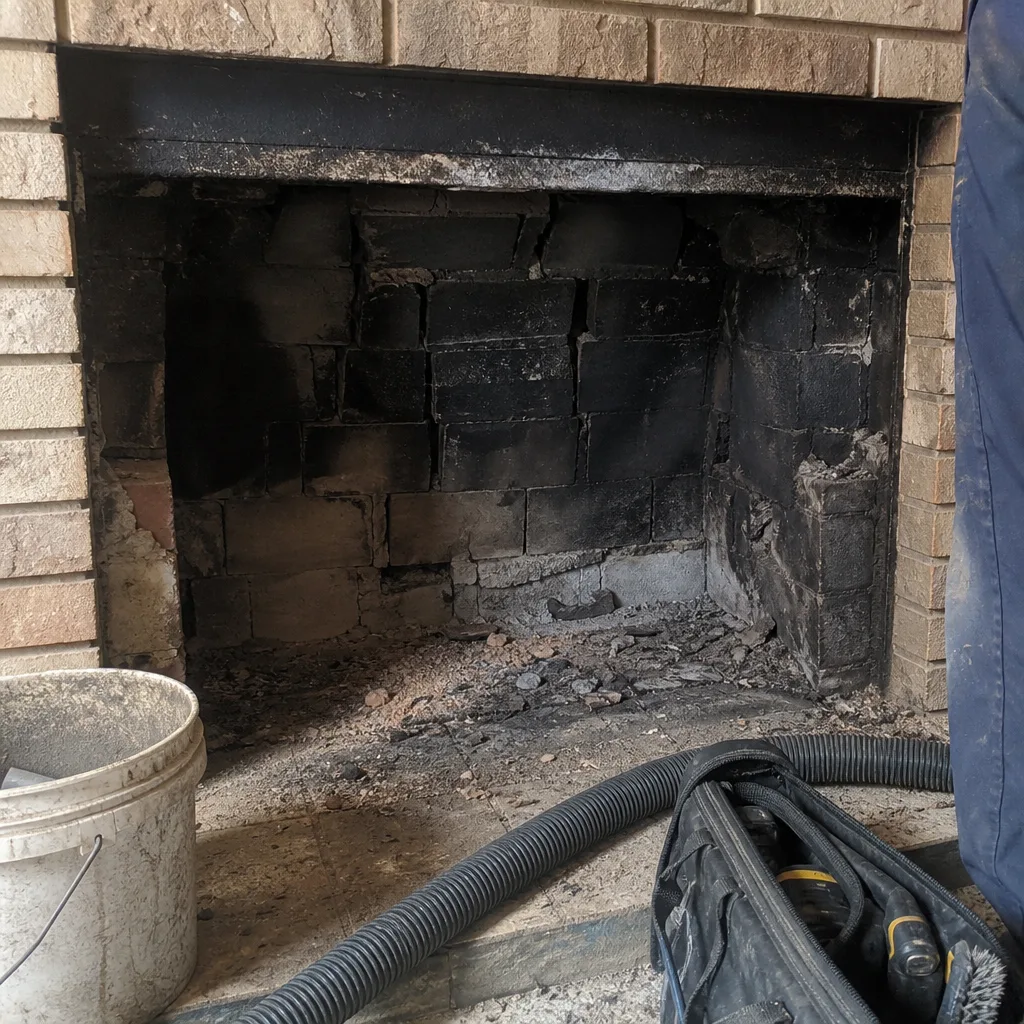 Before
 After
 Before
 After
When to Call a Professional
Any time you’re preparing to burn after a long off-season, call a professional. Any time you’ve had a chimney fire – even a small one – call a professional. Any time smoke enters the room when you light the fire, you smell a strong creosote or damp odor even when the fireplace is cold, or you see water staining on the ceiling or wall near the chimney, call a professional. In West Jordan, home purchase and sale transactions are another clear case – a documented Level 2 is what buyers want, and it’s what protects sellers. And any time the chimney has been sitting for two or more seasons, a sweep and inspection is the right starting point before the first fire. West Jordan Chimney Sweep offers free estimates in West Jordan – call (866) 947-9321. We answer 24/7. Fast dispatch from 7am to 7pm, Sunday through Friday.
Frequently Asked Questions
A standard chimney sweep with a Level 1 inspection in West Jordan typically runs $180 to $320. Level 2 camera inspections generally add $75 to $150, and any repair work is quoted separately from the written estimate after the inspection. The exact price depends on the appliance type, chimney height, and amount of deposit. Call (866) 947-9321 for an exact quote – estimates are free.
Whether HeatShield liner restoration is sufficient depends on the extent of the tile damage, and the only honest way to know is to see it on camera. HeatShield applies a ceramic-and-refractory compound to the interior of the existing flue to seal cracks and restore a smooth surface, which can resolve many compromised liners without a full tear-out. If the tile has spalled or separated from the mortar at the joints, a stainless reline with DuraFlex or Olympia Chimney may be the right answer. Either way, the recommendation comes after inspection, never before. Call (866) 947-9321 to book an inspection – estimates are free.
Once per year for a household burning wood regularly, and consider a mid-season check if you burn most nights through the winter. West Jordan’s elevation and frequent cold-start burn cycles can deposit creosote faster than a lower-elevation chimney on the same schedule. If the chimney sat unused for a season or more, sweep and inspect before you light the first fire. Call (866) 947-9321 for an exact quote – estimates are free.
Creosote accumulates in the flue, and creosote is combustible – a hot ember or a high-temperature burn can ignite it. Separately, any crack in the flue liner that a cleaning would have surfaced goes unchecked, which opens an escape path for carbon monoxide and heat into the framing. Skipping once isn’t automatically dangerous; skipping repeatedly without knowing the condition of the liner is. Call (866) 947-9321 to book a sweep and inspection – estimates are free.
You need a Level 2 when buying or selling a home. A Level 2 adds a full camera run of the flue and access to concealed chimney sections, which is what a buyer’s inspector or a lender’s underwriter wants to see documented. A standard annual appointment on an unchanged appliance is a Level 1. Call (866) 947-9321 to book the right inspection – estimates are free.
Yes. Part of the inspection is telling you what’s structural and what’s cosmetic, so you can plan the repair without urgency you don’t need. We don’t recommend work without camera evidence you can see for yourself, and we say plainly when a repair can safely wait a season. Call (866) 947-9321 for an exact quote – estimates are free.
The Bottom Line
Chimney cleaning in West Jordan is a system check, not a brush-and-bag errand. The sweep removes creosote from a flue you can’t see into, the inspection finds the cracks, failed joints, and crown damage that turn ordinary deposit into a hazard, and the repair triage tells you what to fix now and what can safely wait. Sweep first, inspect second, document both. That sequence is what protects the house, protects the resale, and protects you from buying a repair you didn’t need. One specialist from inspection through repair – no handoffs, no gaps in accountability.
Book a sweep and inspection with a team that works on the whole system, not just what’s visible from the living room. Call (866) 947-9321. We answer 24/7. Fast dispatch from 7am to 7pm, Sunday through Friday.
Written by the team at West Jordan Chimney Sweep.