
Last updated November 25, 2026
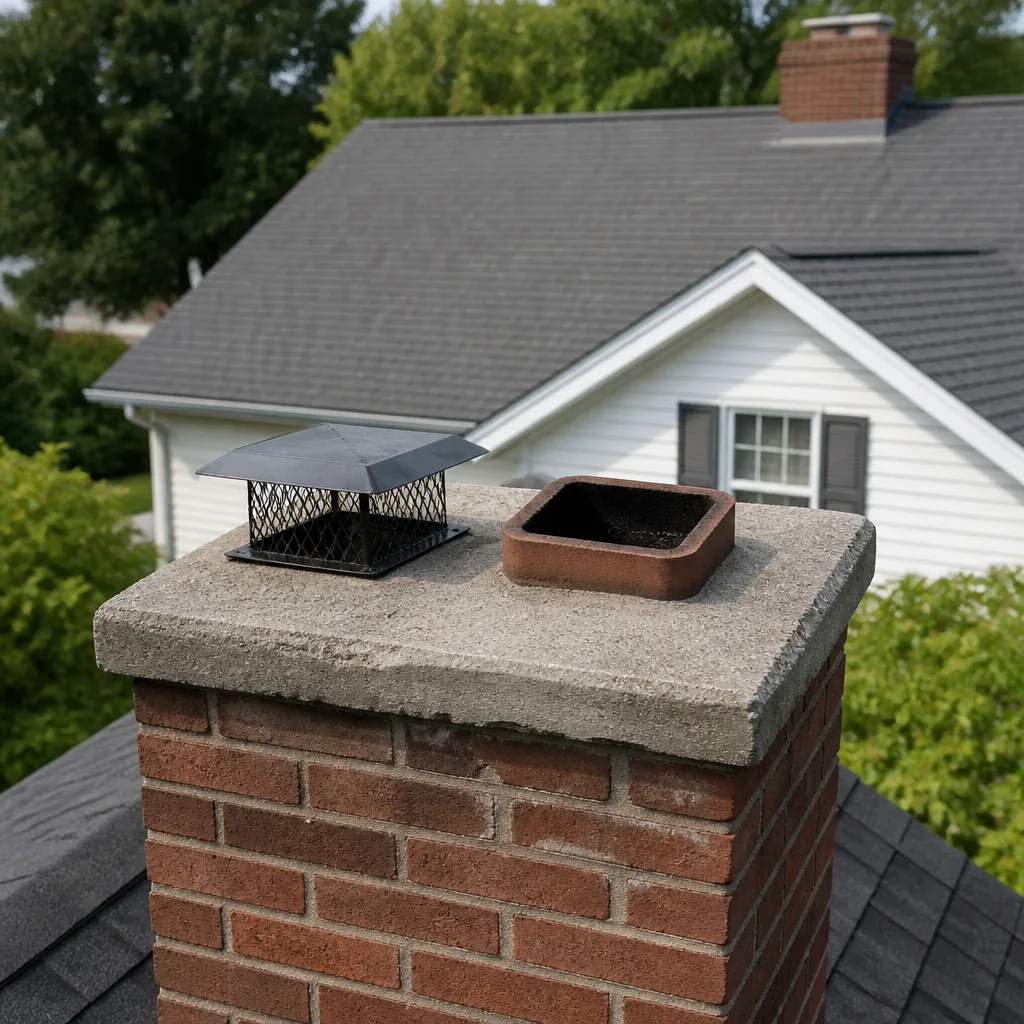 Sweep & inspection
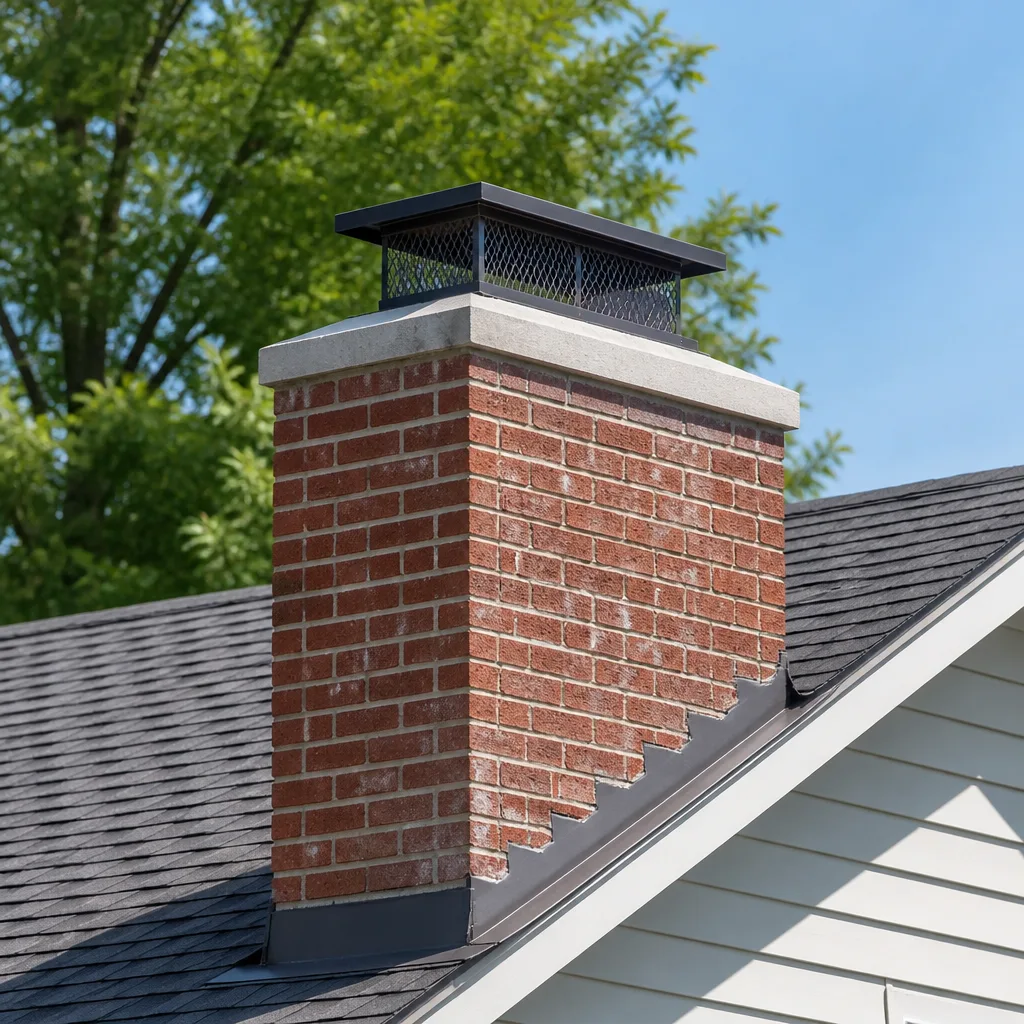 Caps & crowns
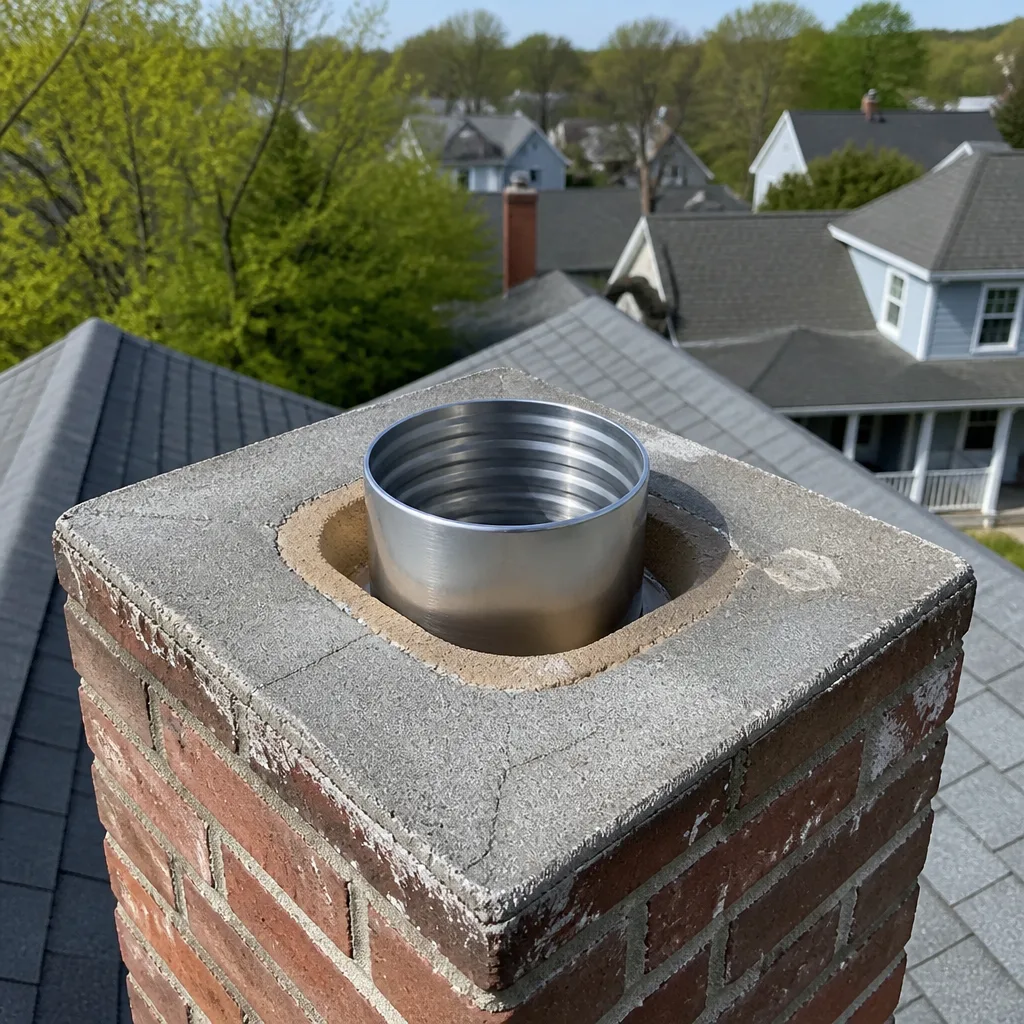 Flue relining
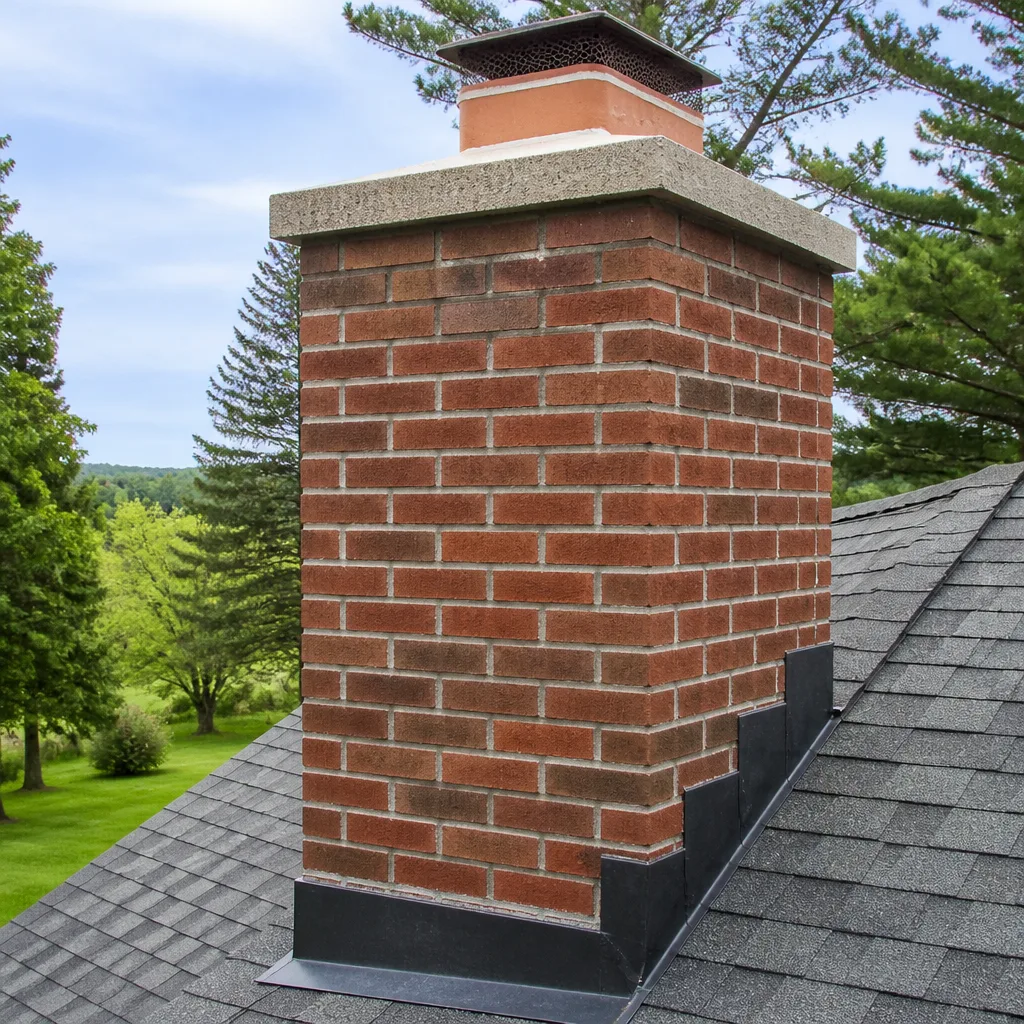 Masonry repair
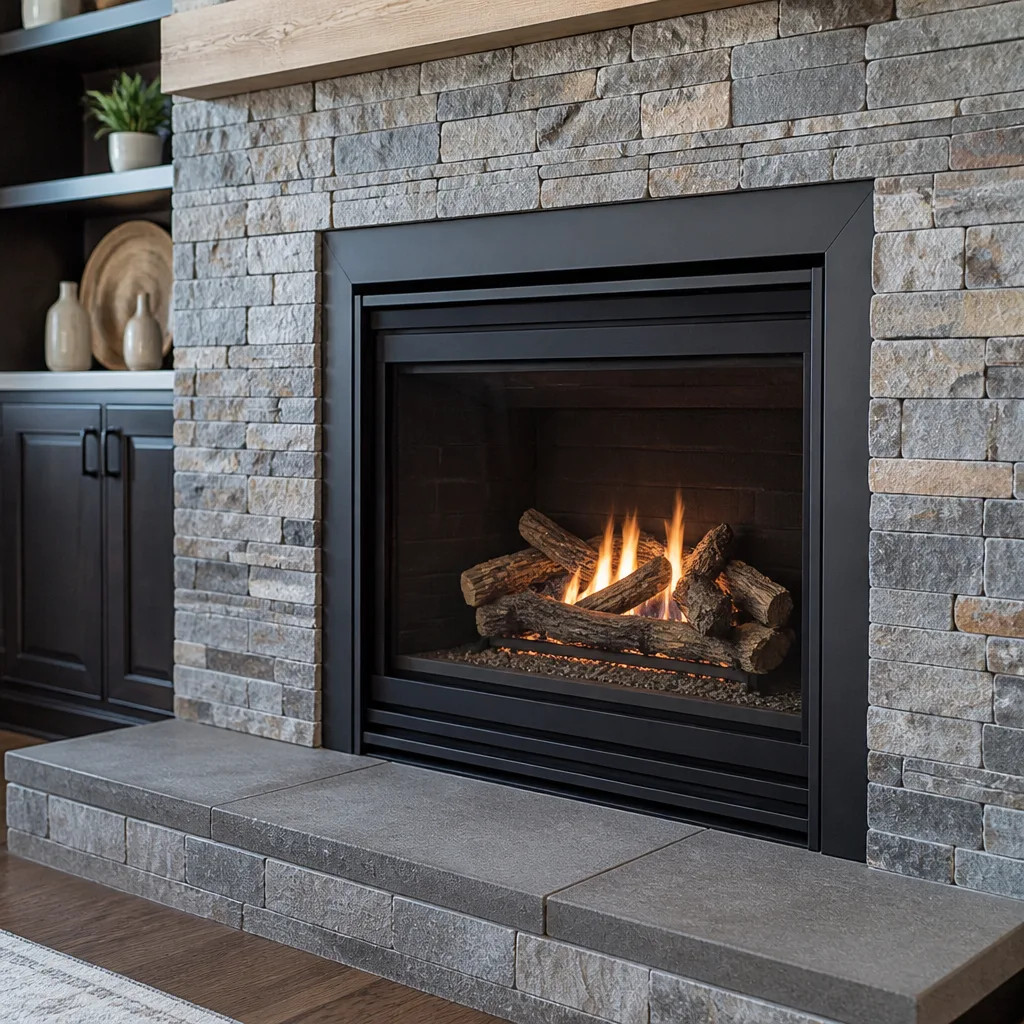 Gas fireplace service
Level 1 sweep and inspection to the NFPA 211 annual standard - flue, crown, cap, and flashing checked and photographed
Chimney sweep logs do not sweep chimneys. They loosen some creosote - which then falls where a brush and vacuum still have to collect it.
Seasonal Chimney Cleaning Care for West Jordan: Year-Round Homeowner’s Guide
Most homeowners treat chimney care as a single item on a fall checklist: call for a sweep, get it done, forget it until next year. That calendar is the reason so many chimneys in West Jordan arrive at October with problems that started months earlier. Chimney damage doesn’t wait for burning season. It happens during the spring thaw, through the dry summer, and in the freeze-thaw cycles of a West Jordan winter. This guide breaks the year into four distinct risk windows and tells you what to check, when to schedule, and why the off-season matters more than most people realize.
Quick Answer
Chimney care in West Jordan works best as four seasonal tasks, not one annual sweep: inspect the crown and mortar in spring after freeze-thaw cycling, schedule repairs and liner work in summer when conditions are dry and schedules are open, sweep in early October before the first sustained burn, and check creosote buildup mid-winter if you burn heavily. Waiting until November to book a sweep creates the backlog that delays everyone.
Styles & brands we work with
- Sweep & inspection
- Caps & crowns
- Flue relining
- Masonry repair
- Gas fireplace service
Table of Contents
- Why Seasonal Chimney Care Matters in West Jordan
- Spring: What Freeze-Thaw Cycling Does to Your Crown and Mortar
- Summer: The Best Window for Liner and Crown Repairs
- Fall: The Right Time to Book Your Pre-Season Sweep
- Winter: Mid-Season Checks for High-Use Households
- Oquirrh Mountain Winds, Downdraft, and Cap Selection
- Season-by-Season Task List
- What a Professional Inspection Covers
Why Seasonal Chimney Care Matters in West Jordan
A chimney is an outdoor structure attached to your house. Most of it sits above the roofline, fully exposed to weather year-round, while the flue carries heat, moisture, and combustion byproducts during the months you burn. That combination means the chimney experiences two different kinds of stress in the same year: thermal and chemical stress during burning season, and moisture and freeze-thaw stress during the off-season.
The mistake is thinking the chimney “rests” when you’re not using it. In West Jordan, it doesn’t. Spring snowmelt soaks into mortar joints and masonry. A cold night freezes that moisture, it expands, and the mortar cracks a little wider. The cycle repeats through March and April. By the time you light the first fire in October, the crown that looked fine last fall may have a hairline crack feeding water straight down into the flue.
We work on the whole system – not just what’s visible from the living room. That means we think about the cap and crown as part of the flue’s protection, the mortar as part of its structure, and the liner as the barrier between combustion gases and your home’s framing. Seasonal care is about catching each of those elements at the moment it’s most vulnerable.
West Jordan’s climate drives this. Cold winters, hot dry summers, and a wide swing between daytime and nighttime temperatures in spring and fall. Add the wind coming down off the Oquirrh Mountains to the west, and you have a chimney that needs attention in every season, not just the one where you happen to be thinking about fires. Neighborhoods from the older streets near the Jordan River to newer subdivisions out toward the foothills all see the same pattern.
This guide gives each season its own job. Do them in order and you’ll spend less, catch problems smaller, and stop discovering expensive issues at the worst possible moment.
Spring: What Freeze-Thaw Cycling Does to Your Crown and Mortar
Spring is when the damage starts, not when it appears. In West Jordan, the March and April temperature swings do more structural harm to a chimney than the coldest January night, because they act on water. Snow and rain sit on the crown and soak into masonry. Then a cold night freezes that moisture. Water expands when it freezes, and the mortar around your brick or stone pays for it.
What to look for after the thaw:
- Cracks in the crown. The crown is the concrete cap on top of the chimney that sheds water away from the masonry. Hairline cracks that weren’t there last fall let water straight into the top of the flue.
- Crumbling or sandy mortar joints. Run a finger along a joint. If grit comes off easily or the joint has receded, freeze-thaw is working on it.
- Spalling brick faces. When water gets behind the brick face and freezes, it pushes the face off. You’ll see flaking or popped surfaces.
- Rust streaks or white staining on the exterior. Rust from a metal component or efflorescence (white salt deposits) tells you water is moving through the masonry.
- Water stains on the firebox ceiling or damper. Interior staining after a spring thaw is a strong sign the crown or flashing is failing.
Spring is also the right time to check the cap. Winter snow and ice load the cap assembly, and a cap that shifted or rusted loose lets in water and wildlife. If your cap is damaged, we install Gelco and Famco chimney caps built to shed weather rather than just sit on top of the flue – durable solutions, not temporary fixes. A cap that’s sized to your flue and fitted correctly is a spring repair that prevents a fall problem. If you spot cracking in the crown or suspect masonry damage, a chimney repair evaluation early in the season catches it while the fix is small.
One practical note: spring is also when you should book the annual inspection if you didn’t do it in the fall. An inspection that documents what winter did to the system gives you a record for insurance or a future sale, and it’s the moment to decide whether anything needs repair during the drier months ahead.
Summer: The Best Window for Liner and Crown Repairs
Summer is the season homeowners overlook, and it’s the one that saves the most money in the long run. Two things make it the right window for repair work: dry conditions and open schedules. During the dry summer heat, materials used in liner and crown repair cure predictably. Mortar and crown compounds set under controlled, dry conditions rather than being wet by rain or frozen by a cold snap before they’ve cured.
Some repair materials are sensitive to cure conditions. A crown repair or masonry re-pointing done in cold or wet weather may not bond or cure the way it should. Summer removes that variable. Crown work done in dry heat has the whole long season to cure solid before the freeze-thaw cycling of next spring.
Then there’s scheduling. Everyone thinks about their chimney in October. Nobody thinks about it in July. If your system needs a liner repair or a full replacement, summer is when a professional has room in the schedule to do the work without a rush. Book it now and the chimney is ready before you need it. Book it in November and you’re competing for a slot with everyone else who just lit a fire and noticed a problem.
Summer is also the smart season for liner restoration. If a flue liner has cracks or deterioration but isn’t past saving, HeatShield liner restoration can rebuild the liner from the inside without a full tear-out. That’s a repair-tier option many sweep-only companies simply can’t offer, and it works best when scheduled during the off-season. For flues that need replacement instead, DuraFlex is one of the professional-grade liner systems we work with.
What to schedule in summer:
- Full inspection if you haven’t had one since last season.
- Liner evaluation to see whether restoration or replacement is the right call.
- Crown repair or rebuild while the weather is dry and curing is reliable.
- Cap replacement at the same time so the flue stays protected through the next season.
- Masonry repair in dry conditions, so mortar cures as it should.
Installed with the right materials, so you know exactly what’s going into your chimney. One specialist from inspection through repair – no handoffs, no gaps in accountability. If you’re near the Jordan River corridor or out by the Oquirrh foothills, the summer window is the same: get the work done while the weather cooperates and the schedule is mild.
Fall: The Right Time to Book Your Pre-Season Sweep
The best time to sweep a chimney in West Jordan is early October, before the first sustained burn. Not the first cold night. Not after the first month of fires. Before. That’s when a sweep can clear last season’s creosote and soot out of the flue so the season starts clean, and it’s when the first inspection of the year can flag anything spring or summer work needs to address.
The reason so many people wait until November is simple: they don’t think about the chimney until they light it. By the time they notice a draft, a smell, or a sluggish fire, everyone else has noticed too. November is the backlog month. Demand spikes and the schedule tightens. Homeowners who call early get the slot they want. Homeowners who call late take what’s left.
A pre-season chimney sweep in early October does more than clean. It confirms three things:
- The flue is clear. No nests, no fallen masonry, no creosote buildup left from last year.
- The liner is intact. Cracks or missing sections show up in the sweep.
- The system is safe to fire. Damper operation, firebox condition, and cap integrity all get checked.
If you burn wood regularly, this is also when a Level 2 inspection makes sense. A Level 2 inspection uses a camera to see the full length of the flue and is the standard for anyone planning repairs, buying or selling a home, or who’s had a chimney fire or a change in the system. Getting it done early in the fall gives you time to address anything it finds before the fire season is in full swing.
Fall is also a good moment for fireplace repair if the firebox or damper has issues. A damper that won’t close fully, a cracked firebox wall, or a fireplace that smokes back into the room all need attention before you’re using it daily. Better to fix it in September or early October than to discover it on the first cold evening.
One more reason to schedule early: fall in West Jordan brings wind off the Oquirrh Mountains, and a drafty chimney with a failing cap feels it. A cap that’s loose or wrong-sized turns a windy evening into a smoky evening. That’s a pre-season fix, not a mid-season emergency.
Winter: Mid-Season Checks for High-Use Households
If you burn more than about three cords of wood a season, your chimney accumulates creosote faster than a light-use household and can need a mid-season sweep. That’s not a standard annual sweep – it’s a check-in partway through the burn season because the buildup has reached a point where waiting until next fall isn’t safe. Creosote exists in different forms, and the hard, glazed kind is the most flammable. It builds slowly at first and then faster once the flue has a coating.
Households that typically fall into the “check in winter” category:
- Homes burning more than three cords of wood per season.
- Homes burning unseasoned or wet wood, which produces more creosote.
- Homes with smoky fires, which deposit creosote faster.
- Homes where the fire is run low and slow for long stretches, which cools the flue and lets creosote condense.
What to watch for during winter use:
- A strong, sharp smell from the fireplace when it isn’t burning.
- Visible soot or creosote on the firebox walls or flue.
- Fires that burn poorly or produce more smoke than usual.
- A draft that’s weaker than in early winter.
Winter is also when carbon monoxide risk deserves attention. A blocked or damaged flue can send combustion gases into the home instead of up and out. Every home with a wood-burning appliance should have working carbon monoxide detectors on each level, and a mid-season check is a good time to confirm they’re in order. That’s basic safety, not scare marketing.
If you think you need a mid-season sweep, call early. In the middle of the season, you’re competing with everyone else who’s mid-burn, so getting on the calendar sooner is the practical move. Call (866) 947-9321. We answer 24/7. Fast dispatch from 7am to 7pm, Sunday through Friday. If you call late, your appointment gets booked into the next opening – and it’s worth making that call sooner rather than later.
Oquirrh Mountain Winds, Downdraft, and Cap Selection
West Jordan sits east of the Oquirrh Mountains, and the wind that comes off those mountains in fall and winter does more to a chimney than most homeowners assume. When wind hits the roof, it can spill over the top of the chimney and push air back down the flue – that’s a downdraft. You notice it as smoke rolling out of the fireplace, a smell in the room, or a fire that won’t draw right on windy nights.
Cap selection matters here. A cap is not just a rain cover. It’s a component that affects draft, so a cap that’s too restrictive, the wrong height, or poorly fitted can make downdraft worse. The right cap – sized to the flue, set at the right height above the crown, and matched to the chimney’s airflow – improves performance in wind. That’s a seasonal-performance decision, not a cosmetic one.
Installed with Gelco, Famco, or Olympia Chimney caps, the cap does what it’s supposed to: shed water, keep wildlife and debris out, and support draft rather than fight it. West Jordan homeowners who have complained about drafts or smoky fireplaces often find the answer is a cap that doesn’t suit their chimney, not a flaw in the fireplace itself.
Crown and cap work go together. The crown sheds water off the top; the cap protects the flue opening. A failing crown lets water into the brick; a failing cap lets water and wildlife into the flue. When we look at a chimney for either issue, we look at both. If it makes sense to do both at once, that’s a single project rather than two separate visits.
This is also the reason wind deserves its own section rather than a footnote. In a calmer climate, a cap is mostly a rain cover. In West Jordan, with the mountain wind shaping performance, it’s part of how the system drafts, and that makes it a seasonal concern worth checking in spring, summer, and fall, right alongside the crown.
Season-by-Season Task List
Here’s the year laid out as tasks. This is the practical version of everything above, and it’s what we’d recommend to any homeowner in West Jordan who wants their chimney treated as a system rather than an errand.
- Spring (March-May): Visual check of the crown, mortar, and brick after the thaw. Look for new cracks, crumbling joints, and spalling. Book an inspection if anything is questionable, and address crown and masonry damage before summer.
- Summer (June-August): Schedule repair work – crown rebuilds, liner restoration or replacement, cap replacement, masonry repair – while weather is dry, curing is predictable, and scheduling is open. If a liner is cracked but salvageable, this is when to consider HeatShield restoration.
- Fall (September-early October): Sweep before the first sustained burn. Get a Level 2 camera inspection if you’re due for one or the system has changed. Address any fireplace repair needs before the season starts. Confirm the cap is secure before the wind picks up.
- Winter (November-February): Mid-season check if you burn more than three cords, burn unseasoned wood, or notice creosote smell or smoke problems. Confirm carbon monoxide detectors are working. Call sooner rather than later if the system shows signs of a problem.
That’s the whole year. Four tasks, matched to what the chimney actually experiences in West Jordan, rather than one sweep squeezed into a busy fall.
What a Professional Inspection Covers
An inspection is what turns chimney care from guesswork into decisions. There are three levels, and which one you need depends on what’s happening with the system.
A Level 1 inspection is a visual check of readily accessible parts of the chimney and fireplace, done with the usual annual service. It’s appropriate when the system hasn’t changed and you’re just staying current.
A Level 2 inspection goes further with a camera and covers the full flue, including areas you can’t see directly. It’s the standard when you’ve had a chimney fire, a change in fuel or appliance, a new home purchase, or a repair is planned. It’s also what documents the chimney’s condition for an insurance record or a real estate transaction.
A Level 3 inspection is done when specific areas are suspect and access to them requires opening up parts of the chimney or building. It’s less common and typically done in response to a known concern.
What a good inspection actually looks for:
- Creosote and soot levels in the flue.
- Liner condition – cracks, gaps, detachment, deterioration.
- Crown, cap, and flashing condition for water intrusion points.
- Mortar and brick condition for structural issues.
- Firebox and damper condition for function and safety.
- Draft and airflow to confirm the system will perform.
For homeowners who need a documented inspection for a sale, purchase, or renovation, an inspection report gives you a written record of what was checked and what was found. That’s useful when a buyer’s inspector flags the chimney or when a lender wants confirmation the system is sound. If you’re preparing a home for sale in a West Jordan neighborhood near the Jordan River or out toward the foothills, get the inspection done early and any flagged work completed by a specialist so the process doesn’t hold up the sale.
One specialist from inspection through repair – no handoffs, no gaps in accountability. That’s the point of a chimney-only trade: the same professional who inspects can do the sweep, the liner work, and the cap or crown repair, and nothing falls between workers who don’t talk to each other.
Common Mistakes to Avoid
- Treating the fall sweep as the whole year of care. A sweep removes buildup but doesn’t repair the freeze-thaw damage that set in during spring. Miss the spring and summer checks and you’re just cleaning a chimney that’s slowly failing.
- Waiting until November to book. The first cold snap sends everyone to the phone at once. In West Jordan, that compresses the schedule fast. Early October is the target for a pre-season sweep.
- Ignoring the crown and cap. The crown sheds water and the cap protects the flue opening. Neglect either and water and wildlife get in. These are structural components, not accessories.
- Burning unseasoned or wet wood. Wet wood produces more creosote and more smoke. Seasoned wood burns cleaner and puts less buildup in the flue.
- Assuming a winter of heavy burning is “the same as usual.” More than three cords a season is a different pattern. It warrants a mid-season check, not just a fall sweep.
- Putting off a liner problem because the fireplace still works. A cracked liner can leak combustion gases into the home even when the fire burns fine. Liner issues are about safety, not just draft.
- Hiring a general handyman for chimney work. Chimney systems are their own trade. Flue systems, combustion safety, and masonry need a specialist who works on chimneys only.
See the difference
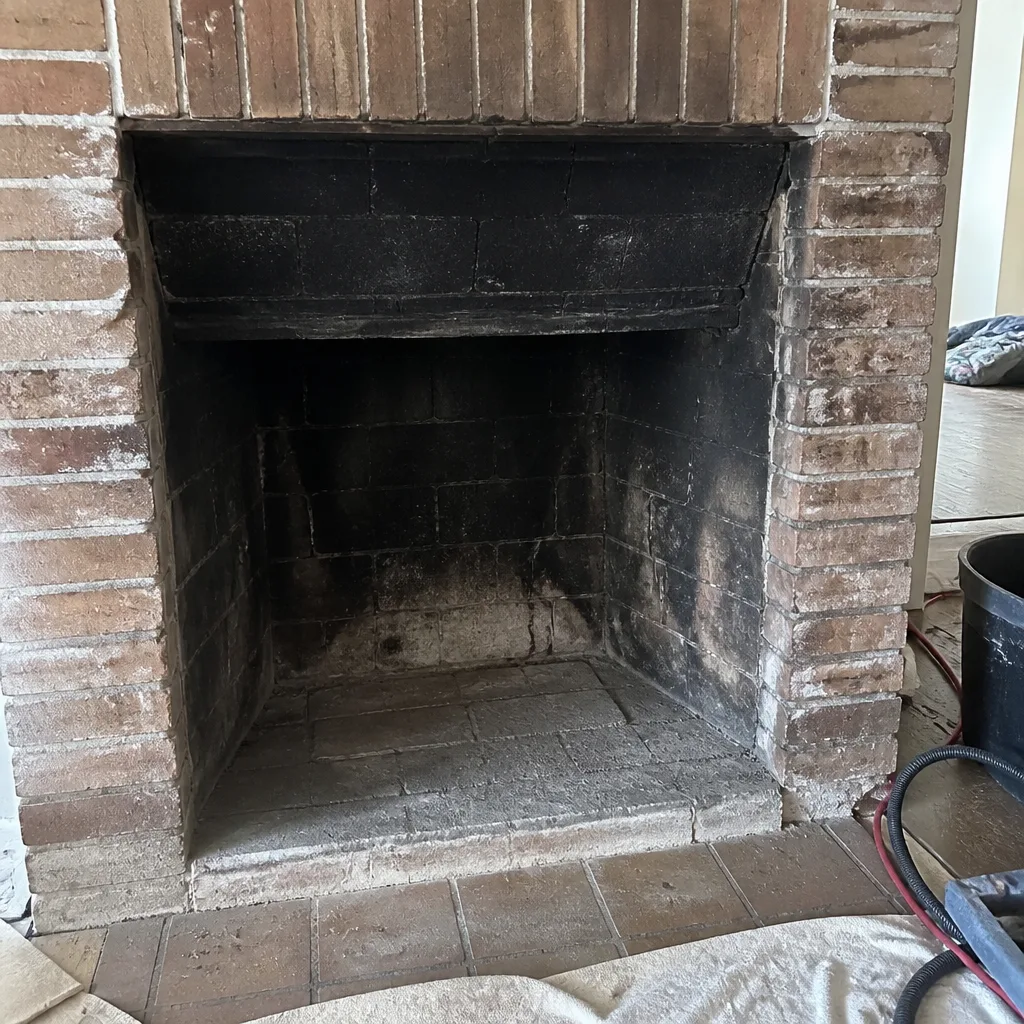 Before
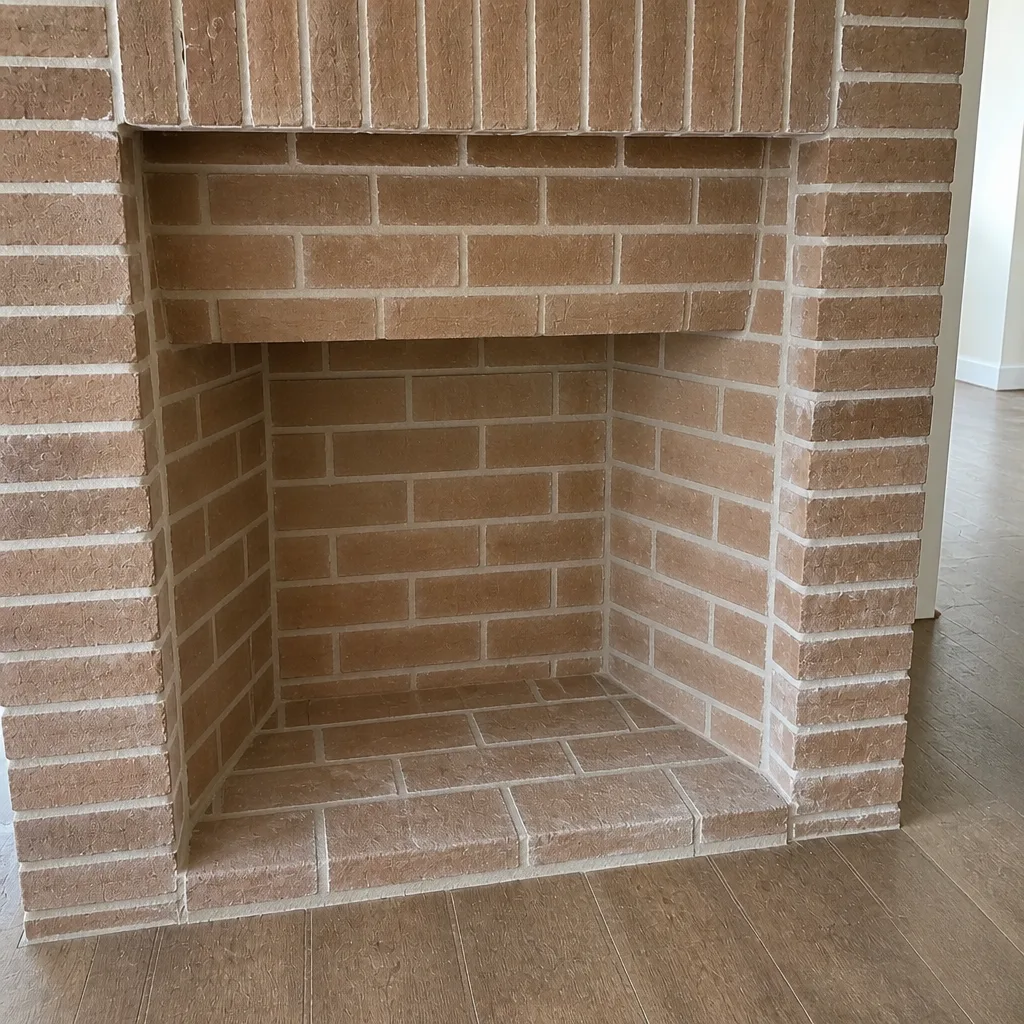 After
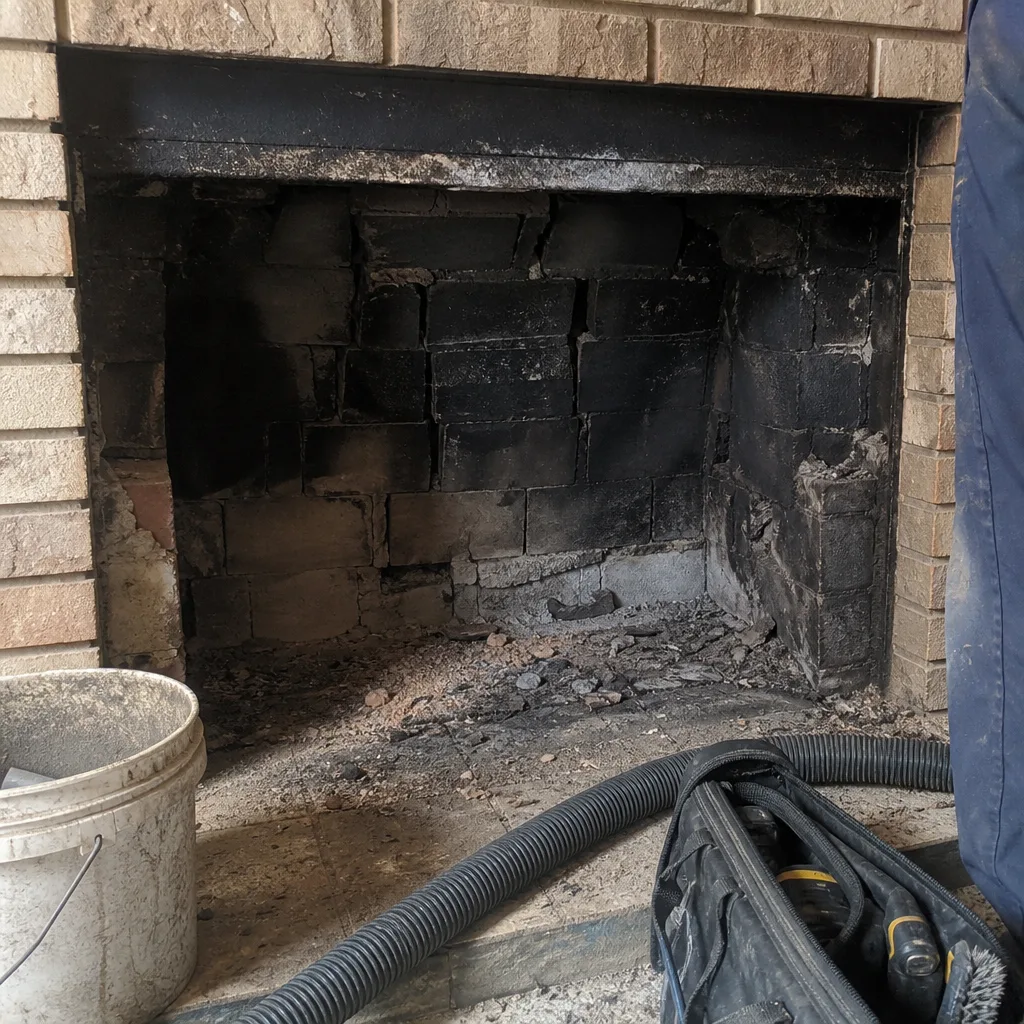 Before
 After
 Before
 After
When to Call a Professional
Some chimney work is routine and some is urgent. A sweep, a scheduled inspection, and planned repair work are best arranged by appointment through the year. But there are situations where the system needs a specialist look sooner: the crown is visibly cracked or the mortar is crumbling after a thaw, water stains appear on the firebox ceiling, smoke rolls into the room on windy nights, the cap is loose or missing, or the fire draft is sluggish. If you’ve burned more than three cords this season or burned unseasoned wood, a mid-season check is worth scheduling. Carbon monoxide detectors are a must for any home with a wood-burning appliance – if they’ve ever gone off, treat it as a serious signal and call.
West Jordan Chimney Sweep offers free estimates in West Jordan – call (866) 947-9321. We answer 24/7. Fast dispatch from 7am to 7pm, Sunday through Friday. Estimates are free and the final price comes from a written estimate.
Frequently Asked Questions
Once a year is the baseline, scheduled in early October before the first sustained burn. Homes that burn more than three cords of wood, burn unseasoned wood, or burn heavily should get a mid-season check as well. If creosote buildup reaches a level worth cleaning partway through the season, don’t wait for next fall. Call (866) 947-9321 for a free estimate.
Because the damage happened in spring. Snowmelt works into the crown and mortar, then freeze-thaw cycles over March and April crack it a little more. By fall, a crack that was a hairline in March is letting water into the flue. Checking in spring is how you catch it while the fix is small, rather than discovering it in October. Call (866) 947-9321 if you want an inspection before the season starts.
Yes, for most repair work. Dry summer conditions mean mortar and crown materials cure reliably, and the schedule is much more open than in the fall. Liner restoration and replacement, crown repair, and masonry work are all easier to do well in summer. Scheduling in summer also means the system is ready before you need it. Call (866) 947-9321 to get on the summer calendar.
They can. Wind off the mountains in fall and winter can spill over the top of the chimney and push air back down the flue, causing downdraft. You’ll notice it as smoke in the room or a fire that won’t draw. The right cap – sized and positioned correctly – helps. Installed with Gelco, Famco, or Olympia Chimney caps, the cap protects the flue and supports draft rather than fighting it. Call (866) 947-9321 to talk cap sizing.
Sometimes. If the liner is deteriorated but not past saving, HeatShield liner restoration can rebuild it from the inside without a full tear-out. That’s a repair-tier option many sweep-only companies don’t offer. Whether it’s right for your flue depends on the condition, which a camera inspection shows. Call (866) 947-9321 to have it evaluated.
We answer 24/7. A call outside dispatch hours is booked into the next opening, Sunday through Friday, 7am to 7pm. Fast dispatch from 7am to 7pm. If the system needs attention, getting on the calendar is the first step, and early booking gets you the slot you want.
The Bottom Line
The chimney damage that surfaces in October was set in motion in March. That’s the whole argument for treating chimney care as four seasonal tasks rather than one annual sweep. Check the crown and mortar in spring after freeze-thaw cycling. Schedule liner and crown repairs in summer while curing is reliable and the schedule is open. Sweep in early October before the first sustained burn and before the November backlog. Check in mid-winter if you burn more than three cords or notice smoke and creosote problems. Pay attention to the wind and cap, because a West Jordan chimney that drafts poorly in wind needs the right cap to perform. Do it in that order and you’ll catch problems small, keep the system safe, and stop discovering expensive damage at the worst possible time. The West Jordan Chimney Sweep team handles all of it – sweeping, inspection, repair, liner restoration, and cap and crown work.
Ready to get on the calendar or want a free estimate for your West Jordan home? Call West Jordan Chimney Sweep – (866) 947-9321. We answer 24/7. Fast dispatch from 7am to 7pm, Sunday through Friday. Estimates are free, and the written estimate sets the final price.
Written by the team at West Jordan Chimney Sweep.