
Last updated November 25, 2026
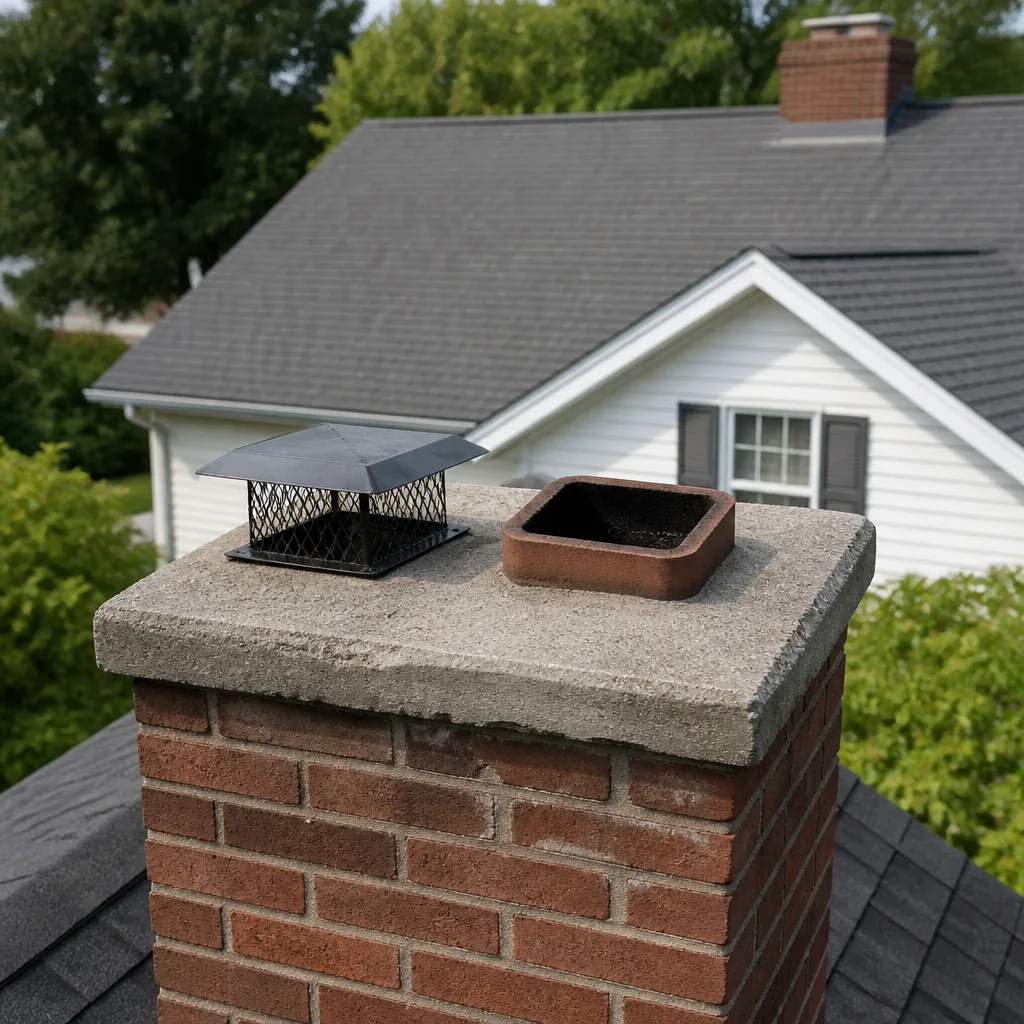 Sweep & inspection
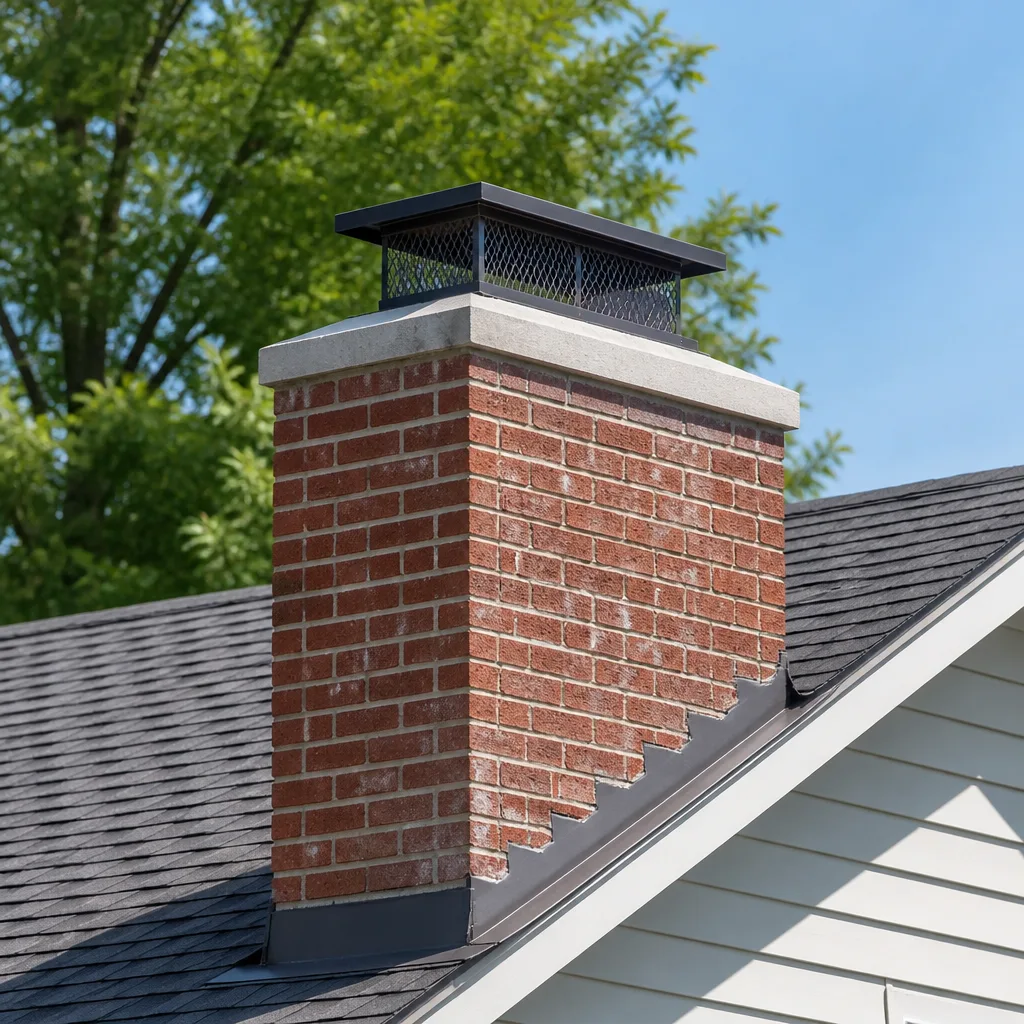 Caps & crowns
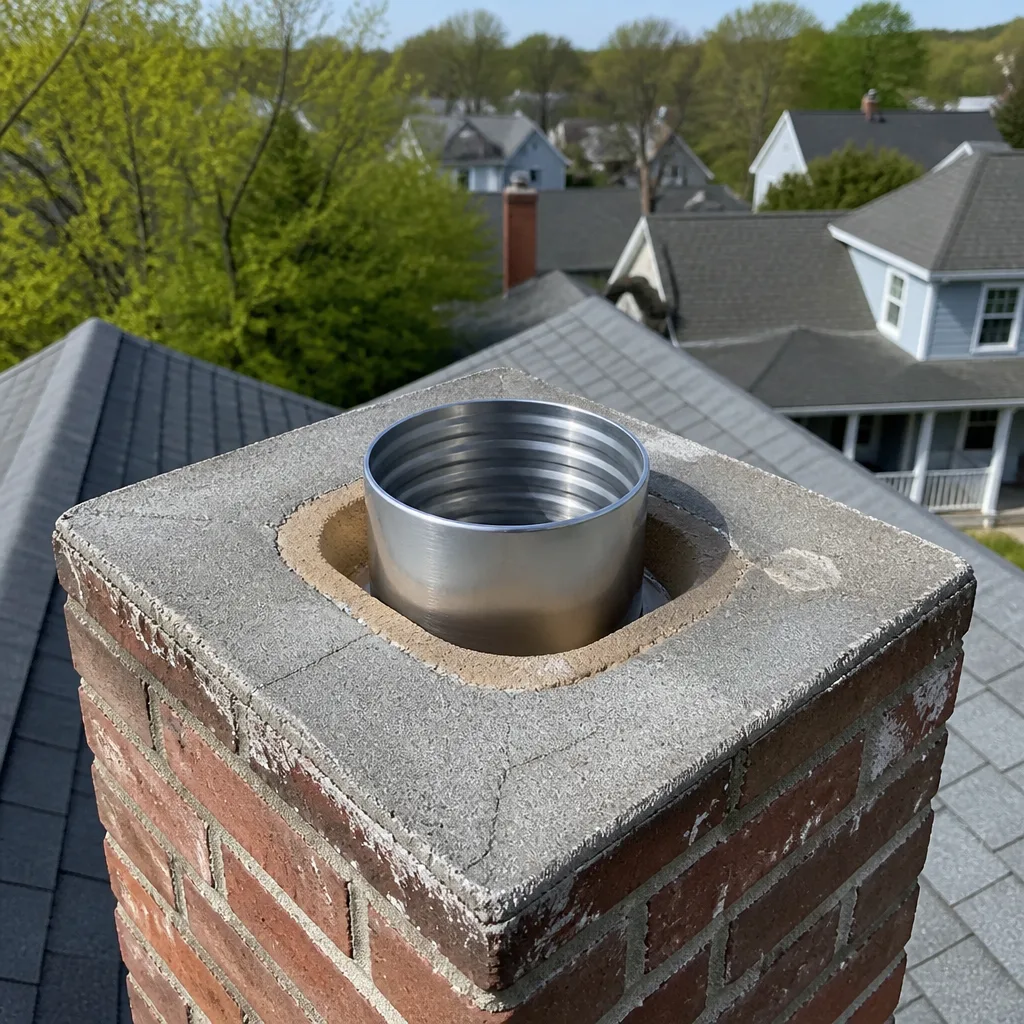 Flue relining
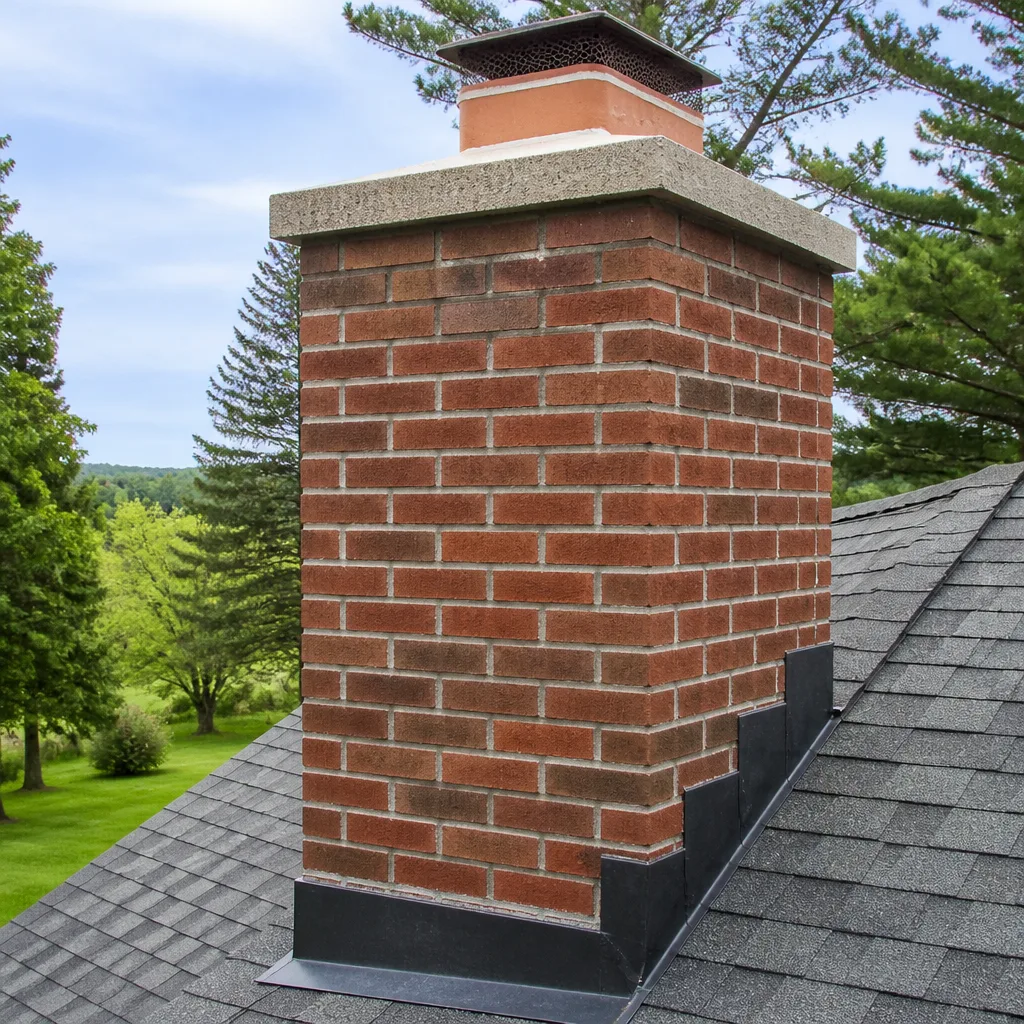 Masonry repair
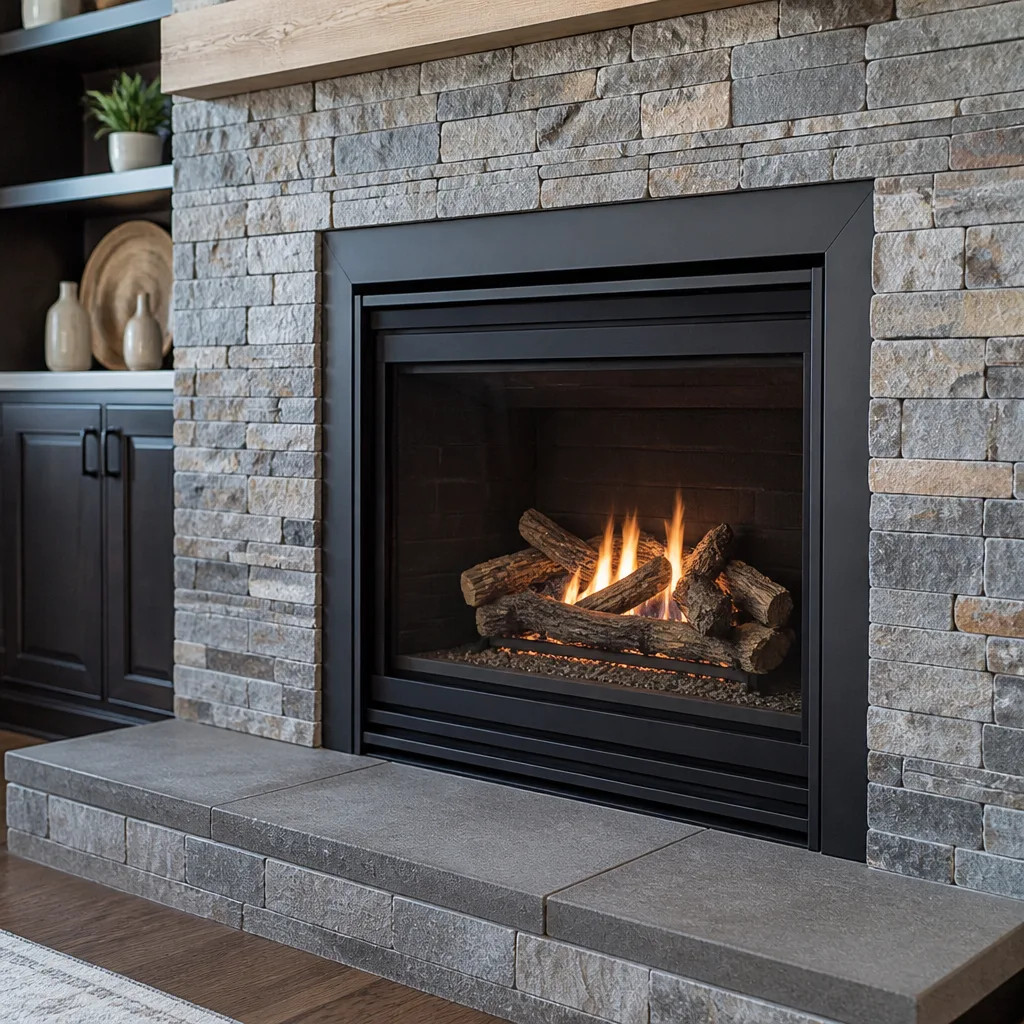 Gas fireplace service
Level 1 sweep and inspection to the NFPA 211 annual standard - flue, crown, cap, and flashing checked and photographed
Chimney sweep logs do not sweep chimneys. They loosen some creosote - which then falls where a brush and vacuum still have to collect it.
Chimney Cleaning Emergency Preparedness Guide for West Jordan Homes
Most homeowners picture a chimney fire as a roar coming up the flue, loud enough to wake the house. In our experience, that’s the version people imagine and the reason they wait too long when something quieter happens instead. A low rumble, a soft tapping in the pipe, a sudden change in pressure that makes the stove door pull differently, these are the sounds that actually go with many chimney fires, and they’re easy to talk yourself out of. This guide covers both halves of the problem: how chimney emergencies in West Jordan build up slowly and predictably through missed maintenance, and exactly what to do in the ninety seconds after you realize something is wrong.
Quick Answer
A chimney fire emergency in West Jordan starts with recognizing the cues (a roaring or rumbling flue, a shaking damper, dense smoke at the roofline), and the safest first move is to cut the firebox’s air supply, get everyone out, and call 911 if there’s any doubt. After any fire event, the chimney cannot be used again until a Level 2 inspection confirms the flue liner and masonry are intact. Carbon monoxide events don’t always involve visible smoke, so working CO detectors near sleeping areas and the appliance are part of the same preparedness picture.
Styles & brands we work with
- Sweep & inspection
- Caps & crowns
- Flue relining
- Masonry repair
- Gas fireplace service
Table of Contents
- How Chimney Fires Actually Start in West Jordan Chimneys
- How to Tell an Active Chimney Fire from Normal Firebox Sounds
- What to Do in the First Ninety Seconds
- Carbon Monoxide: The Emergency You Can’t See
- After Any Fire Event: The Level 2 Inspection Rule
- What to Document After a Chimney Emergency
- Prevention: The Maintenance Pattern That Interrupts Emergencies
- Winter Timing and the West Jordan Burning Season
How Chimney Fires Actually Start in West Jordan Chimneys
A chimney fire needs three things: creosote, heat, and oxygen. Creosote is the tar-like residue that condenses inside the flue when wood burns inefficiently, and in cooler, high-desert climates like West Jordan’s the flue stays colder longer, which is exactly the condition that lets creosote build up faster and glaze harder. That glazed creosote is the fuel. When a hot fire sends flames and sparks up past it, that residue can ignite.
What many homeowners don’t realize is that the fire doesn’t need a dramatic trigger. A cold snap, a load of green or unseasoned wood, a fire built too hot too fast, or simply one more winter of skipped sweeping can push a flue into ignition territory. In our experience working on chimneys across the Salt Lake Valley, the most common setup is the same every time: a fireplace used regularly, a sweep that hasn’t happened on schedule, and a flue full of fuel nobody looked at.
There are two other conditions unique to this area worth flagging. First, the Wasatch Front’s winter inversions trap cold air near the ground, and that can affect draft on certain days, meaning smoke lingers where it would normally vent. Second, the dry air and hard freezes that follow warm afternoons stress masonry joints over time. A chimney that’s structurally sound and swept clean handles these conditions far better than one that’s neglected. Our full West Jordan Chimney Sweep services are built around closing that gap.
How to Tell an Active Chimney Fire from Normal Firebox Sounds
A normal fire pops, crackles, and settles. It doesn’t rumble, and it doesn’t change the pressure in the room. That distinction is the most useful safety knowledge a homeowner in West Jordan can carry, because the faster someone recognizes the wrong kind of sound, the faster they act.
Here are the specific cues that should trigger an immediate response from you and your household:
- Rumbling or a low roar up the flue. This can sound like a distant train or a jet passing overhead. If it’s coming from your chimney, treat it as a fire until proven otherwise.
- A vibrating or shaking damper. The damper rattling or shuddering while a fire is burning can indicate intense heat and pressure moving through the flue.
- Dense smoke at the roofline. If you step outside and see heavy, dark, or unusually thick smoke coming from the top of the chimney, that’s a red flag.
- A ticking or tapping in the pipe. This can be the sound of hot creosote igniting or masonry cracking.
- An overpowering smell of creosote or burning debris. If the smell is stronger outside the house than inside, you’re likely seeing a fire in the flue.
If any of these signs are present, call 911. Don’t wait to be sure. The fire department would rather respond to a false alarm than arrive after a flue fire has spread to the chimney structure.
What to Do in the First Ninety Seconds
In the moment a chimney fire is suspected, actions matter in sequence. Here is the order we recommend, and it begins with cutting the fire’s air, not with rushing to grab a bucket.
- Cut the air supply to the firebox. If you have glass doors, close them. If the fire is controlled by a stove’s air intake, shut it down. This starves the fire of oxygen and is the single most effective step a homeowner can take.
- Close the damper, if it’s safe to do so. A closed damper limits the air pulled up the flue. Use the tool, not your hand, and don’t reach in if the firebox is already hot or roaring.
- Get everyone out of the house. Move people to the far end of the driveway or the street. Do not stop to gather belongings.
- Call 911. Tell the dispatch what you’re hearing and seeing. If you have a fire extinguisher nearby, only use it if the fire is contained in the firebox and the situation feels safe, and never attempt to extinguish a fire inside the flue yourself.
- Never pour water into the firebox. Adding water to a hot firebox can cause an immediate release of steam, shatter masonry, or send burning material out into the room. It makes the situation worse, not better.
Once the fire department has cleared the scene, the chimney has to be evaluated before anyone uses it again. That evaluation has to happen before the next fire is lit, no exceptions.
Carbon Monoxide: The Emergency You Can’t See
Not every chimney emergency shows up as smoke and flame. When the flue is blocked or the draft fails, combustion gases have nowhere to go but into the home, and carbon monoxide (CO) is colorless and odorless. It also produces no smoke. That’s why CO detectors are part of chimney preparedness, not a separate concern.
In West Jordan, draft failure is more common than most people think. A stopped-up flue, a damaged or disconnected liner, a cracked heat exchanger on a gas insert, or a pressure imbalance in a well-sealed home can all push flue gases into the living space. The devices that catch this first are ordinary CO detectors, and their placement matters:
- Place a detector on every level of the home, including the basement.
- Place one near each sleeping area. The one in the hallway outside the bedrooms catches a CO rise before it reaches people asleep.
- If you have a gas-burning insert, fireplace, or furnace, place a detector within a reasonable distance of the appliance, per the manufacturer’s guidance.
- Test each detector monthly and know the sound pattern for a CO alarm versus a smoke alarm.
If a CO alarm goes off, get everyone outside and call the fire department. Don’t go back in to open windows. Once the alarm has been handled, the appliance and flue need professional evaluation before anything is used again. A blocked flue is a chimney problem, not a furnace problem, and it needs someone who specializes in flue systems.
After Any Fire Event: The Level 2 Inspection Rule
A chimney that has had any fire event, even one the homeowner thinks was minor, cannot be used again until a Level 2 inspection has been completed. That’s not a suggestion. A fire inside the flue can crack a clay liner, loosen mortar joints under thermal shock, or warp a metal liner without leaving any visible sign from the firebox. The next fire is what takes a damaged system from a close call to a house fire.
A Level 2 inspection is a camera-assisted, top-to-bottom look at the entire flue and chimney structure. It looks specifically for:
- Liner integrity. Cracks, gaps, and separations in the flue liner that allow heat to contact surrounding masonry or wood framing.
- Mortar cracking from thermal shock. The sudden heat of a fire can crack the mortar joints in a way that weakens the structure over time.
- Creosote condition. Whether glazed creosote remains in the flue after the fire, which determines whether the chimney can be returned to service after sweeping.
- Crown and cap condition. The top of the chimney often takes the brunt of the fire’s heat, and a cracked crown lets water into the structure.
If the inspection finds a damaged liner, one option is restoration with HeatShield materials, which can extend the life of a compromised flue without the cost of a full liner tear-out. That said, a fire event sometimes warrants full liner replacement with DuraFlex. The right answer comes from what the camera sees, not a guess. This is where a dedicated specialist matters, because our chimney repair scope includes liner restoration, structural repair, and the inspection that comes before it.
What to Document After a Chimney Emergency
If a chimney fire or CO event is going to be part of an insurance claim, the documentation you take before the cleanup visit is worth more than anything you take afterward. Cleanup removes the evidence of what happened, and an adjuster needs to see the damage as it was, not as it was left.
Before you let anyone touch the chimney, take these photos:
- Photograph the firebox and the front of the fireplace in its current condition.
- Photograph the top of the chimney from the ground, including any visible smoke, soot, or cracking at the crown.
- Photograph any interior smoke staining, soot, or damage to the room around the fireplace.
- Capture the interior of the flue if you can see it safely, from the firebox up, without reaching in.
- Save the Level 2 inspection report with photos. This is the document your insurer will ask for.
Photos taken after a sweep and cleanup can’t show the condition that caused the fire. Those before-and-after photos, plus the inspection report, are what make a claim straightforward. Keep them with your home records even if you don’t end up filing, because a documented inspection history also matters when you sell the home.
Prevention: The Maintenance Pattern That Interrupts Emergencies
Chimney emergencies follow a buildup pattern, and that pattern has a clear interruption point. The interruption is routine maintenance: sweeping on schedule, annual inspections, and cap and crown care. Everything else is damage control.
A proper chimney sweep removes the creosote that fuels a fire, and a Level 1 inspection catches small problems (a hairline crack, a loosening cap, a deteriorating crown) before they become emergencies. In our experience, homes that keep up with sweeping and inspection rarely end up on the emergency side of the equation. Homes that skip a few seasons are where the calls come from.
A few routine items worth building into the maintenance pattern:
- Burn dry, seasoned wood. Wet or green wood creates more creosote. The moisture is the source of much of the smoke and the deposits.
- Keep the cap and crown in good condition. A cap keeps birds, rain, and debris out of the flue. A cracked crown lets water in, and water is patient. We install Famco and Gelco caps and crowns because they hold up in this climate.
- Sweep before the burning season, not after. Getting the chimney evaluated and cleaned before the first cold snap is the difference between readiness and a scramble.
- Check the firebox and damper as part of routine maintenance. If a damper has gone stiff or a firebox has cracking, our fireplace repair service addresses it before it becomes a safety issue.
Winter Timing and the West Jordan Burning Season
West Jordan sits against the Oquirrh foothills on the west side of the Salt Lake Valley, and that geography shapes how chimney emergencies happen here. Cold air settles in the valley on inversion days, wood stoves and fireplaces get used more heavily, and the flue works harder through the coldest stretch of the season. The fire risk peaks when the weather is coldest, which is also when a chimney that’s overdue for maintenance is most likely to be used.
The practical takeaway is to schedule sweeping and inspection before the heavy burning season, not after the first smoke alarm goes off. Homes in neighborhoods around Old Town, Jordan Landing, and the West Jordan foothills tend to run a mix of traditional fireplaces, gas inserts, and wood stoves, and each type has its own maintenance rhythm. A gas insert isn’t immune to flue problems; a blocked or disconnected liner can still create a CO risk, and a damaged heat exchanger is its own concern.
One more thing worth knowing: new construction and recently renovated homes in West Jordan often seal tighter than older homes. Tighter homes can create pressure dynamics that affect chimney draft, and if the draft is marginal, it’s more likely to reverse or fail during a hot fire. An annual evaluation of the whole system, including how the chimney interacts with the home’s pressure envelope, is part of what we look at during an inspection. That’s why our West Jordan Chimney Sweep services are designed for the whole chimney system, not just the parts you can see from the living room.
Common Mistakes to Avoid
- Waiting for the roar. A low rumble or a vibrating damper is as serious as a loud fire. Many homeowners wait to be certain, and certainty is the wrong thing to wait for.
- Pouring water into a hot firebox. Water plus heat equals an explosive steam release. It doesn’t put out the fire; it puts people in danger.
- Using the chimney again after a fire “because it looks fine.” A cracked liner and damaged mortar are often invisible from the firebox. The Level 2 inspection is the only way to know.
- Skipping the sweep because the wood “burns clean.” All wood produces creosote. The question is how much, not whether.
- Taking photos only after the cleanup. Once the soot is gone, so is your insurance evidence. Photograph first, clean second.
- Ignoring the pressure signs. A fire that suddenly won’t draft, a smoke smell that won’t clear, or a stove that pulls air oddly can mean a blocked flue. In West Jordan’s colder months, a blocked flue pushes CO into the house without any visible smoke.
- Leaving a chimney cap off after a repair. It’s the first thing that protects the flue from weather and the animals that look for a warm place in a West Jordan winter.
See the difference
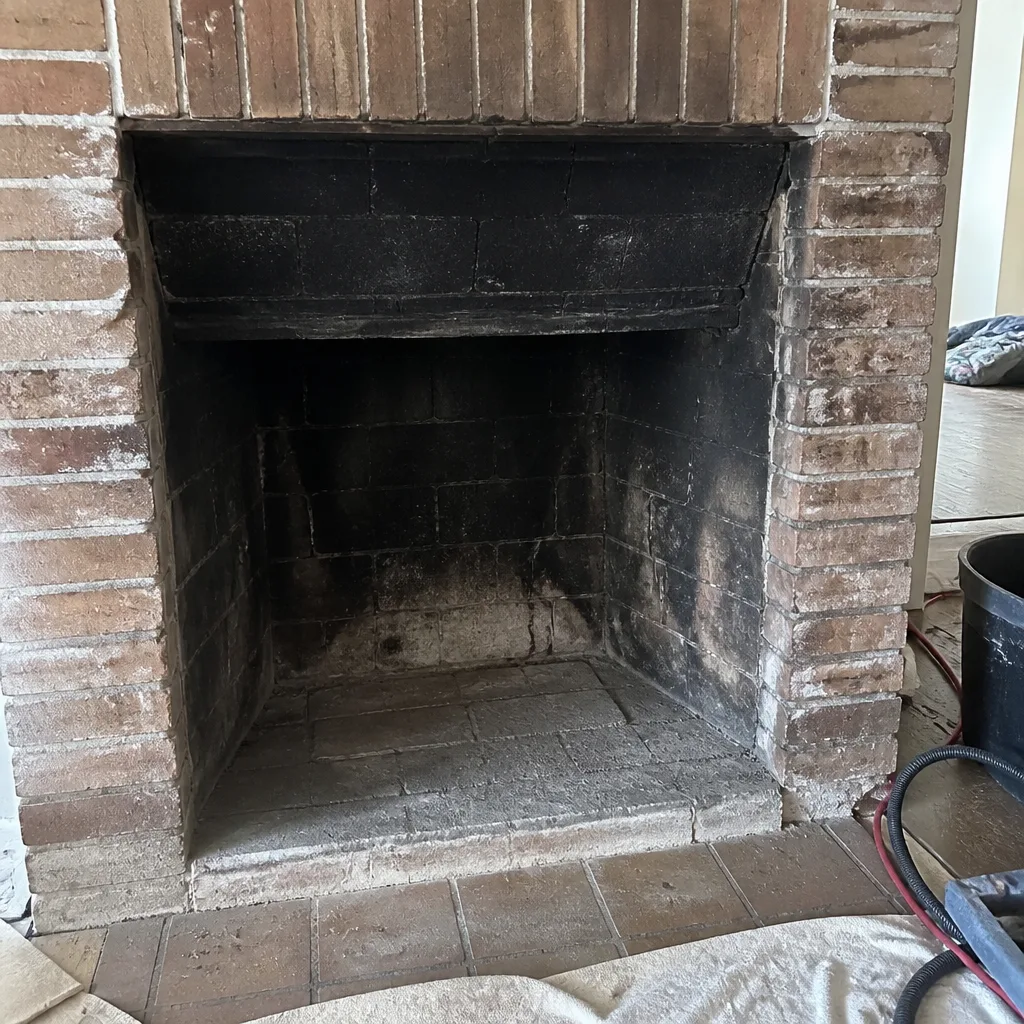 Before
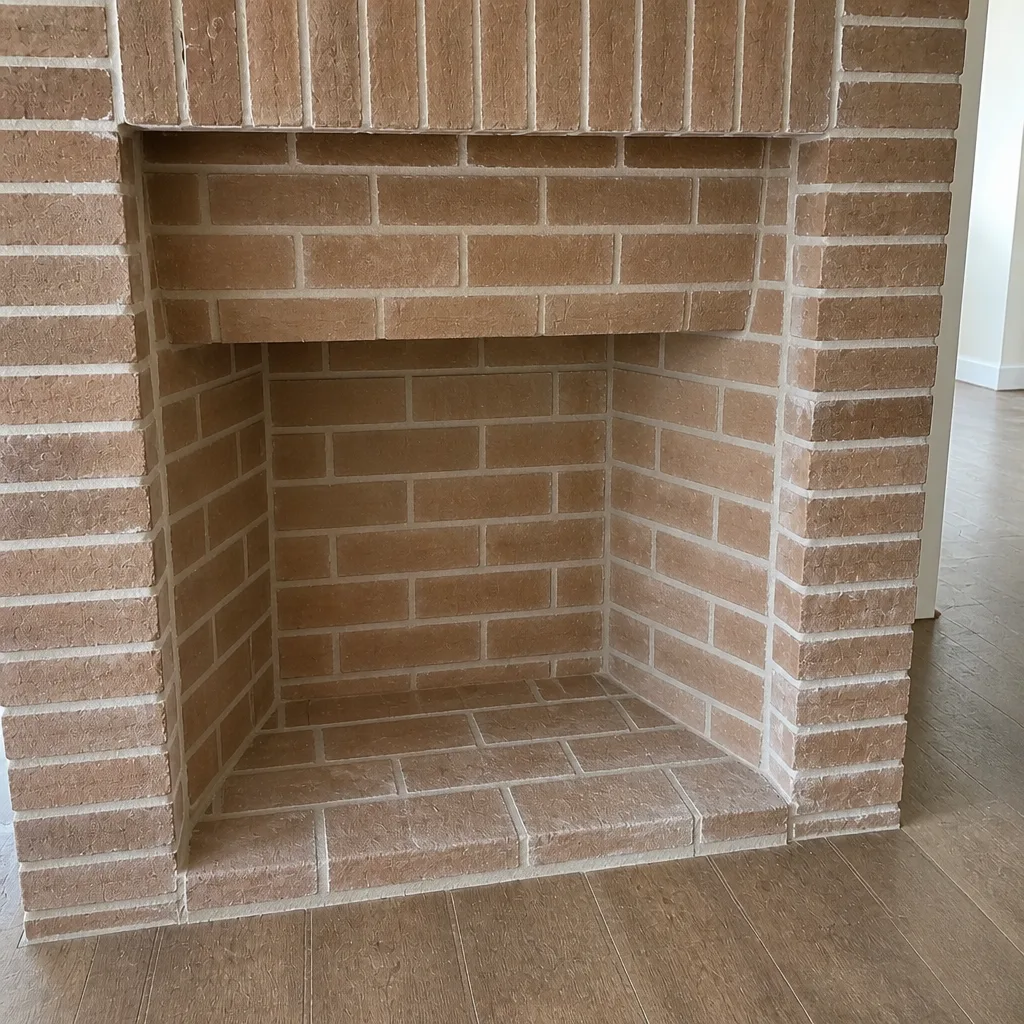 After
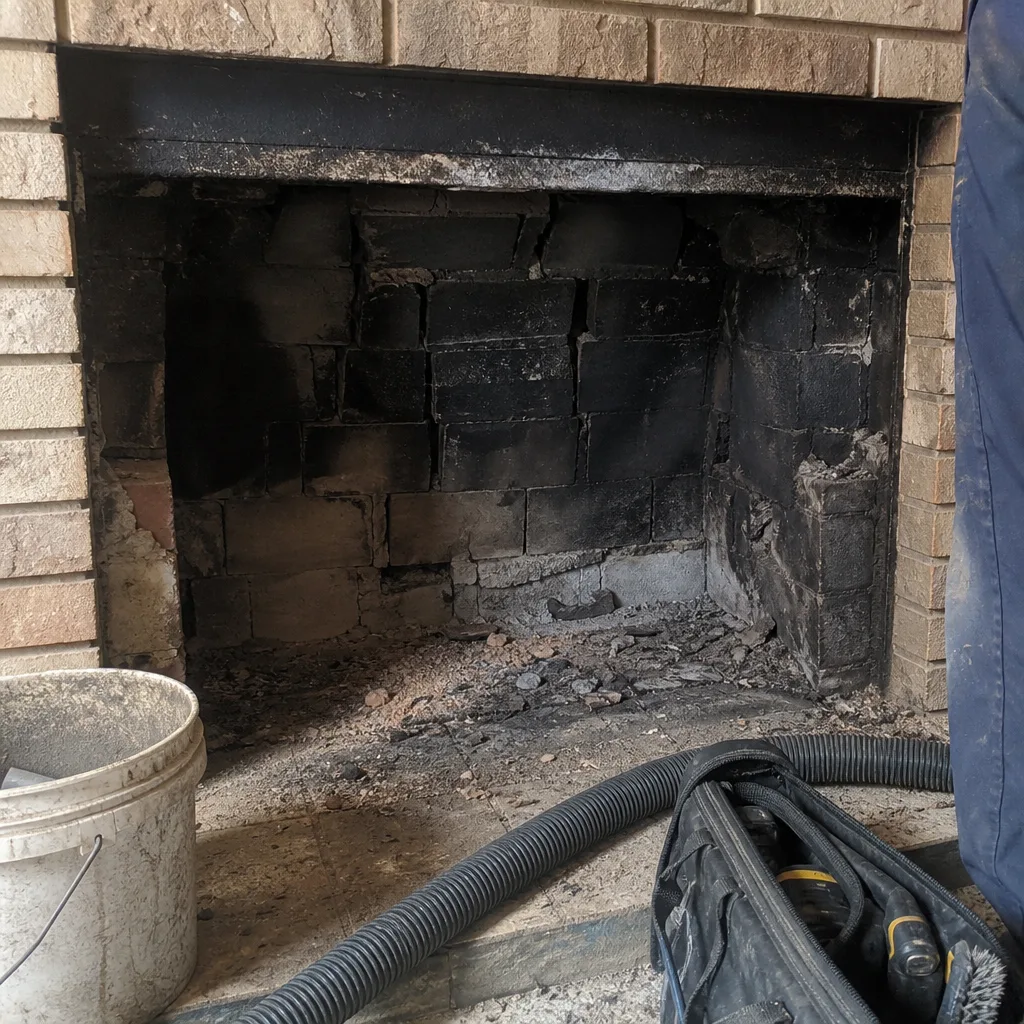 Before
 After
 Before
 After
When to Call a Professional
Call a professional any time you’ve had a fire event in the flue, a CO alarm, a persistent draft problem, or a visible sign of damage you can’t evaluate yourself. Call before you light the first fire of the season if the chimney hasn’t been swept or inspected in the last year. If a damper is stiff, if the firebox has cracking, or if the crown looks damaged from the ground, those are all things we look at before they turn into emergencies. The difference between the two paths is usually timing.
West Jordan Chimney Sweep offers free estimates in West Jordan. Call (866) 947-9321. We answer 24/7. Fast dispatch from 7am to 7pm, Sunday through Friday. Our technicians have up to 13 years of experience, and we work on the full chimney system, from sweeping and Level 1 and 2 inspection through liner restoration, structural repair, and cap and crown installation.
Frequently Asked Questions
A chimney fire often sounds like a low rumble or a distant roar, sometimes with a tapping or ticking in the pipe and a damper that vibrates. It can be quieter than people expect. Dense smoke at the roofline is the visual cue that pairs with it. If you hear sounds coming from the chimney that don’t match a normal fire, call 911.
No. A chimney that has had a fire event cannot be used again until a Level 2 inspection has been completed. The inspection confirms whether the liner is intact and whether the masonry or mortar has cracked from thermal shock. If you’re not sure whether a fire occurred, err on the side of inspection. Call (866) 947-9321 for an evaluation.
Get everyone outside and call the fire department. Don’t re-enter to open windows or investigate. Once the event is handled, the flue and the appliance need professional evaluation, because a blocked flue is a common cause of CO in homes with wood-burning or gas-burning fireplaces. We can run a Level 2 inspection to find the source.
Water hitting a hot firebox or flue can flash to steam, shatter masonry, and send burning material out of the firebox. It doesn’t safely put out a flue fire. Cut the air supply, close the damper if it’s safe, evacuate, and call 911. The fire department has the right equipment for a flue fire.
Most homes that burn wood should schedule a sweep and inspection every year. Homes that burn heavily, or that use a wood stove as primary heat through a Utah winter, may need it more often. The annual visit also catches cap and crown problems early. Call (866) 947-9321 to book a free estimate.
HeatShield liner restoration can extend the life of a compromised flue without a full liner tear-out. In more severe cases, the liner may need replacement with DuraFlex. The right answer depends on what the inspection camera shows, and our inspection includes a photo report so you can see the damage for yourself. Call (866) 947-9321 for an exact quote.
The Bottom Line
Chimney emergencies in West Jordan follow a pattern, and the pattern is interrupted by sweeping, inspection, and prompt attention to cap and crown problems. But when something goes wrong, the first ninety seconds matter: cut the air supply, close the damper if it’s safe, get out, call 911, and never pour water into the firebox. After any fire event, the chimney stays out of service until a Level 2 inspection confirms it’s sound. Keep the CO detectors working and placed near sleeping areas, photograph the damage before anyone cleans it, and schedule the maintenance visits before the coldest stretch of the season. We handle the full system, from cleaning through restoration, with professional materials from Gelco, Olympia Chimney, and Copperfield. One specialty, one call.
Written by the team at West Jordan Chimney Sweep.