
Last updated November 25, 2026
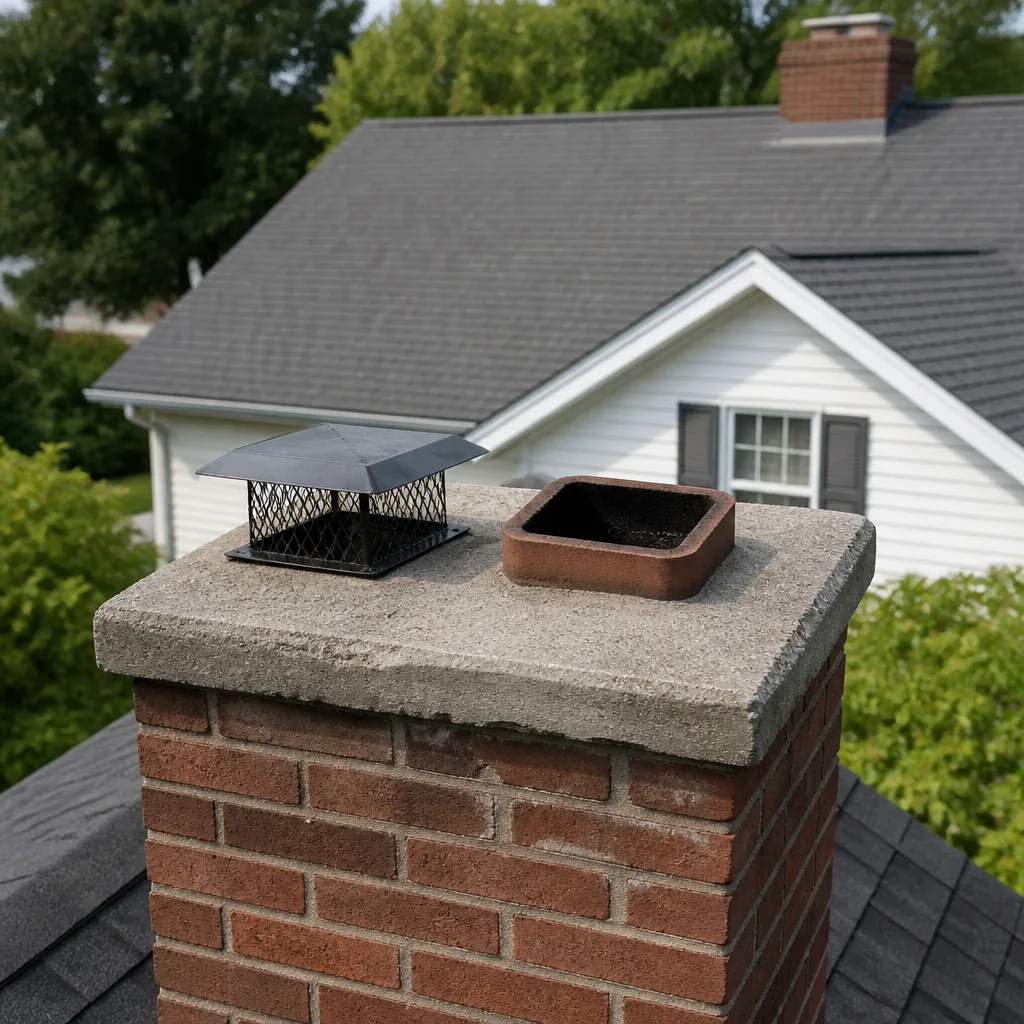 Sweep & inspection
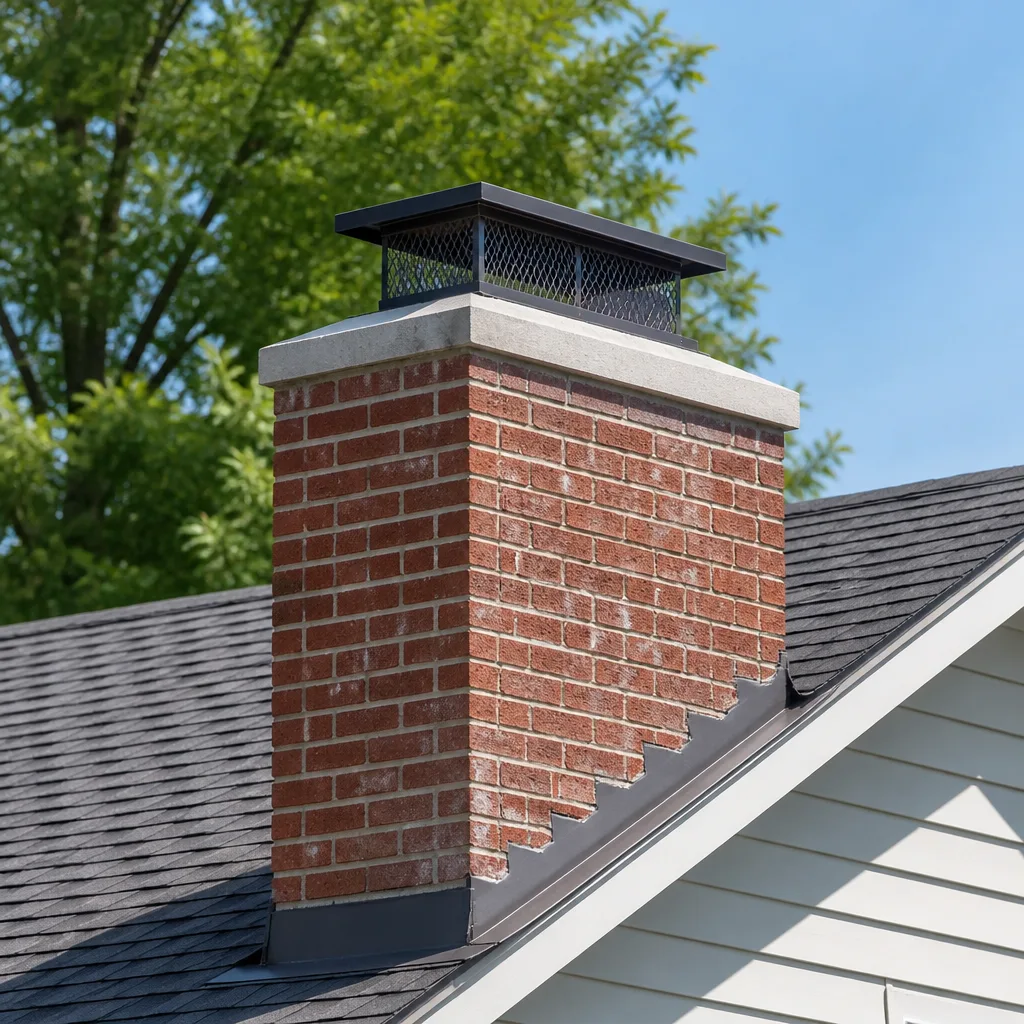 Caps & crowns
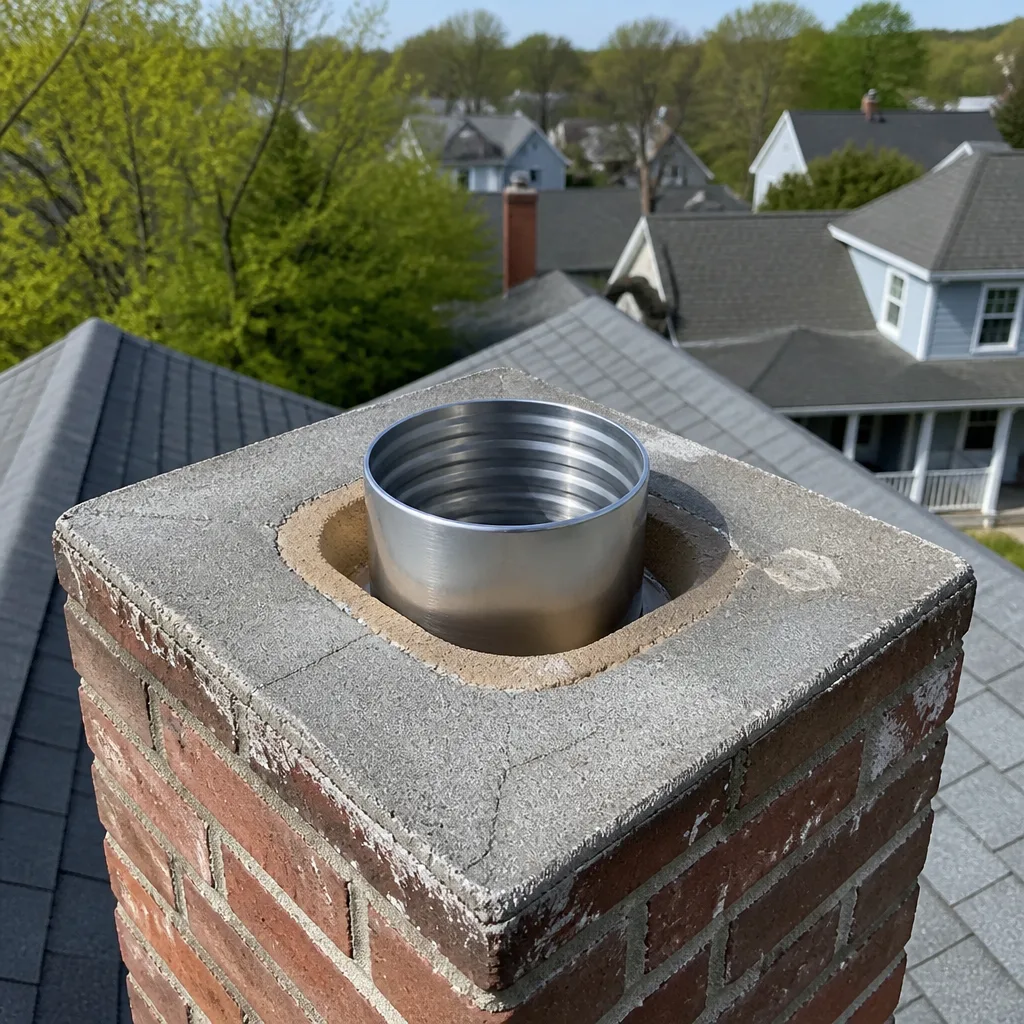 Flue relining
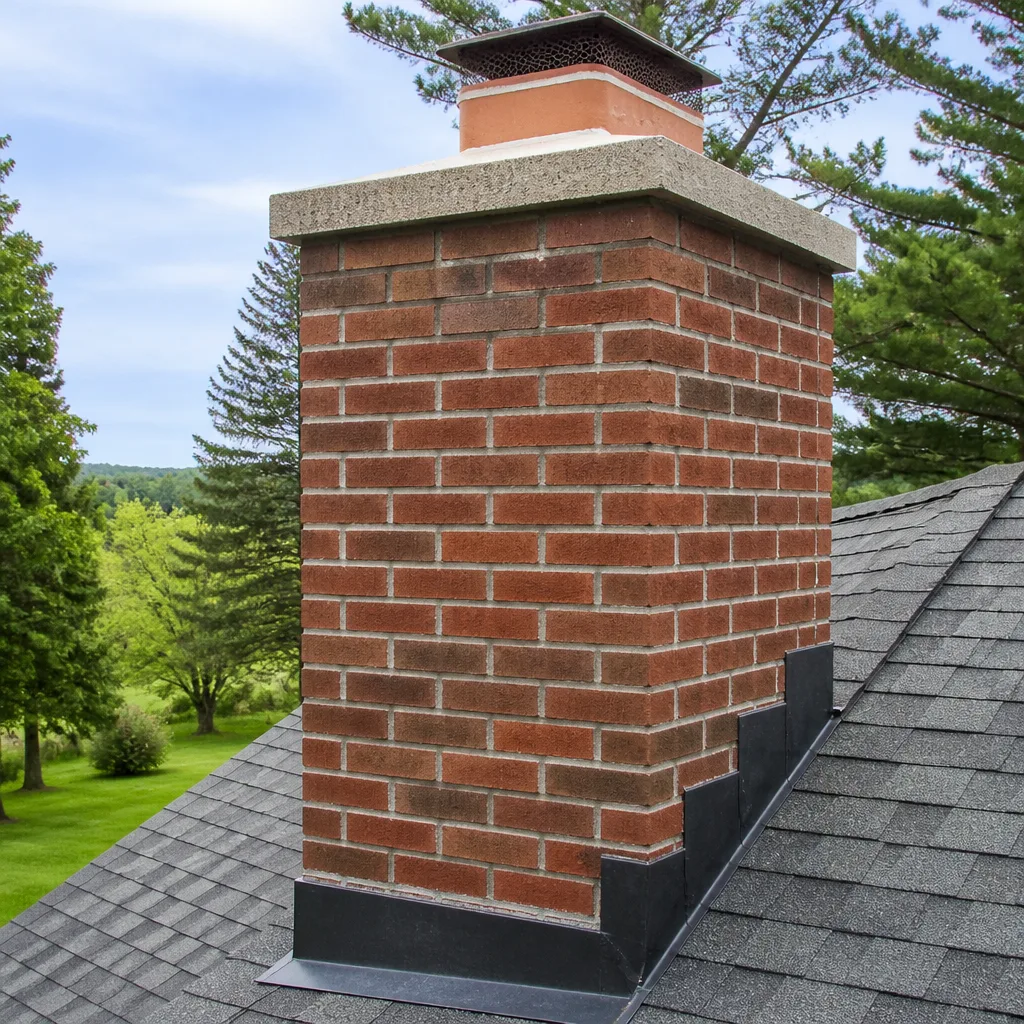 Masonry repair
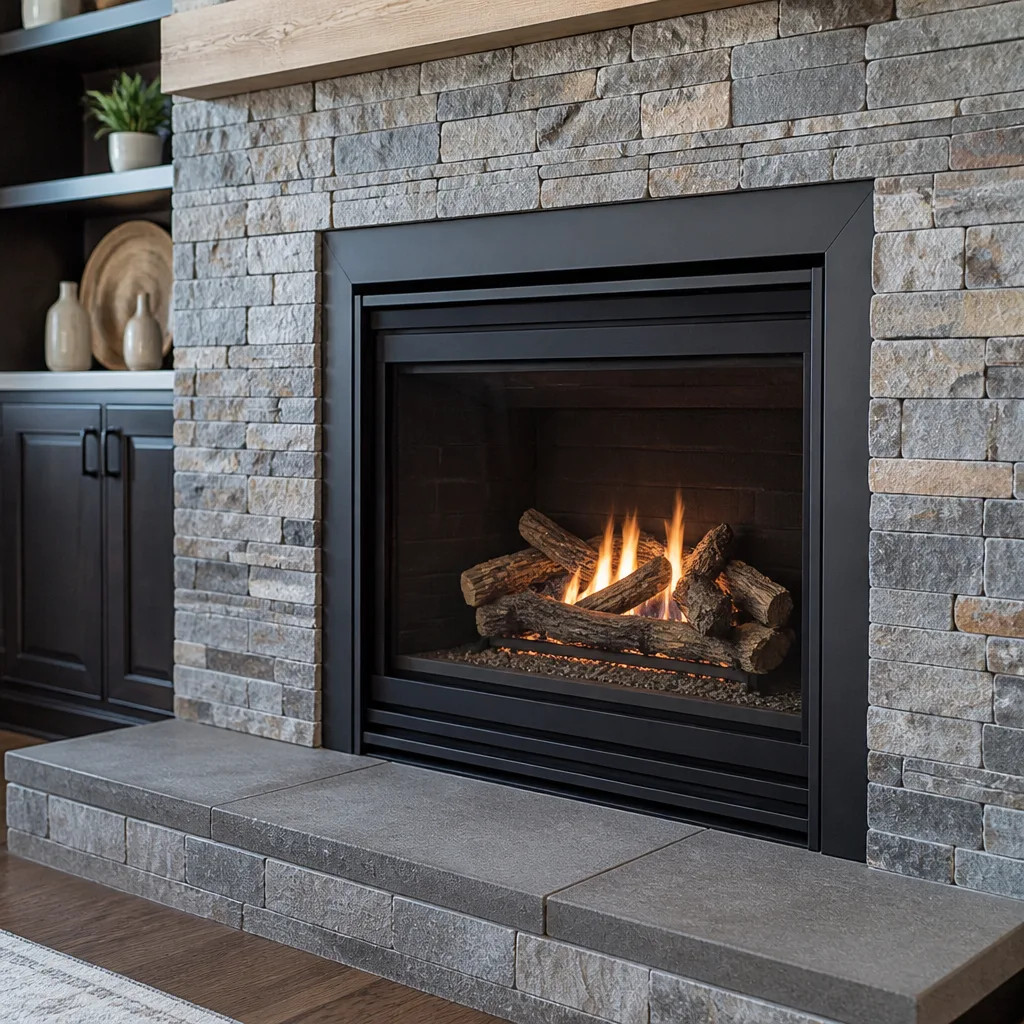 Gas fireplace service
Level 1 sweep and inspection to the NFPA 211 annual standard - flue, crown, cap, and flashing checked and photographed
Chimney sweep logs do not sweep chimneys. They loosen some creosote - which then falls where a brush and vacuum still have to collect it.
Chimney Sweep Maintenance Checklist for West Jordan Homeowners
The most dangerous item on any chimney maintenance checklist is “check the flue” – because homeowners read it, shine a phone flashlight into the firebox, and check the box, having seen nothing that matters. A phone light shows you the bottom of a flue and nothing else. The creosote glaze, the cracked liner joint, the collapsed smoke chamber that actually cause trouble sit above and behind what that light reaches. So this guide does something most checklists don’t: it draws a hard line between what you can verify yourself with your eyes and hands, and what needs a technician’s camera and tools. You’ll get pass/fail criteria you can actually use, the seasonal timing that fits West Jordan’s high-desert climate, and the items that get skipped on generic inspections.
Quick Answer
A working chimney maintenance checklist for a West Jordan home splits into two parts: the items you can safely inspect yourself (damper operation, firebox mortar, cap presence, visible crown cracks) and the items that require a technician with a camera and probe (flue liner condition, liner joints, smoke chamber, connector pipe). Schedule a sweep and inspection before each burning season starts, keep a written log for insurance and resale, and treat any mid-season sign of heavy creosote buildup as a reason for a professional check rather than a quick look with a flashlight.
Styles & brands we work with
- Sweep & inspection
- Caps & crowns
- Flue relining
- Masonry repair
- Gas fireplace service
Table of Contents
- The Two Columns of Any Real Checklist
- Homeowner Checkpoints You Can Verify This Weekend
- Technician-Only Checkpoints and Why You Can’t See Them From Below
- West Jordan Seasonal Timing: When to Sweep and When to Recheck
- How to Keep Records That Hold Up for Insurance and Resale
- The Five Components Most Checklists Miss
- Creosote, Carbon Monoxide, and the Lines You Don’t Cross
- When to Call a Professional
The Two Columns of Any Real Checklist
Every honest chimney checklist has two columns, and conflating them is where homeowners get into trouble. The first column holds things you can see, touch, and operate safely from the ground or from inside the house. The second column holds things that live inside the flue, behind the damper, or above the smoke shelf – places no flashlight reaches meaningfully. A checklist that puts “check the liner” in column one is misleading you, even if the wording sounds harmless.
Here’s the split in plain terms:
- Homeowner column: damper operation, firebox brick and mortar, fireplace screen and doors, visible cap presence, roof-level crown cracks from the ground or a safe vantage, ash pit door condition, obvious water stains on the ceiling or chimney breast.
- Technician column: flue liner condition, liner joints, smoke chamber geometry, connector pipe for inserts and stoves, ash dump seal, chase cover seams, creosote depth and glaze stage, crown seal at the flue, spark arrestor mesh condition.
The reason the split matters in West Jordan is the housing stock. Much of the city is masonry fireplaces and framed chimneys built across several decades, and those chimneys come in more configurations than a generic checklist accounts for. The only way to know which configuration you have is to have it looked at properly at least once, which is exactly what a professional inspection is for.
Once you know your system, the checklist stops being a generic list and becomes a specific set of tasks for your house. That’s the shift this guide is designed to create.
Homeowner Checkpoints You Can Verify This Weekend
These are the items you can check yourself, safely, without climbing on the roof or reaching into the flue. Each has a pass/fail criterion, so you’re not guessing.
1. Damper operation. Open and close the damper by hand. Pass: it moves smoothly, seats fully, and stays open on its own. Fail: it sticks, drops, doesn’t seat flush, or you can close it completely while a fire is burning against code intent. A damper that won’t stay open is a smoke and carbon monoxide risk.
2. Firebox mortar and brick. Look at the firebox walls and floor. Pass: mortar joints are tight, no mortar crumbles when you press it lightly with a screwdriver handle, no bricks are loose or spalling. Fail: crumbly joints, missing mortar, a loose brick, or white chalky staining that suggests moisture.
3. Fireplace doors and screen. Pass: doors latch, glass isn’t cracked, screen mesh is intact. Fail: bent frames, torn mesh, glass with chips or cracks. This is a safety item, not cosmetic.
4. Cap presence from the ground. Step back far enough to see the chimney top. Pass: a cap with mesh sides sits on the flue. Fail: no cap, a cap sitting crooked, or mesh visibly rusted through. Famco and Gelco caps are the sort of durable cap we install when a homeowner wants something that will actually stay put.
5. Crown cracks from the roofline. From the ground, look for the flat concrete crown at the very top of the chimney. Pass: crown is intact with a slight slope away from the flue. Fail: visible cracks, a crown that has separated from the flue, or missing chunks. Do not climb onto the roof to check this – a roofline view answers the question safely.
6. Interior warning signs. Pass: no staining on the ceiling or chimney breast, no draft smell. Fail: water stains, efflorescence, smoke smell in the room after a fire, or a piece of masonry came loose inside the box.
If every one of those passes, you’re in good shape until your next technician visit. If any fail, note it in your log and get it looked at before you burn again.
Technician-Only Checkpoints and Why You Can’t See Them From Below
The reason these checkpoints can’t be eyeballed from the firebox isn’t laziness – it’s geometry. A chimney flue is a vertical shaft. From the firebox, you’re looking up at a rectangle of sky a story away. Any obstruction, glaze, offset, or joint failure higher up is invisible from that angle.
The technician checkpoint list we work from includes:
- CCTV flue scan. A camera on a rod runs the length of the flue. It shows glazed creosote, spalling, cracks, joint failures, and blockages. Without this, “the liner looks fine” is a guess.
- Liner joint inspection. Sectional liners are joined end to end. If the technician can’t see the joints, they can’t tell you whether the flue is actually contained. Chimney repair almost always starts at a liner joint.
- Smoke chamber geometry. The smoke chamber sits above the damper and below the flue. It’s often corbelled brick with rough surfaces where creosote accumulates. A camera through the damper is the only way to see it clearly – and HeatShield can restore a smoke chamber that a sweep-only service just brushes at.
- Connector pipe (for inserts and stoves). The pipe between the appliance and the flue is a hotspot for creosote and leaks. It’s not visible without pulling the appliance or using a camera.
- Crown seal at the flue. The seam where the flue tile meets the crown is a common leak path. It can be checked up close by a technician and repaired with a proper crown seal – visible cracks from the ground only show the surface.
- Creosote glaze measurement. Glaze stage is a physical property, not a visual one. The technician can tell you whether creosote is at stage 1 (flaky), stage 2 (crusty), or stage 3 (glazed and glassy) – and stage 3 needs more than brushing.
Every one of these checkpoints matters in West Jordan because the same housing pool contains masonry flues, prefabricated metal flues, wood-burning inserts, and the occasional older chimney with tile that’s seen decades of use. Any single home can be more than one of those. Here’s the line to remember: chimney sweep visits include a basic visual check, and a full scan is the next level up when the visual check turns up something worth confirming.
West Jordan Seasonal Timing: When to Sweep and When to Recheck
Timing in West Jordan is not a calendar constant – it’s driven by the burning season and the weather that brackets it. Here’s the framework we recommend:
Late summer through early fall: schedule a pre-season sweep and inspection. The goal is to start the burning season with a clean flue and a documented condition report. If the inspection flags a liner or crown repair, you still have time to get it done before the first cold snap when every other homeowner calls at once.
Late fall through early spring: burn. This is when a fireplace or wood insert earns its place in the house. Keep the log current, and if the way your fire drafts changes – smoke rolling into the room instead of up the flue – stop burning and get a check.
Mid-season, after heavy stretch use: a mid-season check is warranted if you’ve burned steadily for weeks, if your wood has been wetter than you thought, or if you’ve noticed a heavier smell when you open the firebox. You don’t need a full tear-down; a technician check is the answer.
Spring: the best time to catch exterior damage. West Jordan winters alternate freeze-thaw cycles with dry spells, and that pattern is what opens crown cracks and mortar joints. A spring look at the cap and crown saves more money than any other seasonal habit.
Before selling or buying: schedule a full inspection with documentation. Buyers and their agents ask for it, and a documented report is worth more than a handshake.
A practical rule: two technician visits a year – one before the season and one in spring – cover the whole framework. If you burn heavier than average or you’ve just moved into a home with an unknown chimney history, add a mid-season check the first year so you know what you’re working with. If the inspection report says a repair can wait, it can wait – we tell homeowners that regularly. The point of the seasonal rhythm is to stop guessing.
How to Keep Records That Hold Up for Insurance and Resale
A checklist is only useful if it produces a record. The format matters less than the consistency – and the format insurance companies and buyers actually want is a simple written log, dated, with the name of the company and the technician who did the work. Here’s a structure that works:
- A single logbook kept in the home office or with the deed folder. Analog is fine. A spreadsheet works equally well if you’ll actually keep it up.
- Every entry dated, with the service performed. “Swept – light soot” or “inspection, Level 2 – liner joints checked, one joint sealed” is the level of detail that holds up.
- The written inspection report attached. If the technician provided a camera report or a written condition finding, keep it. That’s the document that answers questions later.
- Photo of the chimney top at each service, if the technician provides one. A dated photo of your cap and crown is worth more than a paragraph of description.
- Any repair work itemized with materials. If a cap was replaced, note the brand. Famco and Gelco caps, HeatShield liner restoration, DuraFlex liner sections – naming what went in lets a future inspector or buyer know what they’re looking at.
- Annual review. Once a year, read back through the log. That’s when you’ll spot the pattern – the same crown crack reopening, the same damper sticking, the same amount of creosote building up faster or slower than last season.
For Utah homeowners insurance purposes, the written log represents diligence. If a claim is ever questioned, that log is your evidence that the chimney has been maintained, not neglected. For resale, it’s the same document the buyer’s inspector will ask about. A produced record beats a recollection every time. When you book service with us, ask for the written documentation to be provided and keep it with your log – that’s how a one-time service turns into a maintenance file.
The Five Components Most Checklists Miss
Generic checklists tend to stop at “sweep the flue and look at the firebox.” Performed that way, they miss the parts of the system that cause the most damage.
- Smoke chamber. The brick or corbelled area above the damper accumulates creosote against rough surfaces and, on older chimneys, causes a draft problem that shows up as smoke rolling into the room. It needs sweeping and, if pitted, a HeatShield restoration – brushing alone doesn’t fix a rough smoke chamber.
- Connector pipe. For wood inserts and freestanding stoves, the pipe connecting the appliance to the flue is a hotspot for creosote accumulation and cracks. A generic sweep of the firebox doesn’t address it – the appliance has to be accessed.
- Ash dump seal. The ash dump door at the bottom of the firebox is often overlooked. A warped or missing seal lets air in, changes the fire’s draft, and allows ash dust into the cellar or crawlspace. It’s a small part with an outsized effect on how the fire behaves.
- Chase cover seams. If your chimney runs in a framed chase, the metal cover on top is the roof for that chase. Seams separate over time and let water in, which rusts the flue and rots the framing. It’s not visible from a firebox; it’s visible from the roof.
- Liner joints. Sectional liners are joined at intervals. Joints that have shifted or cracked allow flue gas into the surrounding masonry or chase. A camera scan found the problem; only an inspection found the camera. This is where liner joint repair most often starts.
If your chimney includes a wood-burning fireplace insert, the connector pipe and liner joint checks are the two most important technician items on the whole list. Skip them and the rest of the checklist is doing lip service to safety. Fireplace repair rarely starts with the pretty part of the fireplace – it usually starts with one of these five.
Creosote, Carbon Monoxide, and the Lines You Don’t Cross
Two hazards drive the entire maintenance framework: creosote and carbon monoxide. Both are real, both are documented, and both are worse when a chimney is neglected. Neither is caused by a missing sweep in the abstract – they come from the specific buildup inside the specific flue.
Creosote is the tar-like residue of incomplete combustion. It builds in three recognizable stages – flaky, crusty, glazed – and stage 3 (glazed and glassy) is the most flammable and the hardest to remove. A flue with substantial glazed creosote is a fire risk each time a fire burns, because that glaze can ignite. Sweeping at the right intervals, burning well-seasoned wood, and not choking down the air supply are the three habits that keep creosote in check. Once it reaches stage 3, brushing isn’t the answer; the technician needs to remove it properly, often with a chemical sweep product before a mechanical sweep.
Carbon monoxide is the colorless, odorless gas that can enter a home when a flue is blocked, disconnected, or improperly draft. Your best defense is a working CO detector on every level and near sleeping areas, plus an annual technician check of the flue and connector pipe. If a CO alarm ever sounds, treat it as an evacuation, not a diagnostic puzzle. Get everyone out, then call for help – not a technician first, not a phone flashlight check.
Two hard lines to observe:
- Never burn paper, trash, or treated wood in a fireplace. It adds tar to the flue and can cause flash fires.
- Never sweep your own flue with a consumer brush on a rod. It can dislodge liner pieces, and any glazed creosote can ignite during the attempt. This is a trained-technician job, every time.
Both hazards respond to the same maintenance rhythm: clean flue, sound liner, capped top, working CO detector. That’s the safety case for the checklist, and it’s the reason we tell homeowners not to skip a season – not to sell a service.
Common Mistakes to Avoid
- Checking the flue with a phone flashlight and calling it done. That light shows you the bottom of the firebox floor and a rectangle of sky. It doesn’t show you liner joints, glaze, or the smoke chamber – all of which sit out of sight.
- Waiting for a problem before scheduling the sweep. The pre-season sweep is the cheapest insurance you can buy for a wood-burning home in West Jordan. Skipping it because last year’s service “looked fine” is how stage 3 creosote builds unnoticed.
- Believing a generalist contractor’s chimney “check” is a real inspection. A handyman with a ladder isn’t running a camera down the flue. Ask whether the inspection includes a CCTV scan and liner joint check, and get the answer in writing.
- Ignoring the crown cracks you can see from the ground. West Jordan’s freeze-thaw cycle opens masonry joints every winter. A crown crack that’s cosmetic in June can be a leaking seam by October.
- Skipping the cap. An uncapped flue is an open door for rain, snow, birds and downdraft. A properly installed Famco or Gelco cap solves the problem for a modest cost and ends the annual bird-nest clean-up.
- Not keeping the record. Insurance companies and buyers ask for written documentation. That log is your evidence of diligence, and a verbal “we had it swept a few years ago” doesn’t hold up.
- Burning unseasoned wood to save money. Green wood produces more creosote per hour of burn and costs more in sweep frequency than it saves in firewood.
See the difference
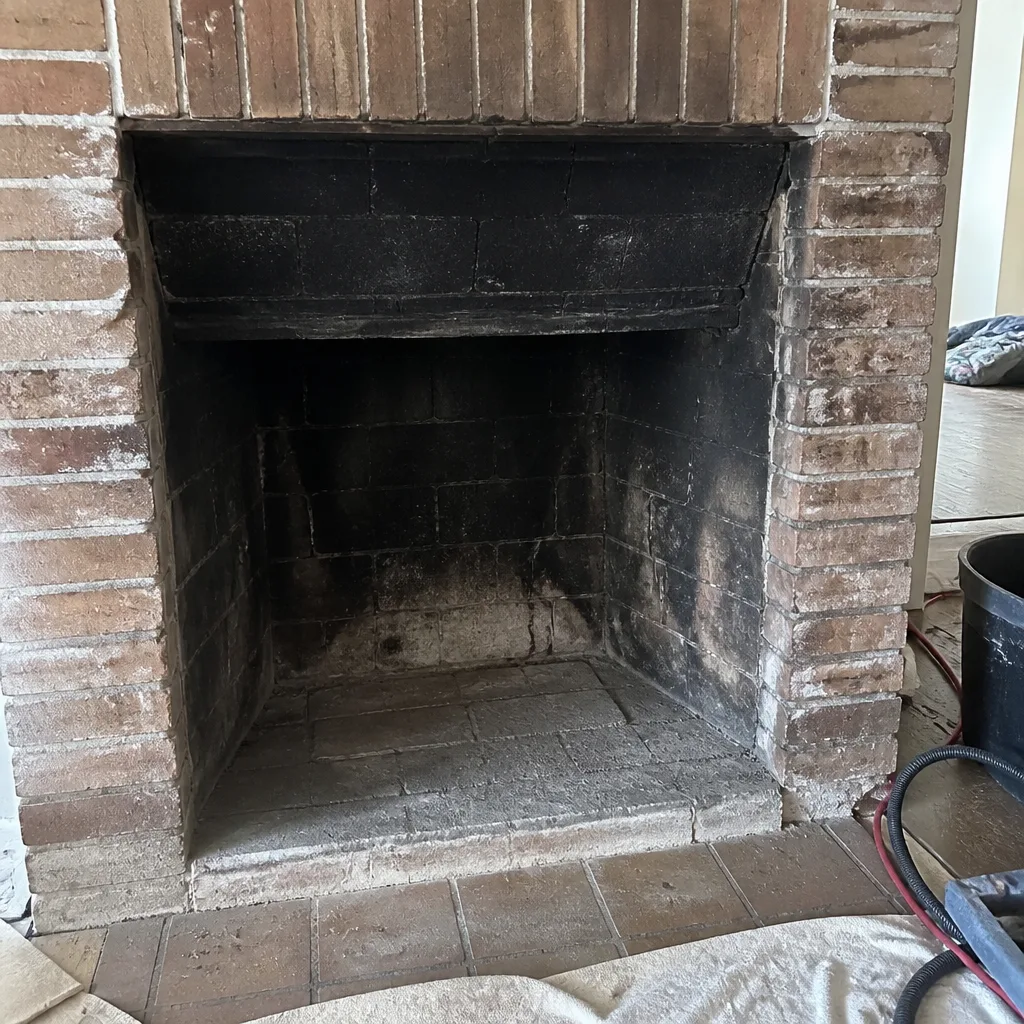 Before
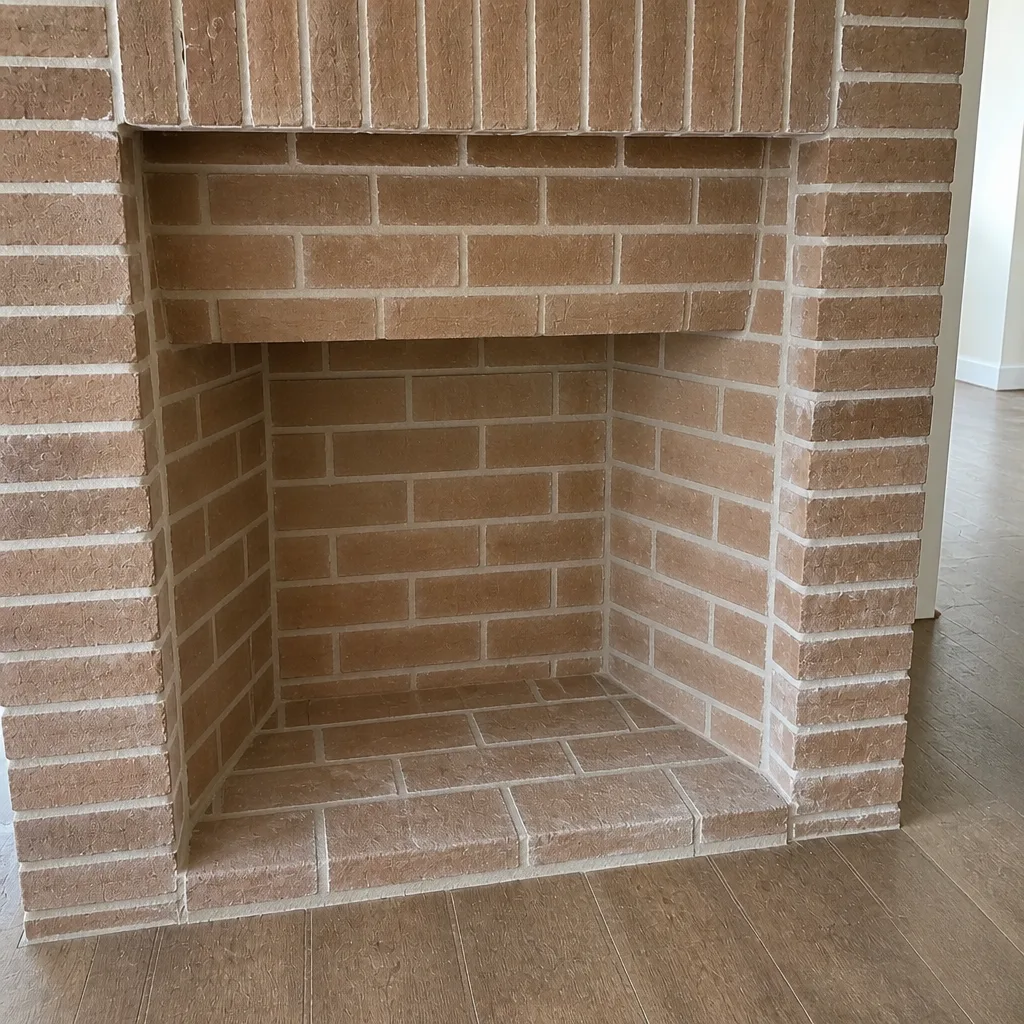 After
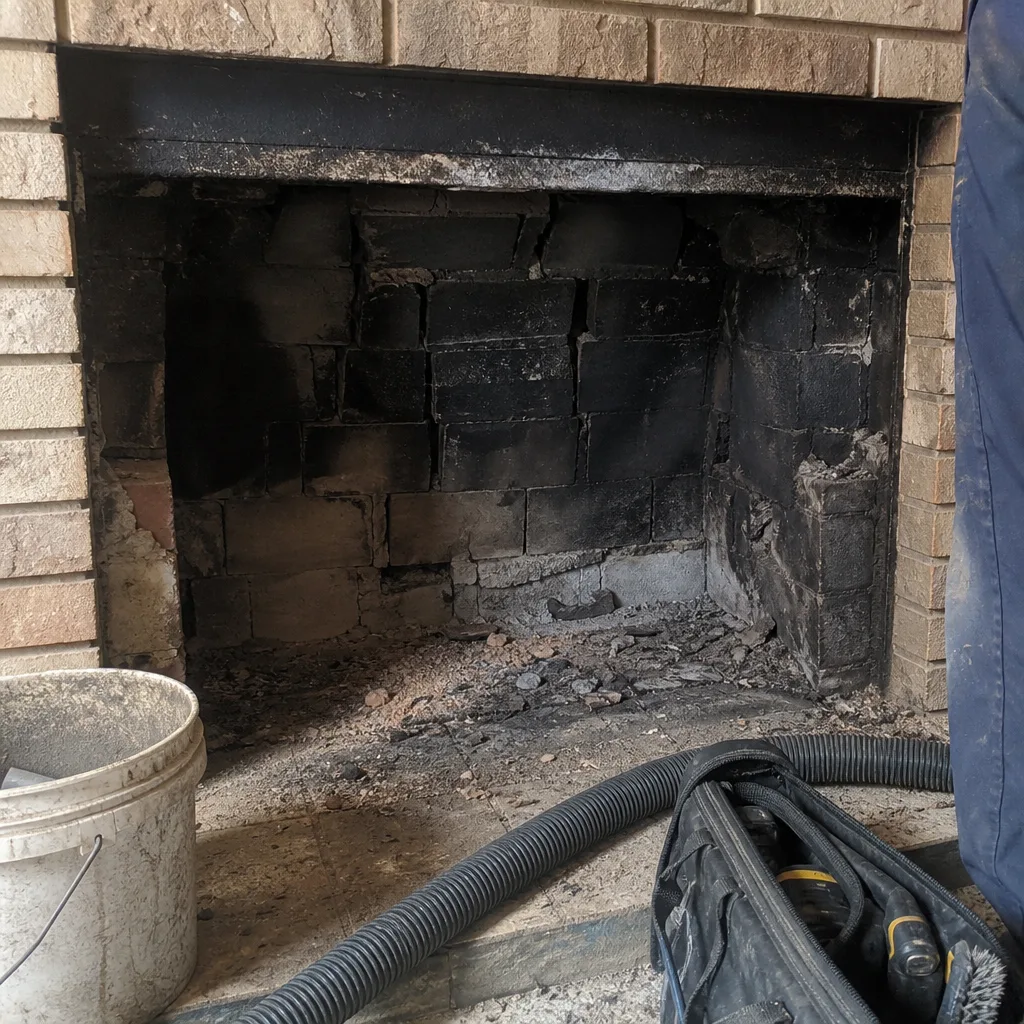 Before
 After
 Before
 After
When to Call a Professional
Some checklist items are clearly homeowner territory. Others are clearly not. Call a professional if any of the following are true: your damper won’t open smoothly or seat properly; you see cracked or crumbling mortar in the firebox; the cap is missing, crooked, or rusted through; the crown shows cracks from the ground; you’ve had water staining on the ceiling or chimney breast; a CO detector has ever sounded in the home; you’ve moved into a West Jordan home with no chimney history and you don’t know when the last sweep was; it’s been more than a year since your last technician visit; or you’re preparing to sell or buy and need documented inspection.
West Jordan Chimney Sweep offers free estimates in West Jordan – call (866) 947-9321. We answer 24/7. Fast dispatch from 7am to 7pm, Sunday through Friday. Our technicians have up to 13 years of experience, and the whole system is our focus – sweep, inspection, fireplace repair, chimney repair, cap and crown – so you’re not handing the flue off to a generalist contractor who shows up between gutter jobs. One specialist from inspection through repair, start to finish.
Frequently Asked Questions
A homeowner-verifiable set (damper, firebox mortar, cap presence, crown cracks, doors and screen, interior stains) plus a technician-verified set (flue liner, liner joints, smoke chamber, connector pipe, ash dump seal, chase cover, crown seal, creosote stage). The two sets cover different parts of the same system, and both are needed for a complete maintenance picture. Booking a sweep and inspection together is the simplest way to check every item on the list at once.
Once a year for most homes, ideally before the burning season starts. If you burn heavier than average, use a wood insert, or notice the fire drafting poorly mid-season, add a mid-season check. Annual sweeping is the standard because creosote accumulation is seasonal; letting a full year pass after heavy burning is how glaze forms.
No – not meaningfully. A phone flashlight from the firebox reaches a few feet up the flue at best. Liner joints, glaze, and the smoke chamber are above and behind what that light can illuminate, which is why every technician checkpoint on this list requires a camera or probe. If you want to see inside your flue, ask for the camera scan during your inspection.
Keep a single dated logbook with each service noted, attach the written inspection report and any camera or photo evidence, itemize repair materials by brand, and review the file annually. The log is what demonstrates diligence if a claim is ever questioned. It’s also what sellers hand buyers, and what buyers expect when they request documentation.
A sweep cleans the flue and firebox. An inspection evaluates the system’s condition – liner, joints, smoke chamber, cap, crown. They’re frequently booked together because each informs the other: a sweep can reveal a rough smoke chamber that needs restoration, and an inspection can find glaze that brushing alone won’t remove. A professional company should offer both and tell you which one your home actually needs.
A cracked or deteriorated ceramic liner is a real safety issue and gets addressed with repair or restoration rather than left alone. HeatShield liner restoration can extend the life of a compromised flue without a full tear-out on the right kind of damage. DuraFlex liners are the alternative when the damage calls for a new liner. Either way, the decision comes from the camera report, not from a pitch – ask to see what the technician saw before any work is scheduled. Call us for a free estimate.
The Bottom Line
A checklist works when it hands you a division of labor you can actually execute. You check the damper, the firebox mortar, the cap from the ground, the crown cracks, and the interior stains – and you log what you find. The technician checks the flue liner, the joints, the smoke chamber, the connector pipe, and the crown seal with tools that reach where your eyes can’t. Together, those two columns cover the whole system. West Jordan’s freeze-thaw cycle makes spring the best time to catch exterior wear, and the pre-season sweep keeps your wood-burning chimney safe and ready. If you’re not sure where to start, book a sweep, ask for the inspection report, and keep the log. That log is the cornerstone of everything else.
Call (866) 947-9321 for a free estimate. Our technicians have up to 13 years of experience, and we work with professional-grade materials from DuraFlex, HeatShield, Famco, Gelco, Olympia Chimney, and Copperfield. West Jordan Chimney Sweep – one specialist for the whole chimney system.
Written by the team at West Jordan Chimney Sweep.