
Last updated November 25, 2026
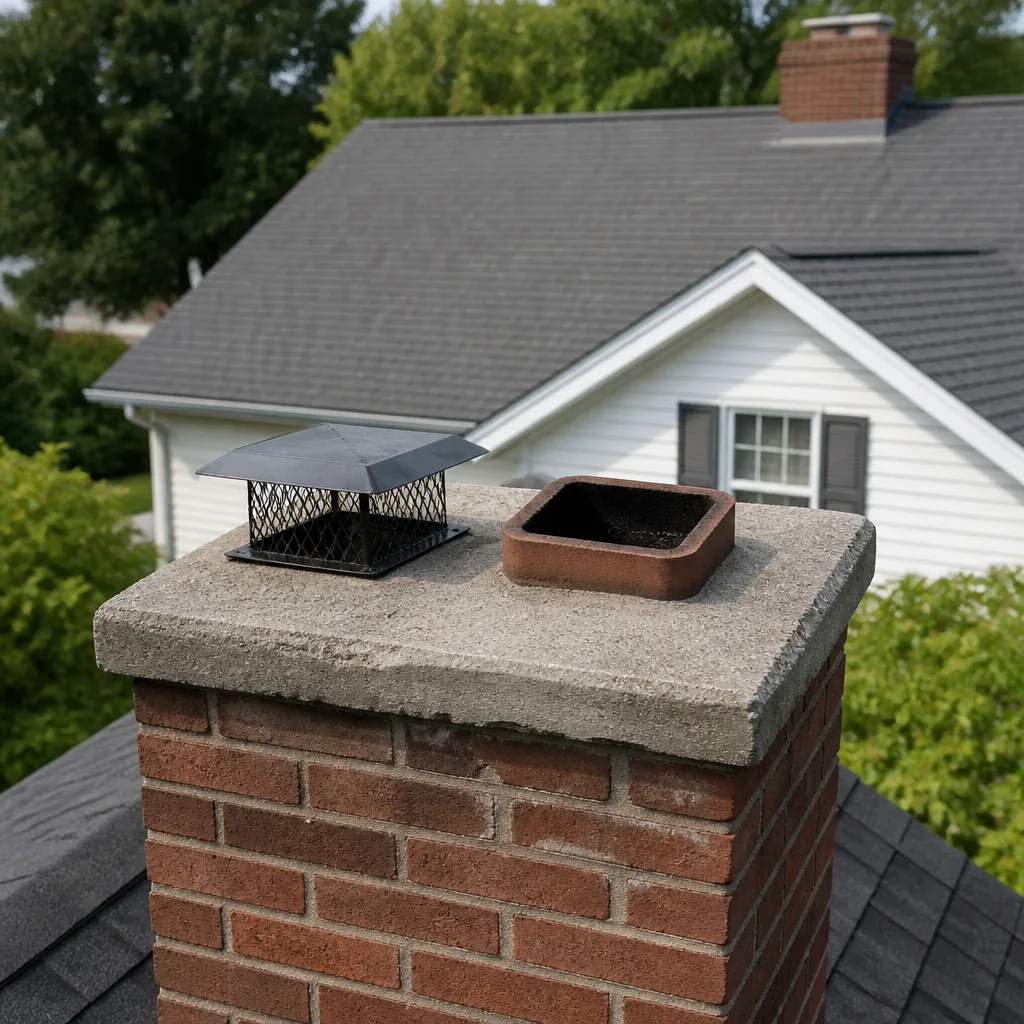 Sweep & inspection
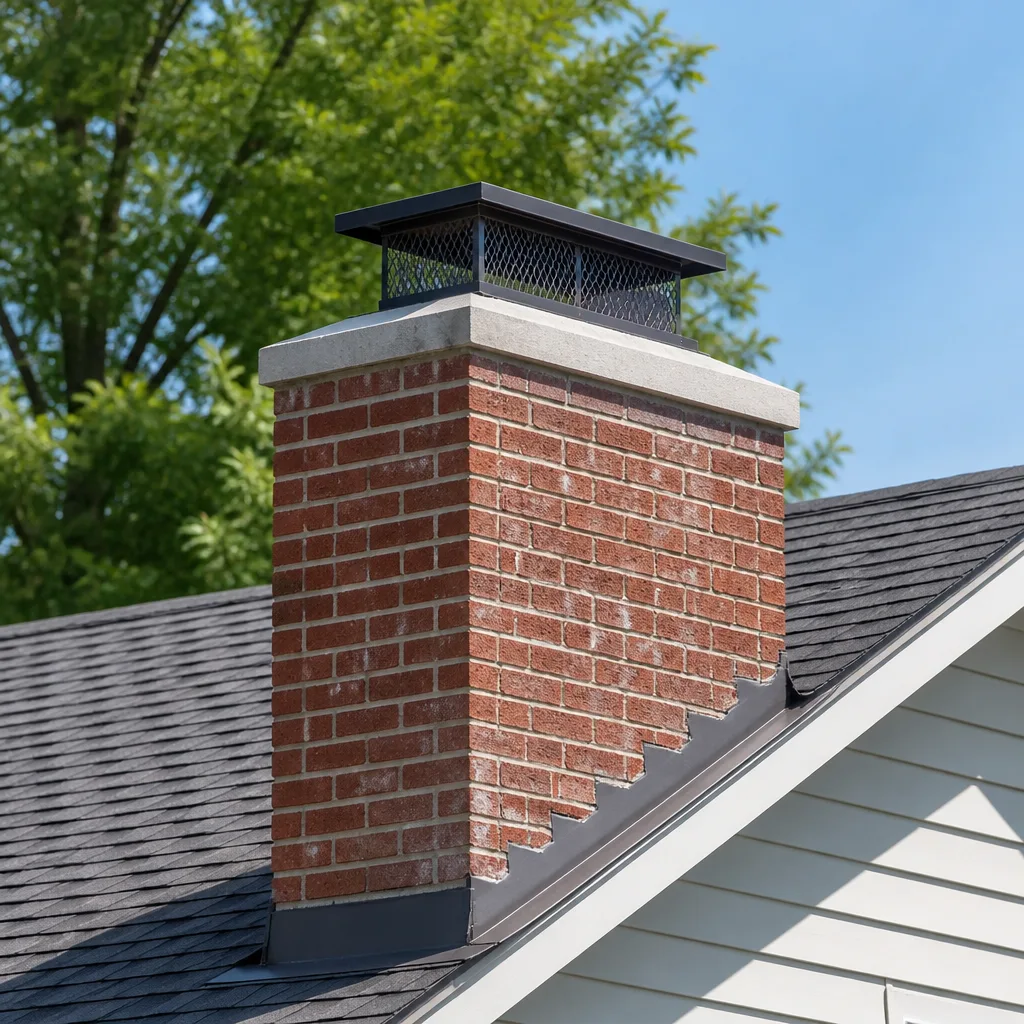 Caps & crowns
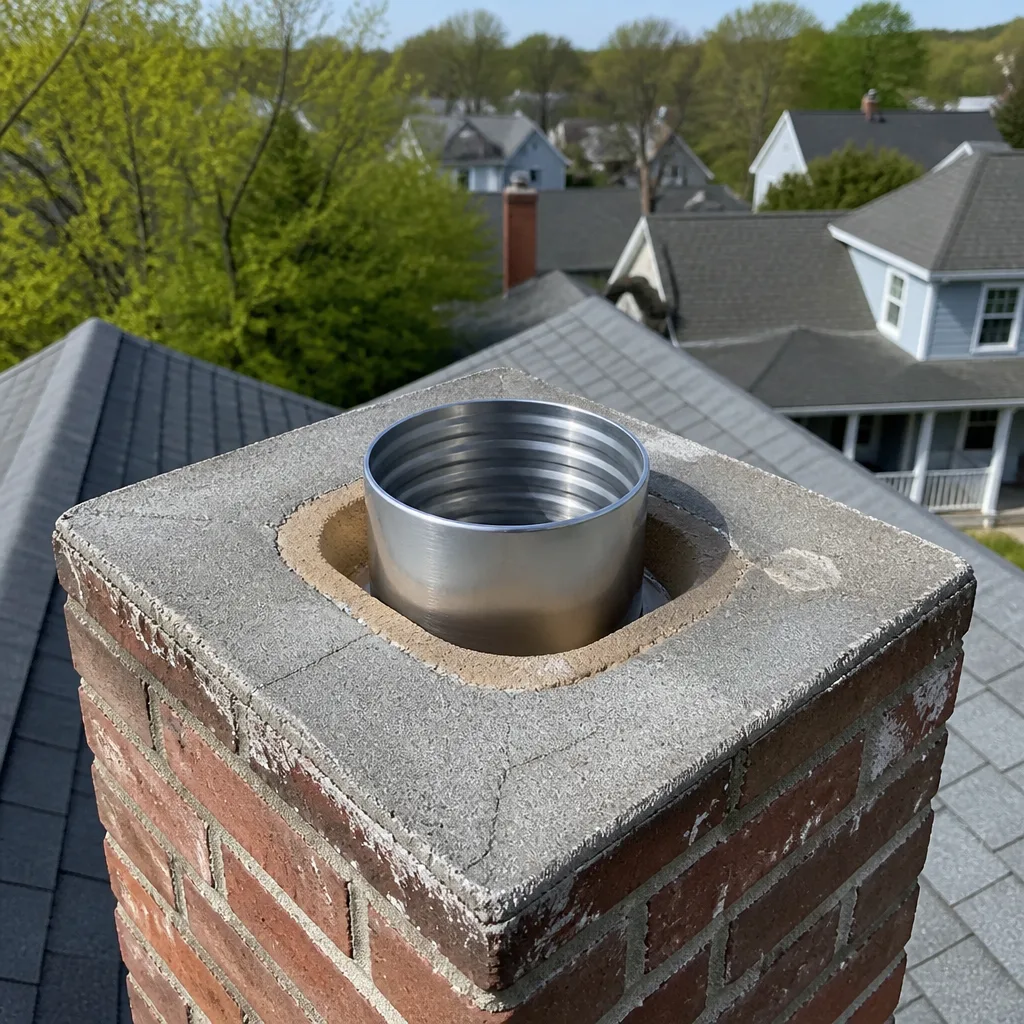 Flue relining
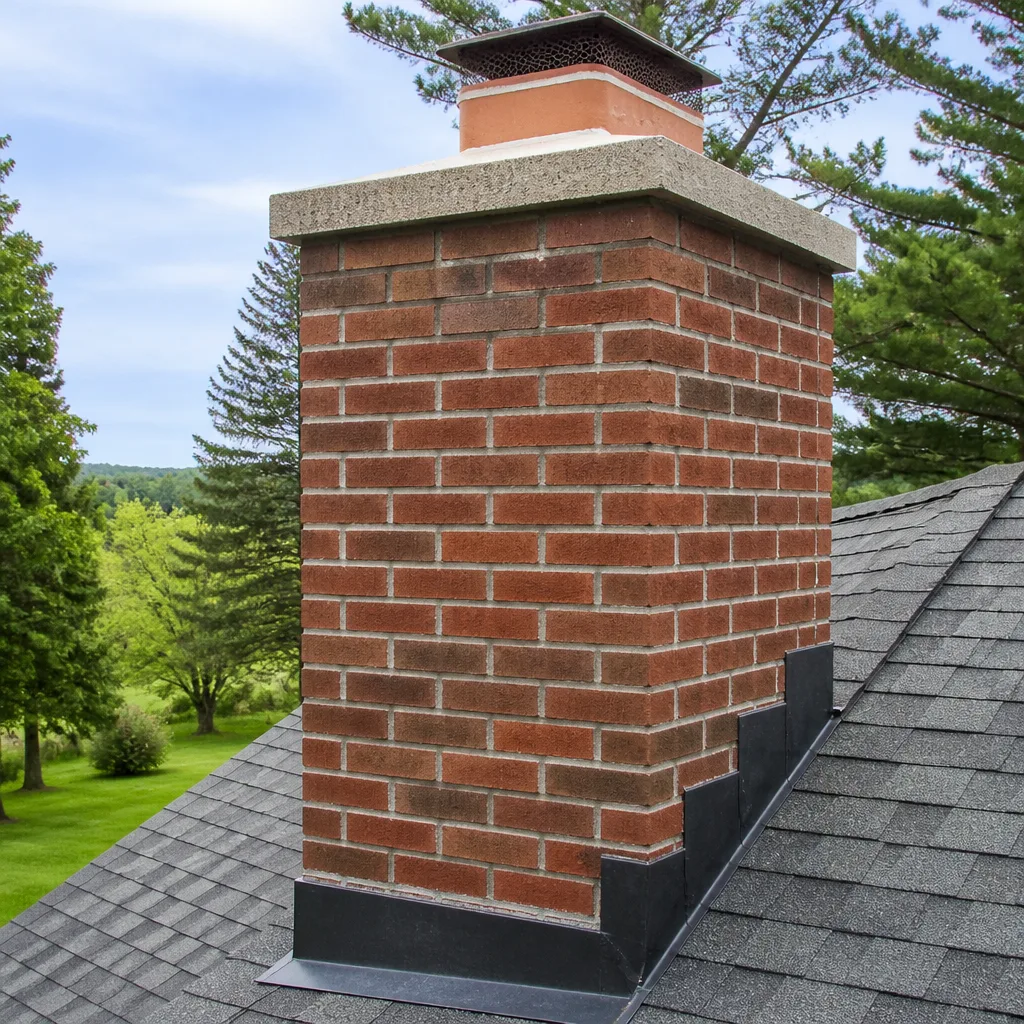 Masonry repair
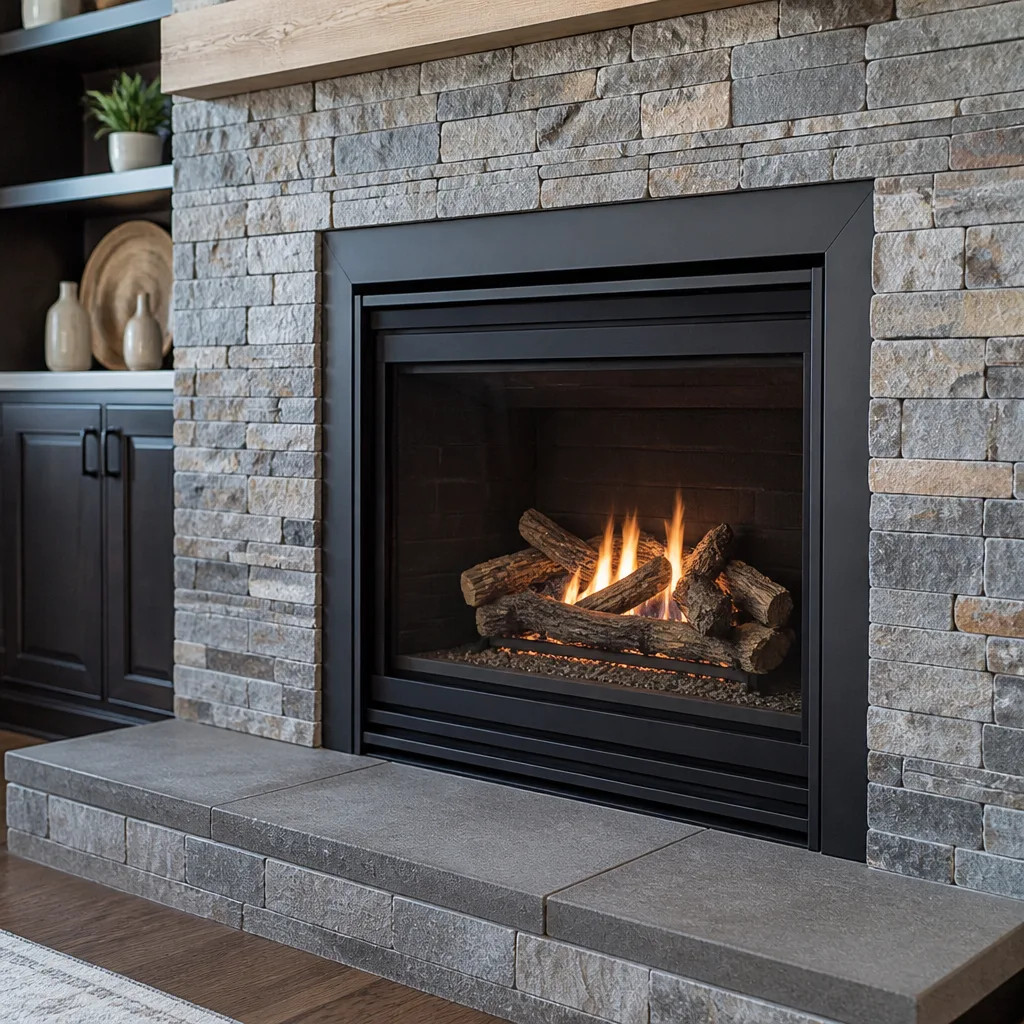 Gas fireplace service
Level 1 sweep and inspection to the NFPA 211 annual standard - flue, crown, cap, and flashing checked and photographed
Chimney sweep logs do not sweep chimneys. They loosen some creosote - which then falls where a brush and vacuum still have to collect it.
Chimney Sweep Maintenance Schedule: What to Do and When
A gas fireplace used twice a week needs a different maintenance rhythm than a wood-burning insert running hard through a Utah winter. Yet both homeowners are routinely told the same thing: “annual sweep, you’re good.” That single line is the most repeated piece of advice in this trade, and it’s both right and useless depending on who’s hearing it. Fuel type, how often you burn, the appliance you burn in, and the era your chimney was built all change what “maintained” actually means. This guide gives West Jordan homeowners a decision tree instead of a one-size calendar, so you know exactly what to do and when.
Quick Answer
Chimney sweeping is needed once per year for most wood-burning fireplaces and inserts, but the full maintenance cadence depends on fuel type and usage: wood-burning appliances used frequently may need sweeping every cord or every half-cord burned, gas fireplaces mostly need annual inspection rather than sweeping, and any masonry chimney built before 1990 should get a liner inspection regardless of sweep frequency. Inspections matter more than sweeps in a schedule, because they tell you when the sweep is actually due.
Styles & brands we work with
- Sweep & inspection
- Caps & crowns
- Flue relining
- Masonry repair
- Gas fireplace service
Table of Contents
- Why “Once a Year” Is a Floor, Not a Ceiling
- The Fuel-Type Matrix: Wood, Gas, Pellet, and Oil
- The Post-Winter Inspection Window in West Jordan
- How to Track Creosote Buildup Between Visits
- The Fall Prep Checklist Before First Use
- Appliance-Age Milestones That Trigger a Liner Inspection
- The Full Maintenance Schedule at a Glance
- What Each Level of Inspection Should Include
Why “Once a Year” Isn’t the Whole Schedule
The annual sweep is the standard because it’s a convenient, safe default when nobody tracks how much you actually burn. But it treats a homeowner who lights a fire on Thanksgiving and Christmas the same as one who burns a cord a month from September to March. Those are two very different chimneys by spring.
The professional rule of thumb for wood-burning appliances is sweep when a quarter-inch of creosote has accumulated in the flue, or once per cord of wood burned, whichever comes first. For most homes that works out to roughly once a year. For heavy users it can mean twice. For light, occasional users it can mean less often than that, provided the annual inspection confirms nothing is building up.
Here’s the key distinction: inspection is annual, sweeping is usage-based. A proper inspection every year tells you which of those two you actually need right now. Skipping the inspection because you got a sweep is the most common schedule error we see. In an area where freeze-thaw cycles work on masonry all winter, that inspection also catches structural changes a sweep never looks for.
The schedule below is built for West Jordan climate and homes specifically, because the timing of inspections here is driven by winter freeze-thaw and the dry, windy late-summer season.
The Fuel-Type Matrix: Wood, Gas, Pellet, and Oil
Fuel type is the single biggest factor in your maintenance cadence, so start here. Each kind of appliance deposits something different, or nothing at all, and each carries different inspection priorities.
Wood-burning fireplaces and inserts deposit creosote, which is flammable and needs sweeping based on use. Annual inspection is standard, and sweeping happens when creosote reaches that quarter-inch threshold or once per cord burned. This is the category the “annual sweep” advice was written for.
Gas fireplaces and log sets produce little to no creosote, so “sweeping” is mostly a misnomer. What they need is an annual inspection to check the burners, the venting, and airflow, plus cleaning of any debris that’s found its way into the firebox or vent. Combustion byproducts from gas still need to vent properly.
Pellet stoves deposit ash and some creosote, and the appliance itself needs cleaning on a manufacturer schedule. The flue still needs annual inspection, and sweeping based on the manufacturer’s and inspector’s recommendation.
Oil-fired appliances need annual cleaning and inspection by a technician trained in oil-fired equipment, because soot and sulfur residues build up and need proper handling. West Jordan is dominated by wood and gas, but it’s worth knowing the distinction if you ever move or buy a home with an unusual appliance.
- Wood: annual inspection, sweep tied to cord count or quarter-inch creosote.
- Gas: annual inspection, light cleaning, focus on burner and vent condition.
- Pellet: annual flue inspection, appliance cleaning per manufacturer.
- Oil: annual professional cleaning and inspection by a qualified technician.
The Post-Winter Inspection Window in West Jordan
March through May is the best window for a chimney inspection in West Jordan, and it’s not arbitrary. Winter here combines snow, freeze-thaw cycling, and the pressure those cycles put on mortar joints, caps, and crowns.
Here’s what that means in plain terms. Water gets into small cracks in masonry, expands when it freezes, and pushes those cracks wider. Every freeze-thaw cycle loosens a little more mortar. By the end of a West Jordan winter, hairline cracks from October can be real gaps by April. The damage accumulates quietly from the outside in, and it’s invisible until someone looks at the exterior and the flue with the right tools.
Inspecting in spring catches that damage when it’s still small and repairable. Delay it until fall and you’re looking at the same cracks a summer of sun and dry wind later, sometimes with a cap or crown that’s started to fail. Getting the cap and crown checked in spring also protects the whole system through summer thunderstorms and fall wind.
Spring is also more practical for a second reason: appointments are easier to get than in the September-October rush, when everyone in West Jordan remembers the fireplace at the same time. If a repair is flagged in spring, there’s time to get it scheduled and completed on your terms rather than racing the first cold night.
What to do if you only remember once a year
- Book the inspection in spring if you can. It catches the most damage and avoids the fall crunch.
- If you can’t, book the inspection and any sweep together in early fall, before first use.
- Never skip a year, even if you barely burned. Inspection is cheap; discovering a failed liner is not.
How to Track Creosote Buildup Between Visits
You don’t need special tools to keep an eye on creosote. A basic mirror and a flashlight let you check the firebox and the accessible portion of the flue between professional visits. This isn’t a substitute for an inspection, but it gives you a real sense of how fast buildup is happening in your specific chimney.
Creosote comes in three stages, and they get progressively harder to remove:
- Stage 1 is sooty, flaky, and easy to brush off. It looks like light soot.
- Stage 2 is sticky and tar-like, clumped and harder to remove. This is where it becomes fuel.
- Stage 3 is glazed and hardened, like a shell on the flue wall. This requires professional removal and is the stage where the risk is greatest.
To check: with the fire fully out and cold, hold a mirror at an angle into the firebox and shine the flashlight on it. You’re looking at the flue walls above the damper. Flaky soot is fine to track. Sticky or tar-like buildup means you’re ready for a sweep now, not at the end of the season.
A word of caution: this check is about looking, not reaching. Don’t try to scrape or clean the flue yourself, and don’t put hands or tools up the flue. Older homes in West Jordan sometimes have compromised flue liners, and a tool against a cracked tile line can crack it further.
The Fall Prep Checklist Before First Use
Before the first fire of the season, work through this checklist. It covers the things a lot of homeowners skip, not just the sweep call.
- Confirm your inspection is current. If it’s been more than a year, schedule one.
- Look at the cap. From the ground with binoculars, check that the cap is intact and free of debris. A missing or damaged cap lets water, birds, and debris into the flue.
- Check the crown. Look for visible cracks in the concrete crown at the top of the chimney. Small cracks let water in, and winter freeze-thaw makes them bigger.
- Clear the firebox. Remove leftover ash and debris. Check for any loose masonry inside.
- Check the damper. It should open and close freely and seat securely.
- Test your smoke and carbon-monoxide alarms. This is a home-safety habit, not a chimney-specific check, but it belongs on the list.
- Confirm your wood is dry and seasoned. Wet wood burns inefficiently and deposits more creosote. Buy or stack wood well ahead.
- Look at the firebox for cracks. Cracks in the firebox or a damaged fireback are signs to stop and call a professional for fireplace repair before lighting anything.
Do this in late September or early October. Every year. It’s the single most useful habit in this whole guide, and it takes under an hour.
Appliance-Age Milestones That Trigger a Liner Inspection
Some things trigger a liner inspection regardless of how often you sweep. The big one is the age of the home or the appliance.
If your masonry chimney was built before roughly 1990, get a liner inspection even if you think everything’s fine, and even if your sweep schedule is perfect. Older masonry was often built without a properly sized or sound flue liner, and original clay tile liners can crack from heat, settling, or moisture over decades. A cracked liner isn’t just a flue problem, it’s a combustion-gas pathway problem, which is why we treat it as a priority check.
Other milestones that should prompt a liner inspection:
- You’ve had a chimney fire at any point, even a small one you think you put out quickly.
- You changed appliances, such as adding an insert or swapping to a different fuel type.
- You noticed masonry spalling, white staining, or crumbling mortar on the outside of the chimney.
- You’re buying, selling, or renovating a West Jordan home and need documented inspection results.
If the liner is cracked or deteriorated, HeatShield liner restoration can address it without a full liner tear-out. It’s a repair-tier option many sweep-only outfits can’t offer, and it can extend the life of a compromised flue when the liner is a good candidate for restoration. Where a full replacement is needed instead, we work with DuraFlex and Olympia Chimney liners so the material going in is a known, professional-grade product.
The Full Maintenance Schedule at a Glance
Here’s the whole schedule compressed into one view. Use it as a reference and adjust for your own usage.
- Every year (March-May ideal): Full inspection, including flue, cap, crown, and firebox. Check for freeze-thaw damage.
- Every year (before first use): Fall prep checklist. Confirm cap and crown, test alarms, clear firebox, check damper.
- Wood-burning, based on usage: Sweep at quarter-inch creosote or once per cord burned, whichever comes first.
- Gas: Annual inspection and light cleaning. No creosote-based sweep needed.
- Pellet: Annual flue inspection, appliance cleaning per the manufacturer.
- Pre-1990 masonry: Liner inspection, plus any time you change appliances or notice structural warning signs.
- Every few years: Closer look at cap and crown condition, with replacement using Famco or Gelco caps and crowns if wear is significant.
If you take nothing else from this guide: inspection is annual, sweeping is usage-based, and anything structural gets checked whenever age or damage suggests it. That covers virtually every scenario a West Jordan homeowner will face.
What Each Level of Inspection Should Include
Not all inspections are the same, and knowing the levels helps you ask the right questions. Chimney inspectors generally work from a three-level standard.
Level 1 is the basic annual inspection, done with a camera or by eye on readily accessible portions of the system. It’s appropriate when you haven’t changed anything, no damage is suspected, and you just want your annual check.
Level 2 is a more thorough inspection, and it’s what you want for buying or selling a home, after a chimney fire, when you change appliances, or when you suspect damage. It includes a closer look at accessible areas that a Level 1 skips.
Level 3 is diagnostic and involves investigating concealed areas when a problem is suspected but not confirmed by the level below.
A good inspection isn’t only looking. It’s a conversation. You should come away knowing what was found, what’s safe, what needs attention now, and what can wait. We photograph and document findings so you can see for yourself, and we’ll tell you plainly when work can safely be deferred. That accountability is a big part of why we only work on chimneys; we’re not juggling twenty trades on the side.
Common Mistakes to Avoid
- Treating the annual sweep as the whole schedule. Annual inspection is the anchor. Sweeping is what follows from what the inspection finds.
- Skipping the inspection because you got a sweep. They’re not interchangeable. The inspection is what tells you the liner and structure are sound.
- Waiting for fall. Spring catches freeze-thaw damage while it’s still small. Fall is when everyone else in West Jordan is also booking.
- Ignoring the cap and crown. A failing cap or crown lets water in, and water plus winter freeze-thaw is what destroys masonry. Get them checked and, if needed, replaced with durable Famco or Gelco caps and crowns.
- Burning wet or unseasoned wood. It deposits more creosote and burns inefficiently. Season your wood ahead of the season, not during it.
- Assuming a gas fireplace needs no maintenance. It needs an annual inspection even though it produces little creosote.
- Letting a pre-1990 flue stay uninspected. Original clay liners crack. If you don’t know the state of your liner, that’s the first thing to check.
See the difference
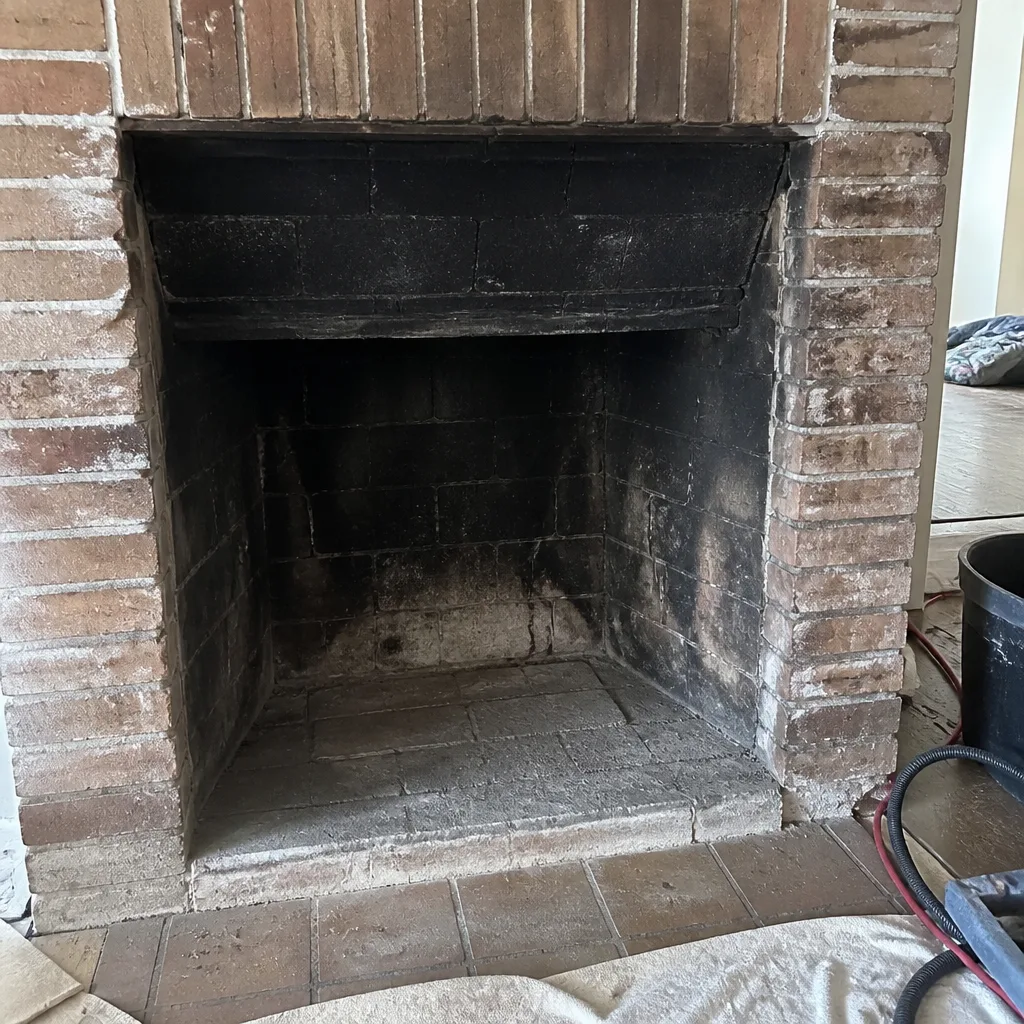 Before
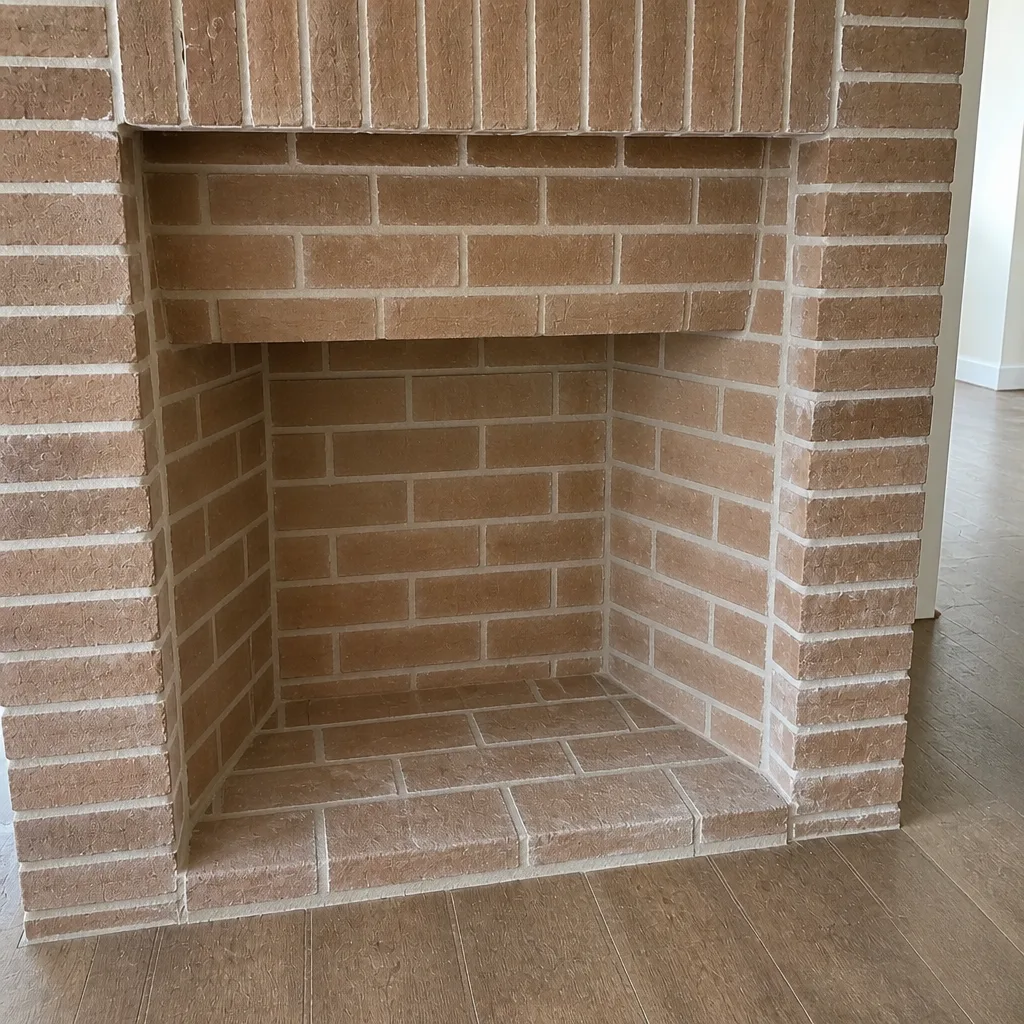 After
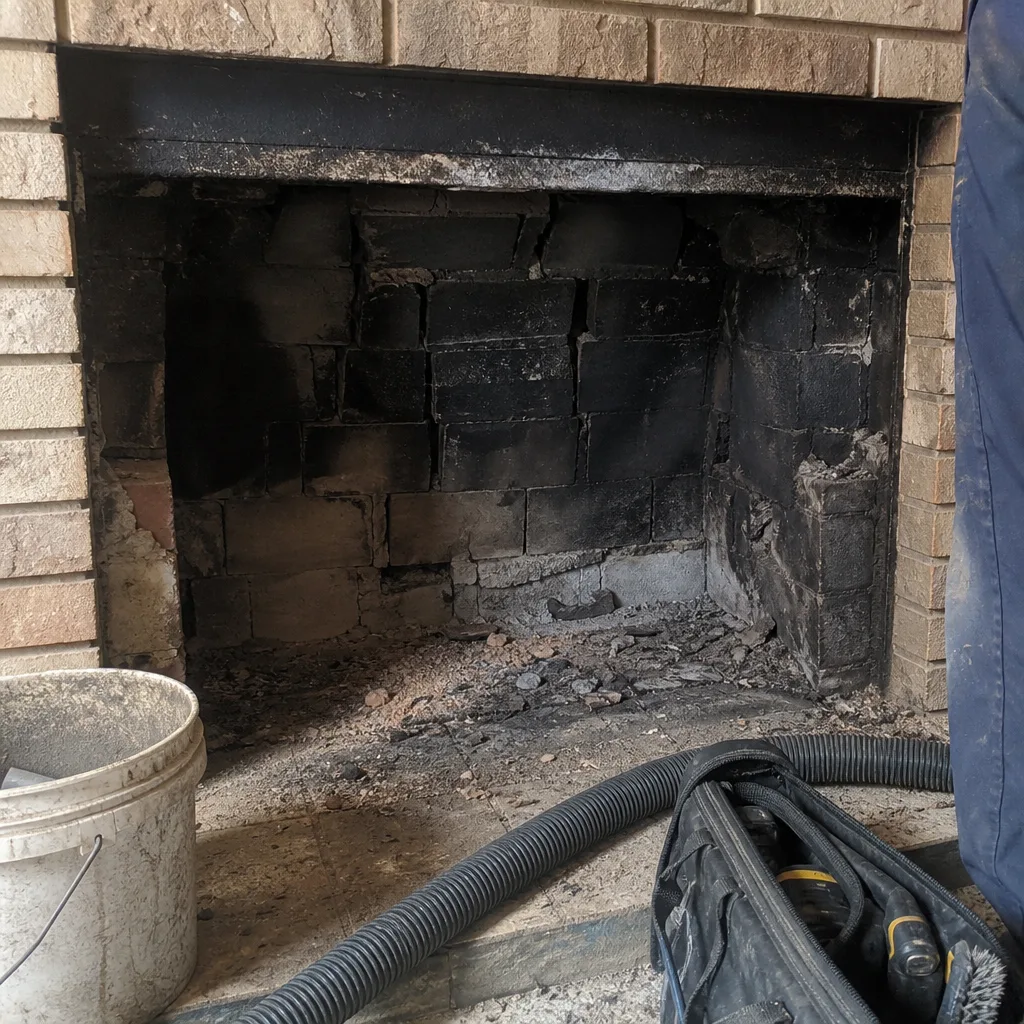 Before
 After
 Before
 After
When to Call a Professional
Call a professional if any of the following apply: you can’t remember the last inspection, you’ve had a chimney fire even if you think it was minor, you notice crumbling mortar, cracked crown, or white staining on the chimney exterior, or your smoke alarms have gone off with no obvious cause. Also call if you’re buying or selling a West Jordan home and need documented inspection work, or if you’re planning a renovation that affects the fireplace or flue.
And call before you burn if you’ve just moved into a home and don’t know the chimney’s history. West Jordan Chimney Sweep offers free estimates in West Jordan. Call (866) 947-9321. We answer 24/7. Fast dispatch from 7am to 7pm, Sunday through Friday. Our technicians have up to 13 years of experience, and we handle the full arc of chimney work: sweeping, chimney inspection, fireplace repair, and chimney repair.
Frequently Asked Questions
For most wood-burning fireplaces and inserts, once a year is the standard, but the real rule is to sweep when a quarter-inch of creosote has accumulated or after each cord of wood burned, whichever comes first. That means heavy users may need a sweep twice a year and light users may need less, provided an annual inspection confirms nothing is building up. Call (866) 947-9321 to get your schedule figured out.
Not automatically, and we won’t tell you that you do without evidence. A cracked or deteriorated clay liner can often be restored with HeatShield rather than replaced outright. Where the liner is too far gone for restoration, a DuraFlex or Olympia Chimney liner is the right answer. What matters is that the recommendation comes from what the inspection actually shows, not from a general assumption. Call (866) 947-9321 for an inspection.
Skipping maintenance lets creosote and structural damage accumulate unseen. The two real risks are chimney fires from creosote igniting and carbon-monoxide problems from a compromised flue or blocked venting. Both are consequences of ignoring the system, not inevitable, and a regular schedule is what keeps you clear of them. Call (866) 947-9321 to get back on a schedule.
Cost depends on the appliance, the amount of buildup, and whether any repairs are needed, so pricing is set per job by a written estimate. We give you the price before the work starts, and the estimate is free. Call (866) 947-9321 for your estimate.
Yes. Gas fireplaces produce little creosote, but they still need an annual inspection of burners, venting, and airflow, because the safety concern is combustion-gas venting, not buildup. Skipping it because you rarely use the fireplace is a common and avoidable mistake. Call (866) 947-9321 to book.
Older masonry chimneys often have original clay tile liners that can crack with age, heat, and moisture, so a liner inspection is recommended regardless of how often you sweep. West Jordan winters make this more important, because freeze-thaw cycles push cracks wider over time. A proper inspection tells you where your liner actually stands. Call (866) 947-9321.
The Bottom Line
The right chimney maintenance schedule comes down to three things: annual inspection as the anchor, sweeping tied to your actual fuel type and usage, and a liner inspection for anything older or damaged. In West Jordan, spring is your best inspection window because it catches freeze-thaw damage early, and a fall checklist before your first fire keeps the season safe. The point of all of this is a chimney you don’t have to worry about, and a specialist who can tell you straight what needs doing and what can wait. Call (866) 947-9321 for a free estimate. We answer 24/7. Fast dispatch from 7am to 7pm, Sunday through Friday.
Written by the team at West Jordan Chimney Sweep.