
Last updated November 25, 2026
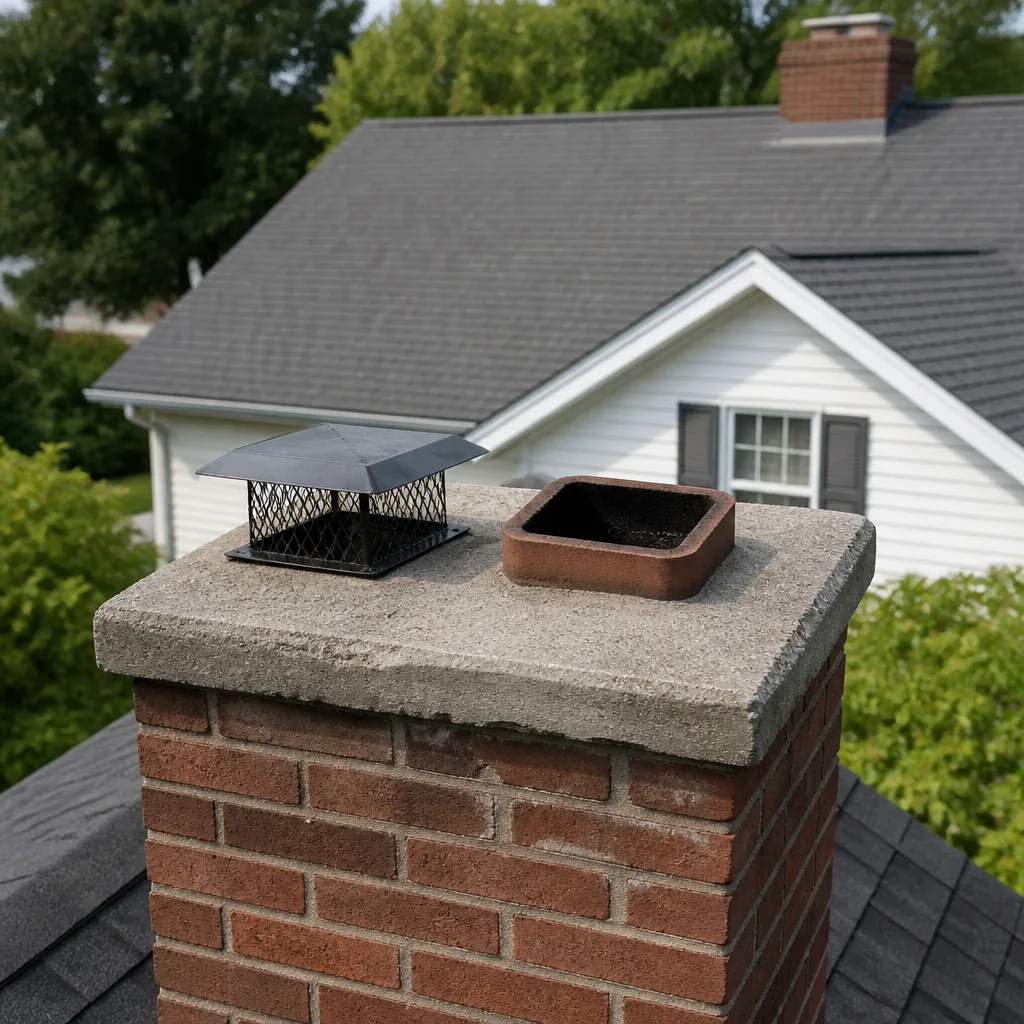 Sweep & inspection
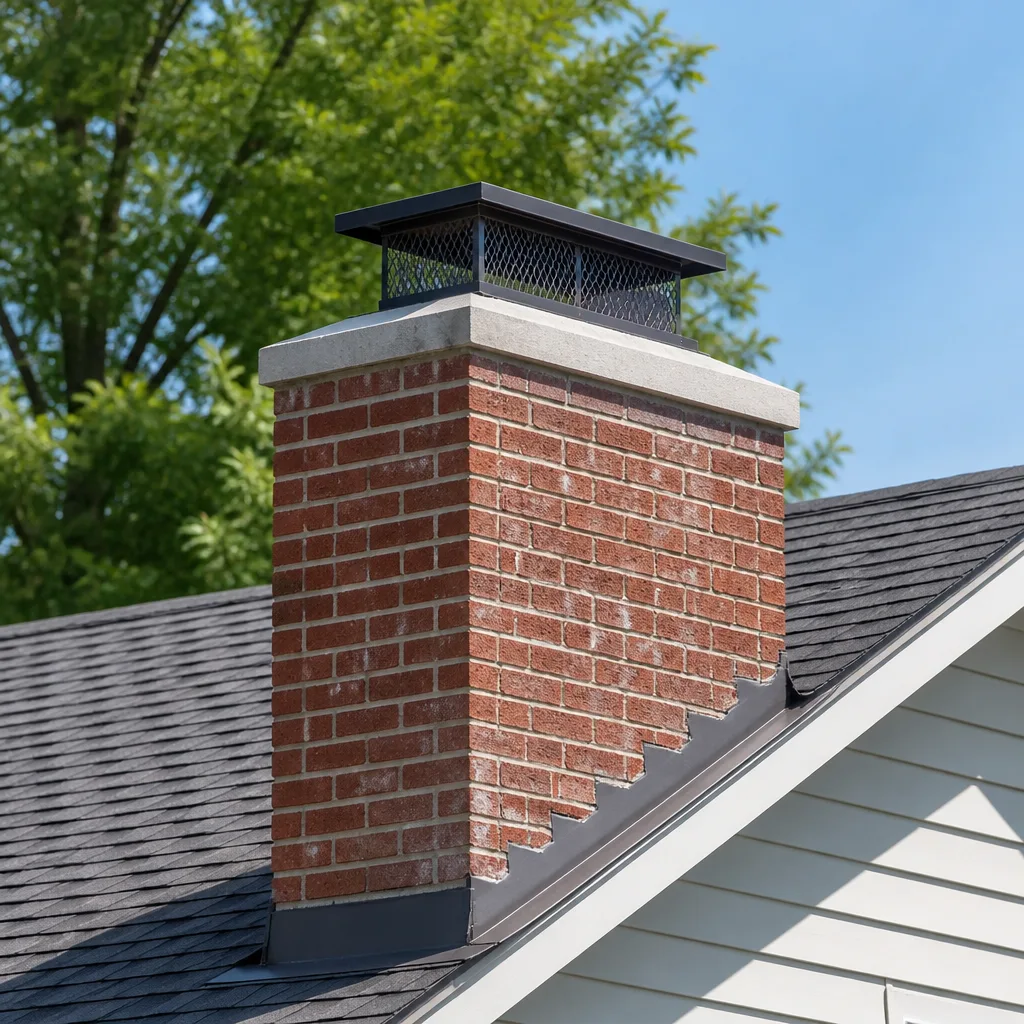 Caps & crowns
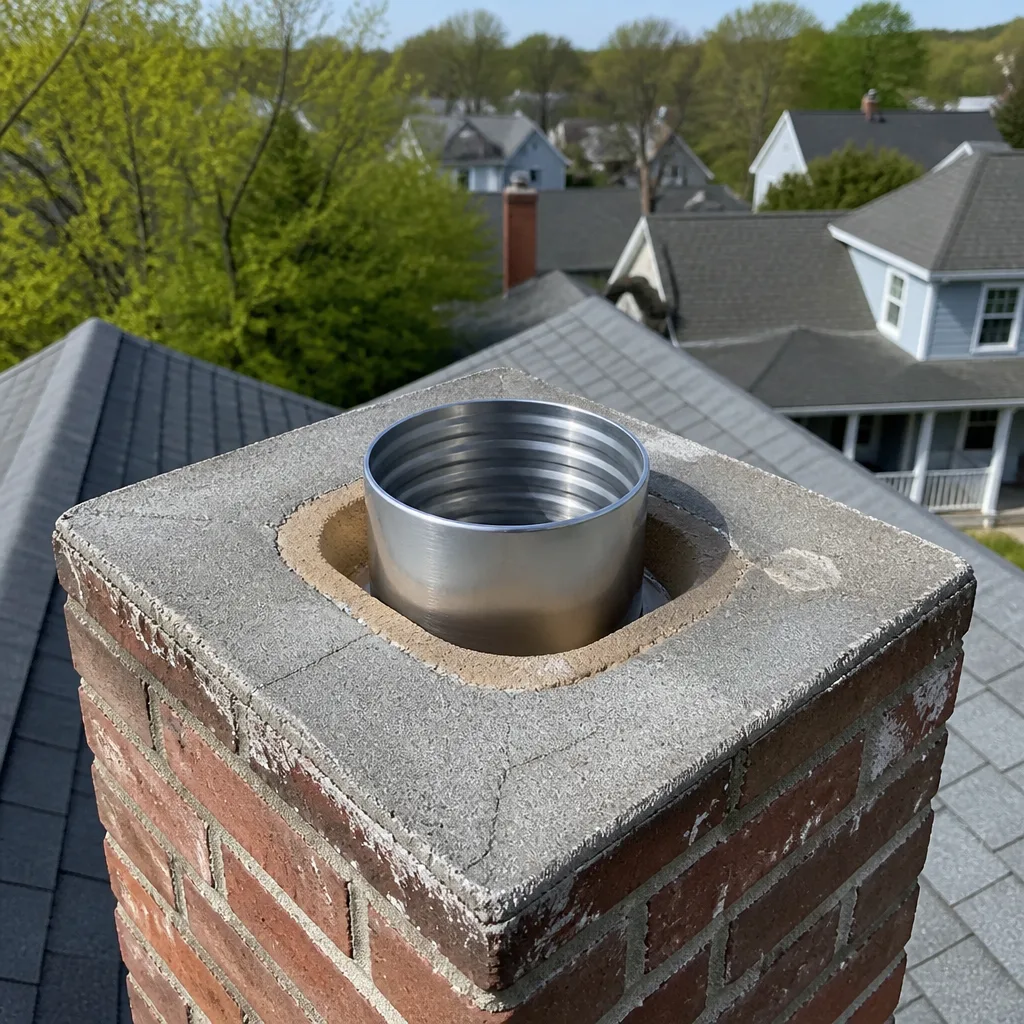 Flue relining
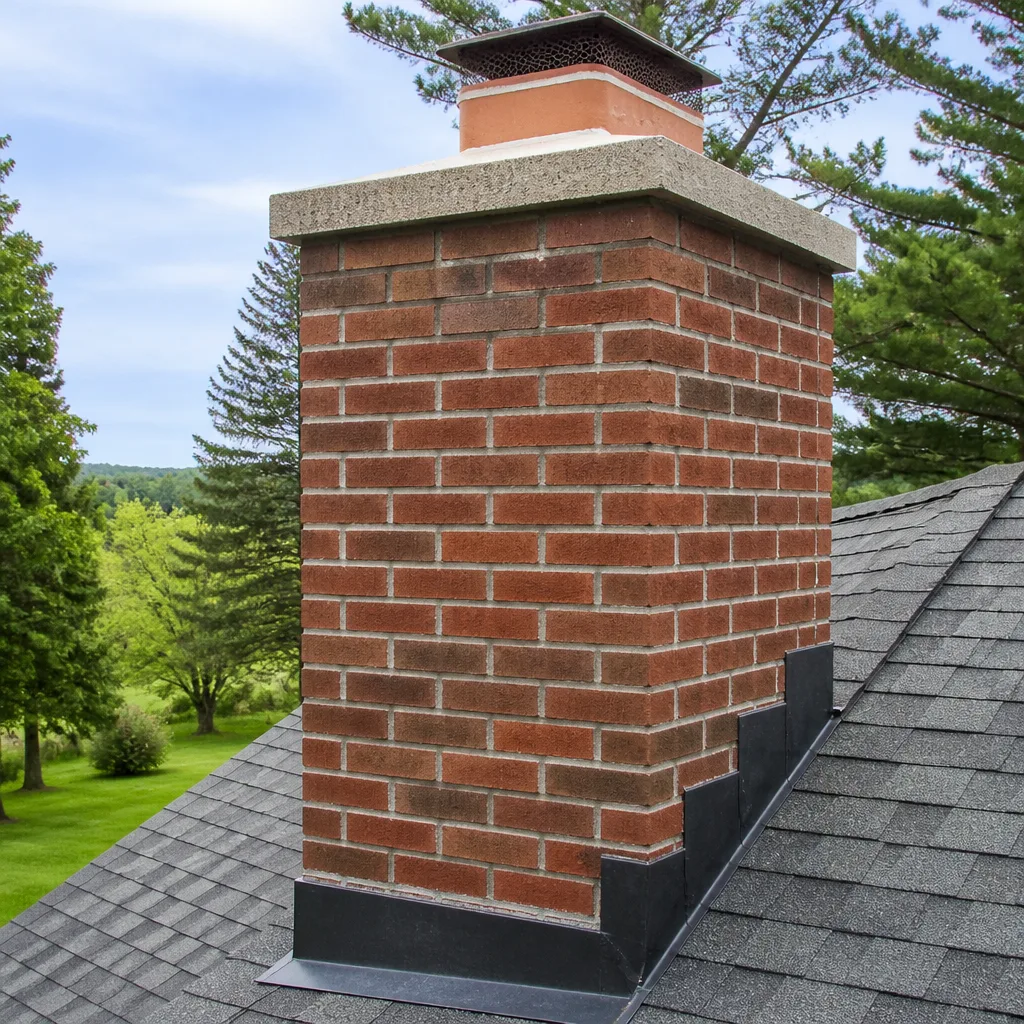 Masonry repair
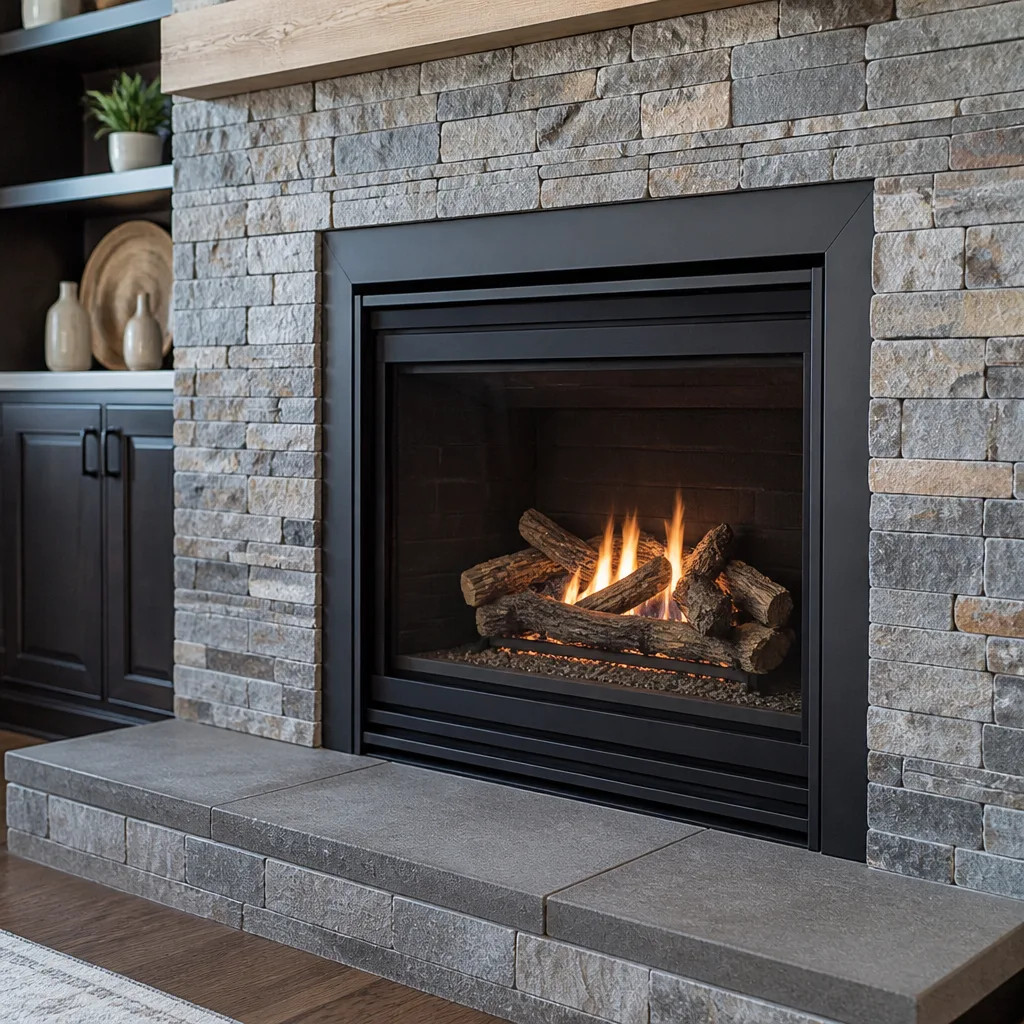 Gas fireplace service
Level 1 sweep and inspection to the NFPA 211 annual standard - flue, crown, cap, and flashing checked and photographed
Chimney sweep logs do not sweep chimneys. They loosen some creosote - which then falls where a brush and vacuum still have to collect it.
Chimney Cleaning Warning Signs: A West Jordan Homeowner’s Reference Guide
Efflorescence – that white chalk streaking down your chimney’s exterior – is not a staining problem. It’s your masonry telling you water is moving through it, and by the time it’s visible outside, the inside is already compromised. Most West Jordan homeowners read chimney symptoms the way you’d read a warning light on a dashboard you’ve never studied: you notice something is off, but you don’t know what it points to under the hood. A white stain looks cosmetic. A smoky smell in July looks like a fluke. A hairline crack in the crown looks like nothing. Each one is actually a diagnostic clue about a different part of the flue system. This guide translates the signs into plain structural language so you can call for service already knowing what you’re probably dealing with.
Quick Answer
The most serious chimney warning signs are white efflorescence stains on exterior masonry (active water intrusion), glazed or shiny black creosote inside the flue (Stage 2-3 deposit that needs chemical treatment, not just brushing), smoke rolling back into the room when the fire is still small (draft collapse, possible liner obstruction), and a musty smell after rain (water inside the system). Stop using the fireplace immediately for smoke rollout, glazed creosote, or crumbling mortar particles. Those four are “don’t burn until inspected” signs. Streaking stains, small crown cracks, and summertime odors are “schedule a sweep and inspection soon” signs. Sorting them into these two categories is the whole game.
Styles & brands we work with
- Sweep & inspection
- Caps & crowns
- Flue relining
- Masonry repair
- Gas fireplace service
Table of Contents
- What do chimney warning signs actually mean?
- What do exterior signs tell you about structural health?
- What are the interior warning signs you can see from the firebox?
- What do draft and smoke problems tell you about the flue?
- What do chimney smells reveal in summer and after rain?
- Which signs mean “schedule soon” and which mean “stop burning now”?
- Why do these signs show up faster in West Jordan’s climate?
- A season-by-season homeowner checklist
What do chimney warning signs actually mean?
A chimney warning sign is a visible or sensory signal that points to a specific failure somewhere in the flue system. The value of the sign isn’t the sign itself; it’s the diagnosis the sign points to. That’s why “my chimney looks a little rough” is not useful information, but “there’s a white powdery deposit around the brick joints” is.
Chimneys have four main working parts that fail in recognizable ways:
- The flue liner – the passage the smoke travels through. It cracks with heat cycling and needs to contain every bit of smoke it transports.
- The masonry shell – the brick and mortar that hold everything up. It absorbs water and dries slowly, and each freeze-thaw cycle takes a small toll.
- The crown – the concrete cap on top of the chimney that sheds rain away from the masonry. A cracked crown sends water straight into the structure.
- The cap – the metal or masonry hood over the flue opening. It keeps rain, birds, and debris out and encourages proper draft.
Each failure produces a different signature. Cracks in the liner smell smoky or let creosote drip. Saturated masonry shows efflorescence. A failed crown shows dark staining down the chimney exterior right below it. A missing or damaged cap lets rain in, which shows up as rust on the firebox grate or a musty smell inside. And a blocked or undersized flue shows up as smoke rolling into the room instead of up the chimney.
Once you know which part is failing, the “should I call someone” question gets much easier. Most of the time, a single symptom points to one obvious culprit, and the repair is straightforward. Sometimes two symptoms together mean the whole system needs a Level 2 inspection. That’s why a proper sweep in West Jordan starts with observation, not a brush. If you want to see how we read a system before doing any work, the West Jordan Chimney Sweep team walks through that process with every customer.
What do exterior signs tell you about structural health?
Walk outside and look up at your chimney from the yard. It’s the most underrated diagnostic step a homeowner can take, and three exterior signs carry almost all the useful information.
Efflorescence – the white chalky stain
Efflorescence is a salt deposit left on the masonry surface when water dissolves salts inside the brick and then evaporates at the surface. It is not mold, not pollution, and not cosmetic. It means water is actively moving through the masonry right now. If you see efflorescence in West Jordan, the question is not “should I clean it,” it’s “where is the water getting in?” Cap, crown, flashing, or spalling brick – one of those four is the source, and a chimney specialist can identify which one in a single visit.
Spalling brick – when the surface starts flaking
Spalling is what happens after efflorescence has been present for a while. The water inside the brick freezes, expands, and pops the front face off the brick. Once spalling is visible, the freeze-thaw damage is past the surface, and you’re looking at weakened structural brick. In our experience, spalled brick almost always points to a moisture source that’s been ignored for at least a full winter cycle.
Dark staining at the crown
A vertical brown or black stain coming down the chimney from just below the crown is nearly always caused by a failed cap or a cracked crown. Water enters the masonry at the top, carries dissolved material downward, and stains the exterior on the way. A chimney cap and crown properly installed with materials like Gelco or Famco solves the source; cleaning the stain without fixing the moisture source just delays the real repair.
Here’s the important point about exterior signs: they show you what’s happening on the outside, but they always indicate something happened on the inside first. Water that reaches the exterior has already moved through the inner wythe. Brick that’s spalling has already absorbed and frozen water near the flue. When the exterior looks compromised, ask for a Level 2 inspection of the flue at the same time – it’s the only way to know whether the liner is still doing its job, and the chimney repair service we offer always starts with that question.
What are the interior warning signs you can see from the firebox?
You don’t need to climb on the roof to spot three of the most serious chimney problems. Look inside the firebox with a flashlight before the next fire. These three signs mean the flue system is compromised and needs a professional eye.
Glazed, shiny, or tar-like creosote
Creosote deposits come in three stages. Stage 1 is sooty and flaky and brushes off easily. Stage 2 is dense, black, and harder to remove – it needs more than a single pass. Stage 3, sometimes called glazed creosote, looks like black glass or dried tar and is the most combustible form. If you can see shiny black deposit anywhere up the flue or on the damper, a normal brushing will not remove it. It needs chemical treatment (and sometimes full replacement of the affected liner) to bring it back to safe condition. In our experience, Stage 3 creosote is the most common “I didn’t know it was that bad” call we get in West Jordan from homeowners who sweep every few years but burn unseasoned wood. Unseasoned or “green” wood is the biggest driver of rapid Stage 3 buildup.
White haze on the firebox back wall
A pale, chalky white haze on the firebrick at the back of the firebox is usually a sign that the fireplace or insert has been overfired – run too hot for its rating, or with the wrong fuel. Sometimes it’s efflorescence migrating through the firebox brick from outside. Both readings mean the appliance is operating outside its intended range. Overfiring damages firebrick and warps steel liners; efflorescence inside the firebox means water is reaching the firebox, which you don’t want. Either way, this is a Level 1 or Level 2 inspection conversation, not a “clean it and forget it” sign.
Cracked or crumbling firebrick
Hairline cracks in the firebrick of the firebox floor and back wall can be normal thermal cracks. Cracks wide enough to catch a fingernail, mortar joints that crumble when touched, or firebrick that’s actually separated from the wall are not normal. A gap in the firebrick gives hot gases a path to the masonry behind it, which is where structural chimney fires start. This is a “don’t burn until inspected” sign, and it’s also one reason a fireplace repair visit often turns into a full chimney inspection once we open things up.
What do draft and smoke problems tell you about the flue?
Draft problems are the chimney telling you something in the smoke path is restricting flow. Smoke belongs in the flue, moving up and out. When it doesn’t, one of four things is happening. These are the operational warning signs, and they’re easy to test for.
Smoke rollout at low temperatures
If a small, cool fire sends smoke into the room, you’ve got one of two problems: draft collapse from a cold flue, or an obstruction in the liner. A cold flue is normal – the flue needs warm air inside it before it will start pulling. Techniques like pre-heating the flue with a bit of rolled newspaper (held high and lit, then dropped carefully onto the grate) help on cold mornings. But if the flue was warm and the smoke still rolls out, stop burning. The most likely cause is a liner obstruction – creosote accumulation, a bird nest, or a collapsed section of liner. This is the “don’t use the fireplace until inspected” version of a warning sign.
Delayed draft establishment
Every chimney has a short delay between lighting the fire and the moment the draft “catches” – usually 30 to 90 seconds. If that delay stretches to several minutes, or if you need to open a window or warm the flue manually every single fire, that’s not just winter cold. Delayed draft establishment is caused by:
- A cold liner that needs more than the normal amount of heat to warm up (short flues and exterior chimneys).
- Negative pressure inside the house from exhaust fans, dryer vents, or high-efficiency furnaces pulling air out faster than the house can replace it.
- An obstruction or partial obstruction high in the flue that’s slowing the draft.
- An undersized flue for the appliance you’re running.
In West Jordan, negative pressure is a frequent driver. Modern homes are tight, and a fireplace insert running with a kitchen exhaust fan can start smoke blowing into the room rather than up. That’s not a chimney failure – it’s a house-vs-chimney airflow issue – but it still means we need to see the system to know which of the four causes above is at play.
Smoke that smells “different”
Normal smoke from a properly operating fireplace is woody and mild. Acrid, plastic-like, or metallic smoke usually means the flue is admitting gas from somewhere else in the house – a blocked flue, a cracked liner sharing space with a furnace flue, or a reversed flue. Any of these is a carbon monoxide risk, and any of these is a “stop burning and get an inspection now” category. Chimneys are the only household appliance that regularly emits CO when something is wrong, and the only observable signal can be an unfamiliar smell in the room.
Our technicians have up to 13 years of experience reading exactly these four operational signs, and we can usually tell within a few minutes of arrival which one has caused what you noticed. A chimney sweep visit is the right first step.
What do chimney smells reveal in summer and after rain?
Two smells are worth taking seriously: the creosote smell that shows up in the middle of summer, and the musty smell that shows up after rain. They come from completely different failures.
The summer creosote smell
On a hot July afternoon, when the fireplace has sat cold for months, you may notice a strong campfire or asphalt smell in the room. This is downdraft pulling through the creosote-soaked flue and pushing that smell back down into the house. Warm outside air rises past the colder flue, creating a reverse flow. The smell is a signal that the flue has accumulated a meaningful creosote layer with open pores. It’s not cosmetic. In West Jordan, a summer creosote smell is one of the most common reasons homeowners call a sweep, and it’s one of the most useful ones – it’s the chimney telling you the flue is overdue.
Fixing it completely is two steps: cleaning the flue back to bare metal, and, where the masonry has absorbed oil, treating the surface so it doesn’t re-absorb. Skipping the cleaning and just running a spray covers the smell temporarily and puts moisture into the flue, which is worse.
The musty smell after rain
A musty, wet, or earthy smell that shows up after a hard rain is almost always water inside the system. The most common causes are a missing or damaged chimney cap, a cracked crown, or failed flashing where the chimney meets the roof. Water finding its way into the smoke chamber, onto wood framing, or into attic insulation then produces the musty smell. Unlike the summer creosote smell, this one does not improve with cleaning. It needs the water source fixed, which means a cap, crown, or flashing repair. This is also the smell that precedes wood rot, so “wait and see” is not a safe plan here. If a hard rain leads to a musty smell inside, get the crown and cap inspected before the next storm season.
Which signs mean “schedule soon” and which mean “stop burning now”?
This is the most useful thing you can commit to memory from this guide. Not every warning sign carries the same urgency, and lumping them together creates either panic or complacency.
Tier 1 – schedule a sweep and inspection soon (weeks, not months)
- Efflorescence stains on the exterior masonry
- Small hairline cracks in the concrete crown
- Summer creosote smell with no other symptoms
- One or two spalled bricks on the chimney exterior
- Delayed draft establishment only on very cold mornings
- Soot or dark staining near the damper
Tier 2 – stop using the fireplace until a professional inspects it
- Smoke rolling into the room even with a warm, active fire
- Any visible glazed or Stage 3 creosote on the damper or flue wall
- Cracks in the firebrick wide enough to catch a fingernail
- Musty smell after rain with no visible exterior cause
- Metallic or acrid smoke smell, or a carbon monoxide alarm going off
- Crumbling mortar or brick fragments falling into the firebox
- Any spalled or missing brick in the upper third of the chimney
If a Tier 2 sign is present, the honest answer is “we don’t know what’s happening without seeing it.” A sweep is the right first step, but a sweep alone may not fix the problem – if glazed creosote is present, cleaning is just the first of two visits. If firebrick is cracked, we’re looking at a fireplace repair. If the liner is glazed or collapsed, HeatShield restoration or a full liner replacement might be on the table. Getting a camera inspection (photo and report included) is what turns “I’m worried about this” into a plan and a price. If work can safely wait, we say so; if it can’t, we show you the evidence on camera so you can see what we’re looking at.
Why do these signs show up faster in West Jordan’s climate?
Utah’s climate is a hard one on chimneys. Big swings between hot dry summers and cold wet winters compress the freeze-thaw cycle that damages masonry. West Jordan specifically sits in a valley where winter storms drop snow that melts fast, then re-freezes overnight. That melt-refreeze pattern is what drives efflorescence and spalling on exteriors, and it’s why chimney crowns that survive years elsewhere can crack within two or three winters here.
A few local details matter:
- Wood burning patterns. West Jordan sits in the Salt Lake Valley, where winter inversion cycles and air-quality rules make wood burning a seasonal, weather-dependent activity for many homeowners. Long gaps between burning seasons accelerate summer downdraft and creosote smell, because the flue sits cold and damp for months.
- Clay soil and roof movement. Expansive clay soil and the small roof shifts that come with it can pull chimney flashing loose. Loose flashing is one of the top hidden causes of interior musty smells after rain.
- House tightness. Many West Jordan homes have been re-sealed and re-insulated over the years. Tight houses are good for energy efficiency and hard on natural-draft chimneys, because the flue has to compete with exhaust fans.
- Wind exposure. Downslope winds off the Oquirrh Mountains can press against the chimney cap and drive smoke down the flue on high-wind days. If smoke rolls into the room only on windy days, the cap may be the problem.
None of this is unique enough to change the underlying physics – a chimney in West Jordan follows the same rules as one anywhere else. But the timing of failures moves faster here, and that means annual inspection matters more, not less.
A season-by-season homeowner checklist
Most chimney problems are catchable if you look at the right places at the right times of year. Here’s the checklist we recommend to West Jordan homeowners, in the order that makes sense for the calendar.
Before the heating season (early fall)
- Walk outside and up on the roof line: look for efflorescence, spalling, or dark staining under the crown.
- Check the cap is intact and the spark screen is not bent or missing.
- Open the damper and shine a flashlight up the flue. Glazed creosote is visible as a shiny black liner wall.
- Check the firebrick in the firebox for cracks wider than a hairline.
- Schedule a sweep and a Level 1 inspection if it has been more than a burning season since the last cleaning.
During the heating season (each fire)
- Watch for smoke rollout at the end or beginning of the fire.
- Note any change in the smell of the fire itself, especially acrid or metallic smells.
- Confirm the damper opens and closes reliably; a stuck damper is a draft problem waiting.
- Check the firebox after the fire has fully cooled for new cracks in firebrick.
After the heating season (spring and summer)
- If the flue hasn’t been swept, schedule it before the summer creosote smell appears.
- After the first hard rain of spring, note any musty smell in the room.
- Check the crown for new cracks and the exterior for new spalling (melt-and-refreeze is most active in spring).
- Look for birds or debris inside the firebox – an indication the cap or screen has failed.
The full sweep-and-inspect visit that covers items 1 through 5 in the fall checklist typically includes a chimney repair scope conversation if anything is flagged – we don’t charge for the diagnosis, only for the fix. A well-maintained chimney with an annual inspection is a chimney that lasts decades without an emergency call.
Common Mistakes to Avoid
- Treating efflorescence as staining. Cleaning a white stain off your masonry without finding the water source just delays the day the brick starts spalling. Look for the leak first.
- Sweeping without inspecting. A sweep clears the flue. An inspection reads the system. A sweep alone does not catch a cracked crown, a loose cap, or a cracked liner. Ask for both.
- Burning unseasoned wood to save money. Wet wood produces far more creosote than dry, and in West Jordan’s cold winters that accumulation is what pushes a flue from Stage 1 to Stage 3 within a season or two.
- Ignoring the “smells like campfire in summer” sign. The summer downdraft smell is the chimney telling you the flue is overdue. Spraying air freshener covers the smell and does nothing for the deposit.
- Assuming a small crown crack is cosmetic. It’s a direct water path into the top of the masonry. Seal the crown before the first freeze, not after.
- Skipping inspection before buying or selling a West Jordan home. Buyers ask about the chimney, and a missing inspection report is one of the most common reasons a sale stalls. A Level 2 inspection with a photo report is worth more than any sales pitch.
- Calling a handyman for chimney work. Chimney systems have their own codes, their own materials, and their own failure modes. A multi-trade contractor whose chimney work is one of twenty services is not the same as a chimney specialist.
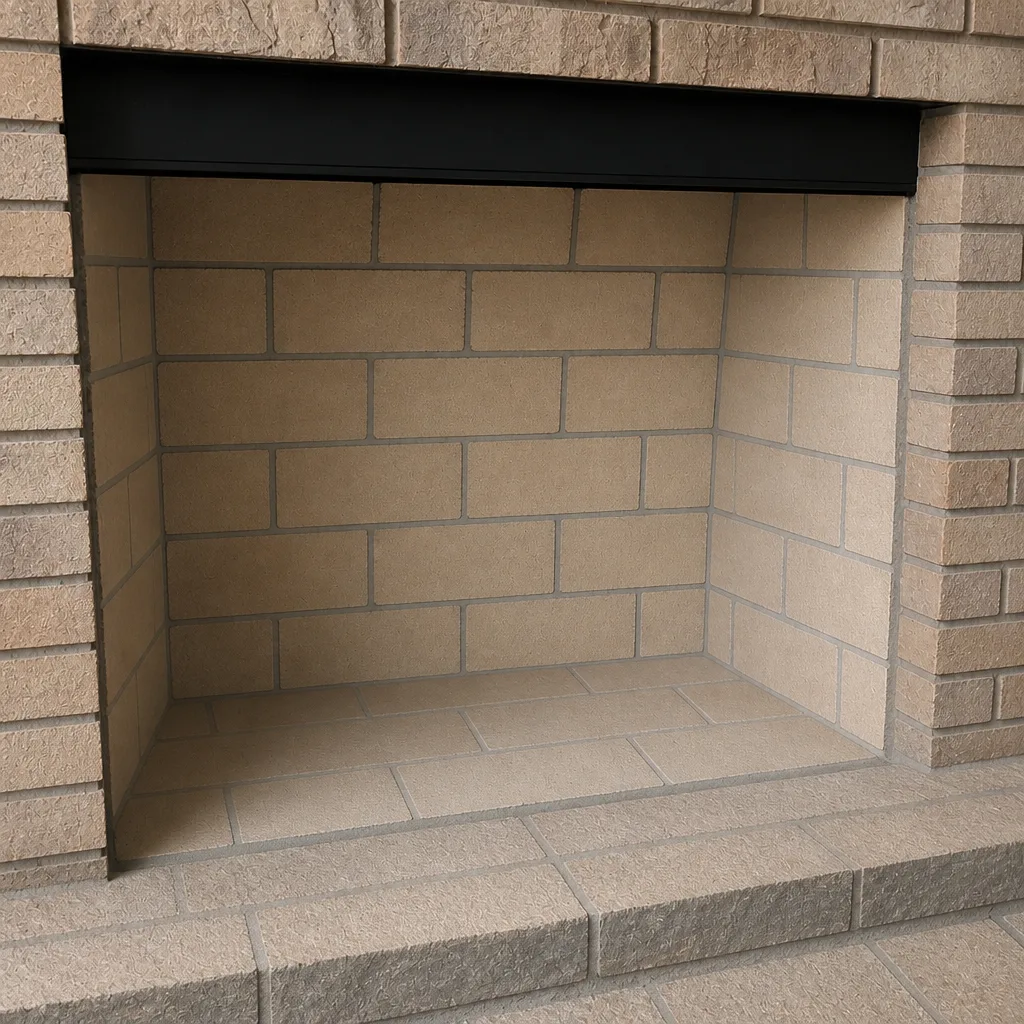
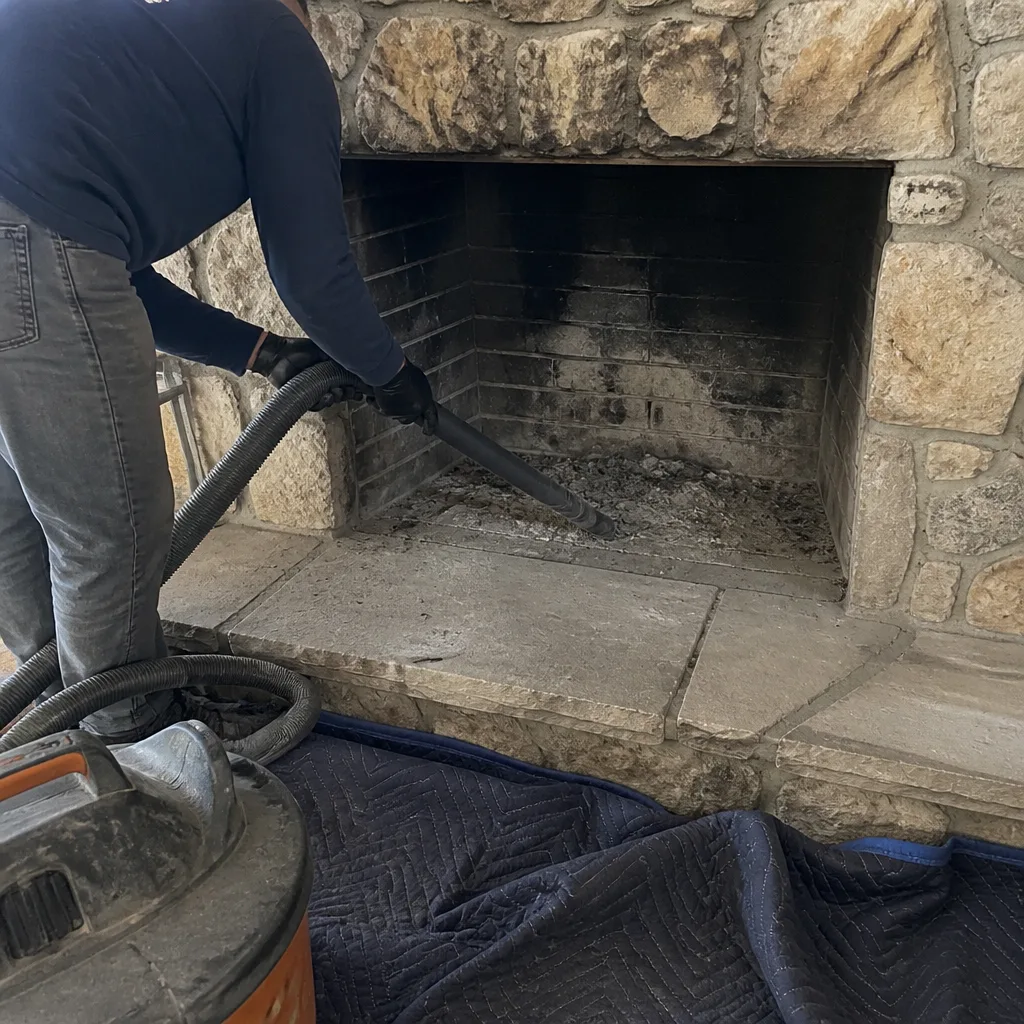
See the difference
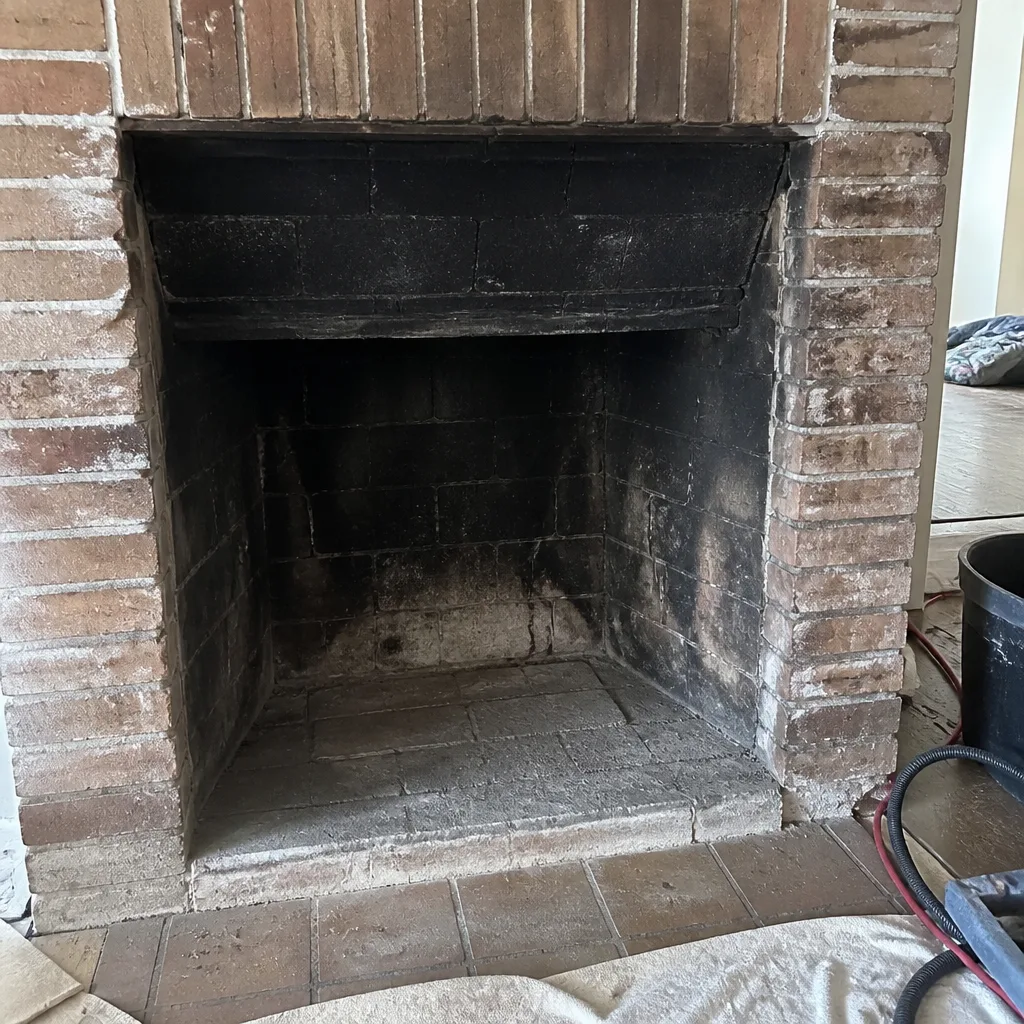 Before
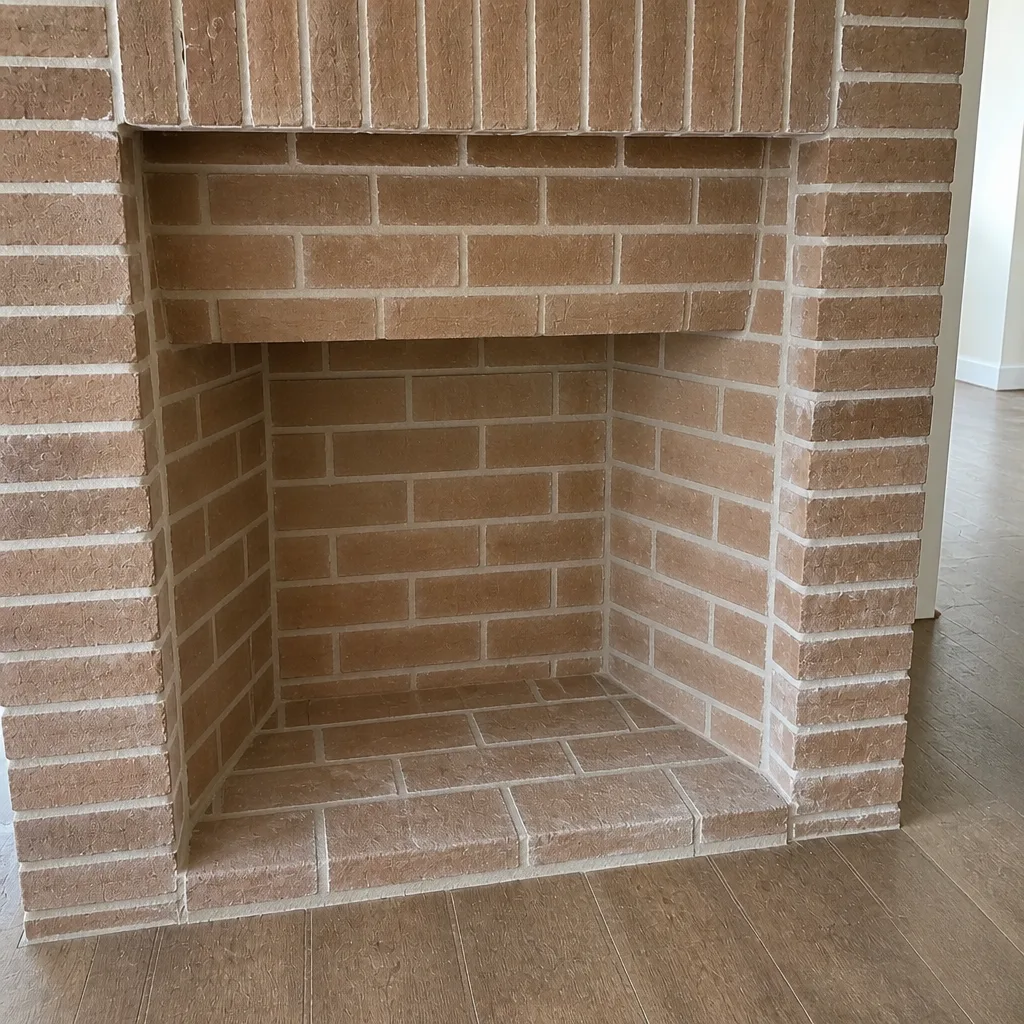 After
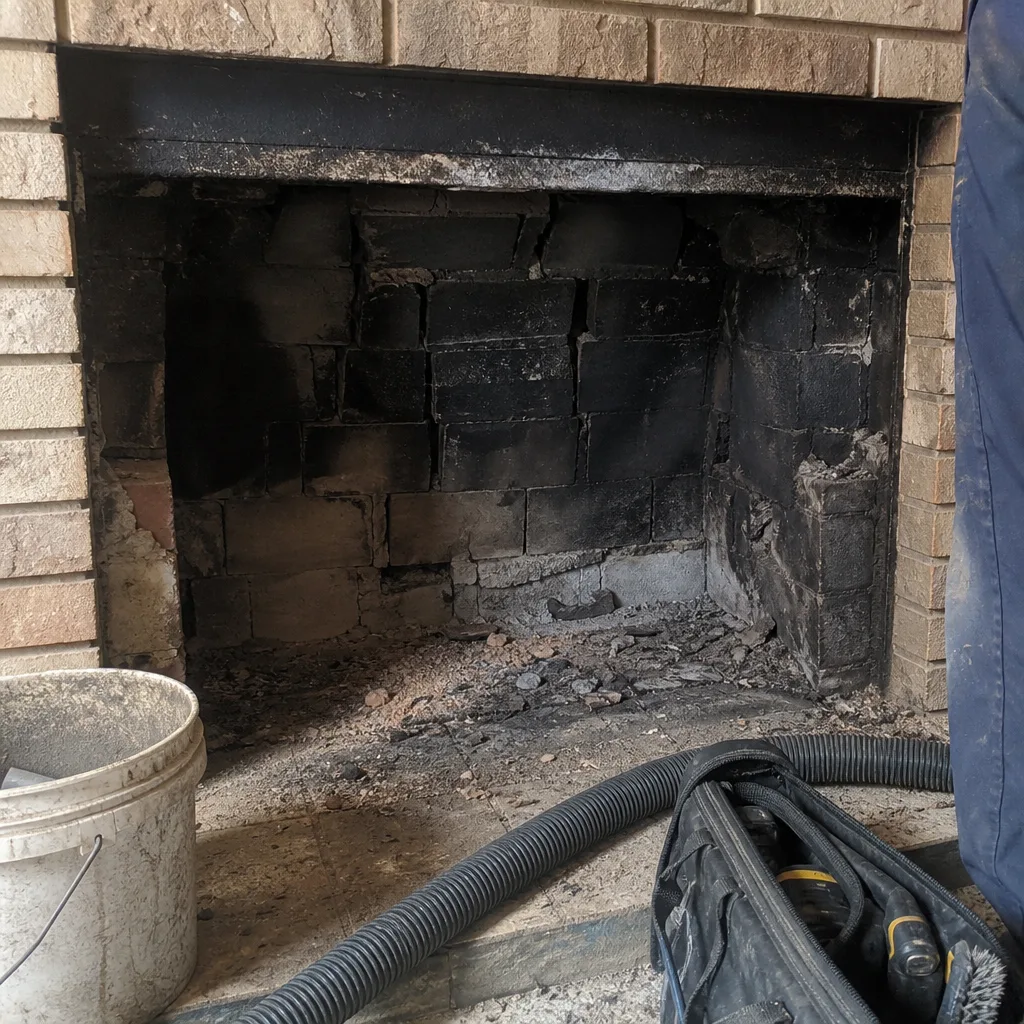 Before
 After
 Before
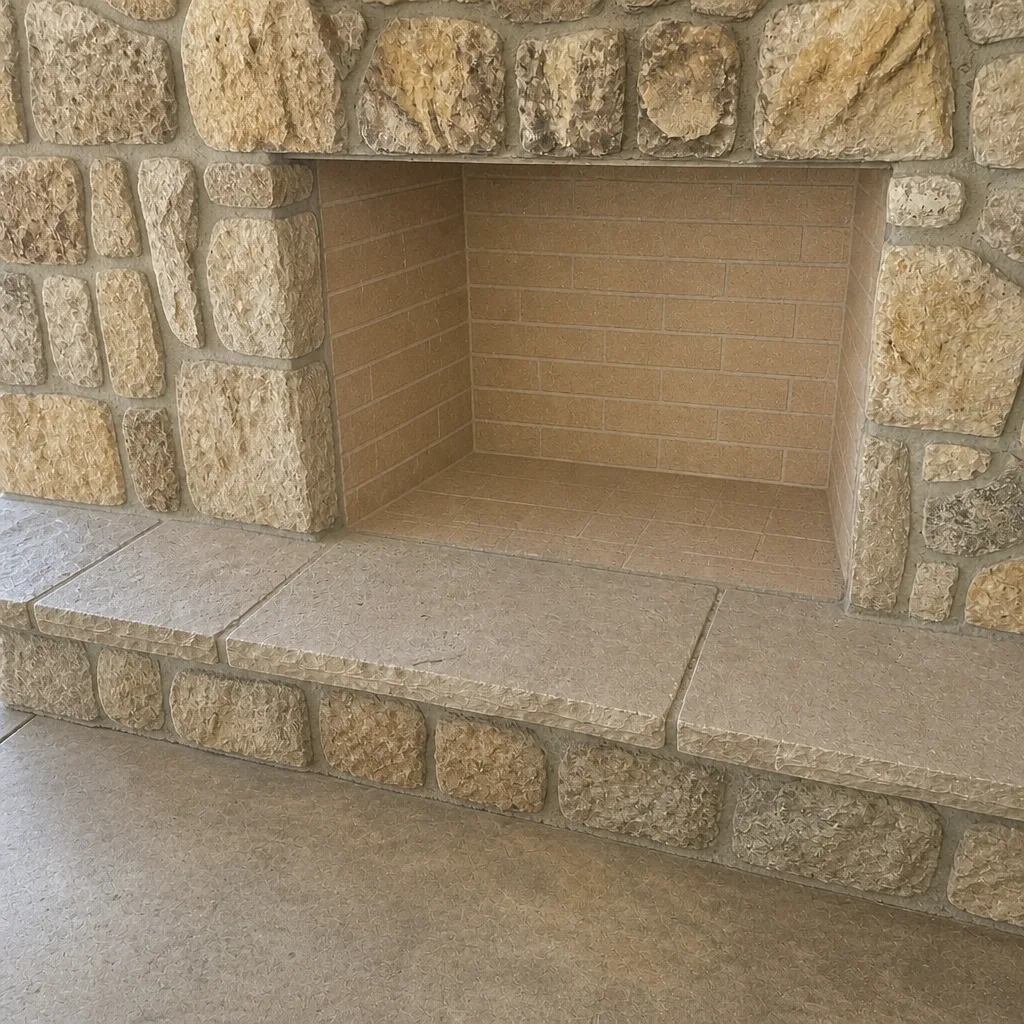 After
When to Call a Professional
Call a chimney professional if you see any Tier 2 sign above (smoke rollout, glazed creosote, firebrick cracks, musty smell after rain, or an unfamiliar smoke smell), or if you haven’t had the chimney inspected since the last cold season began. Call if you’re buying or selling a West Jordan home and need a Level 2 inspection with documentation. Call if you’re planning to install a wood-burning insert or change fuel type. Call if your carbon monoxide alarm has gone off, even once. Our technicians have up to 13 years of experience reading these symptoms across West Jordan’s climate, and we come with a camera and a report so you can see what we’re seeing. West Jordan Chimney Sweep offers free estimates in West Jordan – call (866) 947-9321. We answer 24/7. Fast dispatch from 7am to 7pm, Sunday through Friday.
Frequently Asked Questions
Once a year for most homeowners who burn regularly, or after every cord of wood. Heavy burners should sweep twice and inspect once. Clay and unseasoned wood in West Jordan’s cold-season burning accelerates creosote buildup, so if you burn most evenings, aim for an annual sweep even if you never see a problem. Call (866) 947-9321 to schedule a sweep today.
Efflorescence – a salt deposit left when water inside the brick evaporates at the surface. It means moisture is actively moving through the masonry, so the priority is finding the source (cap, crown, flashing, or spalling brick), not cleaning it off. A chimney specialist can diagnose the source in a single visit. Call (866) 947-9321 – the estimate is free.
A light campfire smell on hot afternoons is common on older flues with creosote buildup – the summer downdraft pulls the smell back down. It is not normal and it is a signal the flue should be swept. If the smell is strong or persistent, that points to Stage 2-3 creosote that requires more than brushing. Call (866) 947-9321 to schedule a sweep and inspection.
Dark staining running down the exterior from just under the crown, rust on the firebox grate, water in the firebox after hard rain, and animal nests or debris inside the flue are all signs of a failed or missing cap. A correctly installed cap with materials like Gelco or Famco keeps water, birds, and debris out and stops the problem at the source.
Sometimes. HeatShield is a ceramic liner-restoration system applied to the interior of a still-intact clay liner, and it can extend the life of a flue with cracks and gaps that would otherwise require a full tear-out. The honest answer depends on what a camera inspection shows. We inspect first, show you the photos, and tell you whether restoration or replacement is the right call – we don’t recommend the bigger job unless the evidence supports it.
It depends on which sign. Smoke rollout with glazed creosote is a chimney-fire risk. Firebrick cracks let heat into the masonry behind the firebox. Unfamiliar smoke smell could be carbon monoxide entering the room. In every case, the risk of waiting is much higher than the cost of an inspection. We answer 24/7 – call (866) 947-9321. A call outside dispatch hours is booked into the next opening, Sunday through Friday, 7am to 7pm.
The Bottom Line
Chimney warning signs aren’t a menu where you pick the ones you like – they’re a diagnostic language that tells you which part of the system is failing. Efflorescence means water is moving through the masonry. Glazed creosote means the flue needs more than a brush. Smoke rollout means an obstruction or a draft problem you shouldn’t burn through. Musty smells after rain mean water is inside the system. Sort every symptom you see into “schedule soon” or “stop burning now,” and you’ll know exactly what to do next. West Jordan’s melt-refreeze winters compress these failure timelines, which is why an annual sweep and inspection (not just a sweep) is the plan that saves money. If you’re not sure which category your sign belongs in, get it diagnosed before the next fire. West Jordan Chimney Sweep handles sweeping, inspection, fireplace repair, chimney repair, and cap and crown work with branded materials like HeatShield and DuraFlex from a single point of accountability – call (866) 947-9321 for a free estimate.
Written by the team at West Jordan Chimney Sweep.