
Last updated November 25, 2026
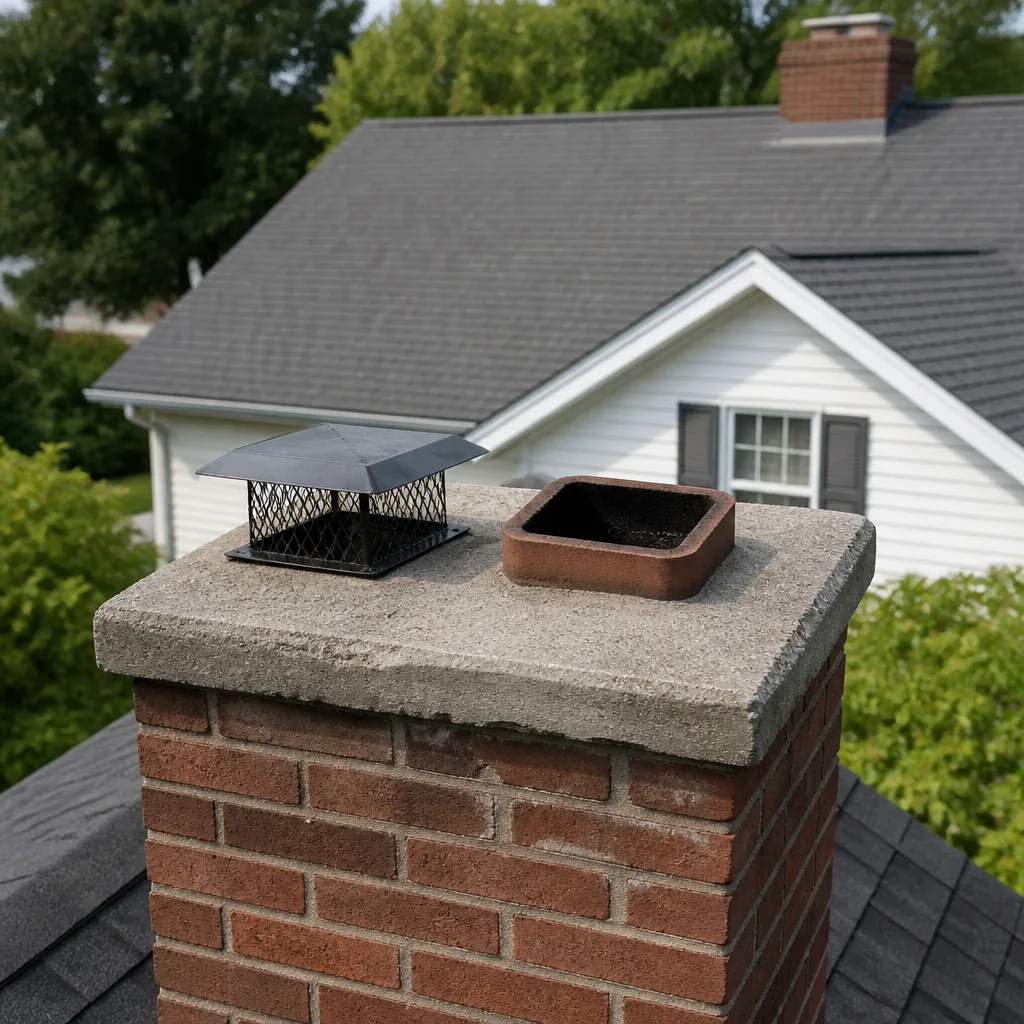 Sweep & inspection
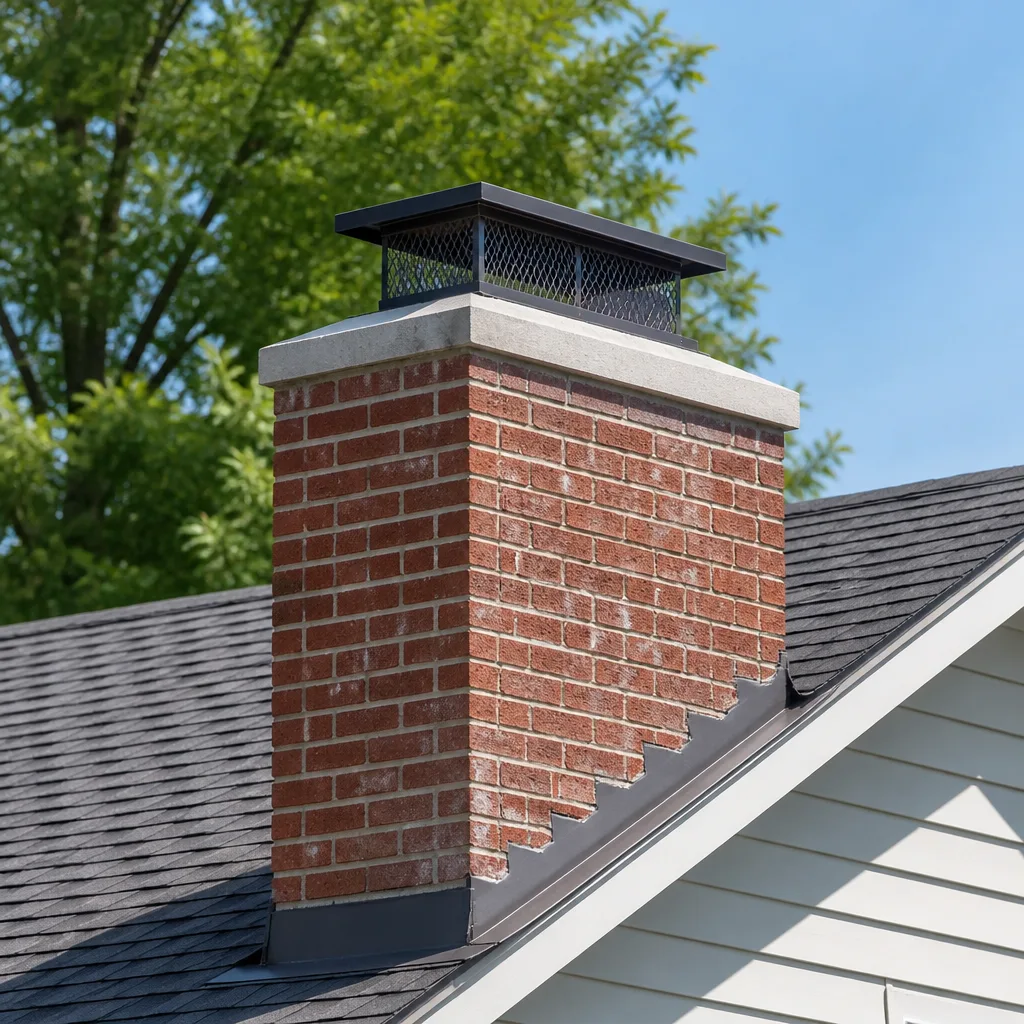 Caps & crowns
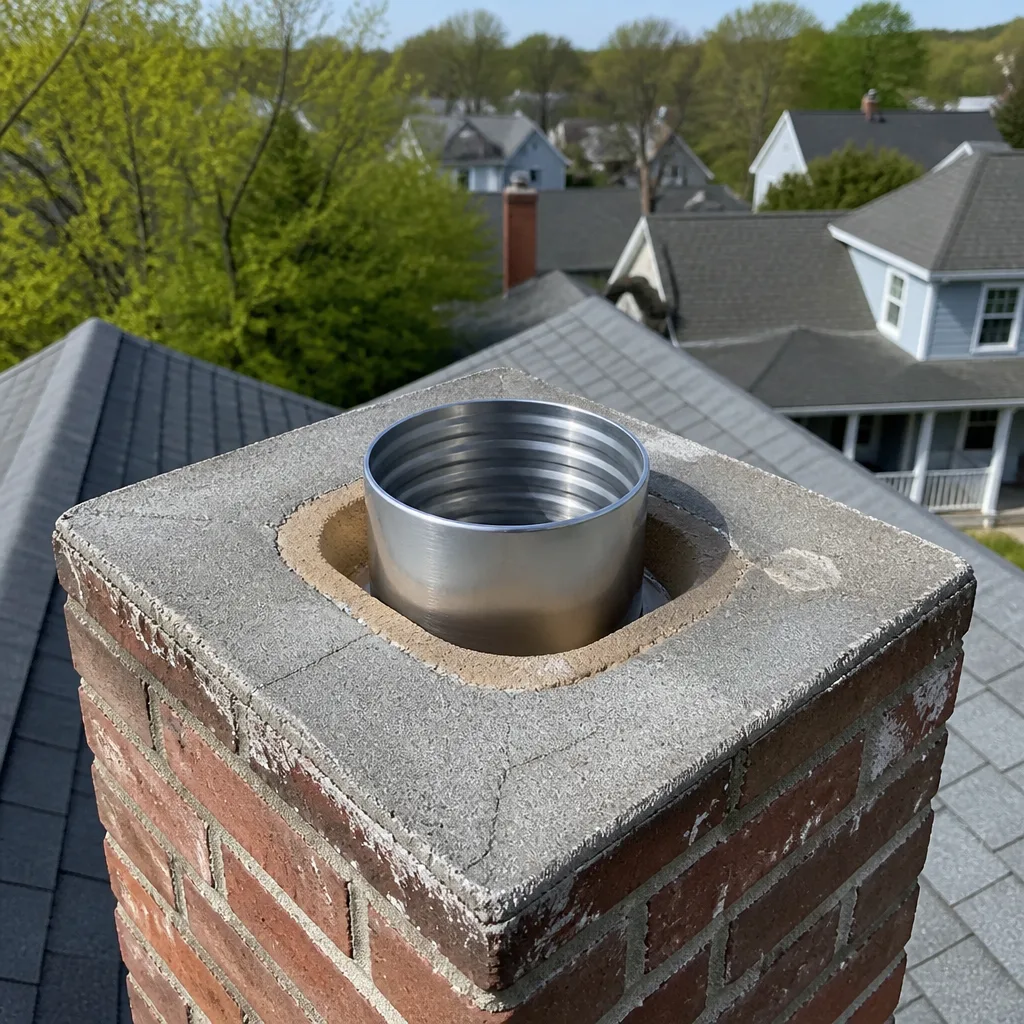 Flue relining
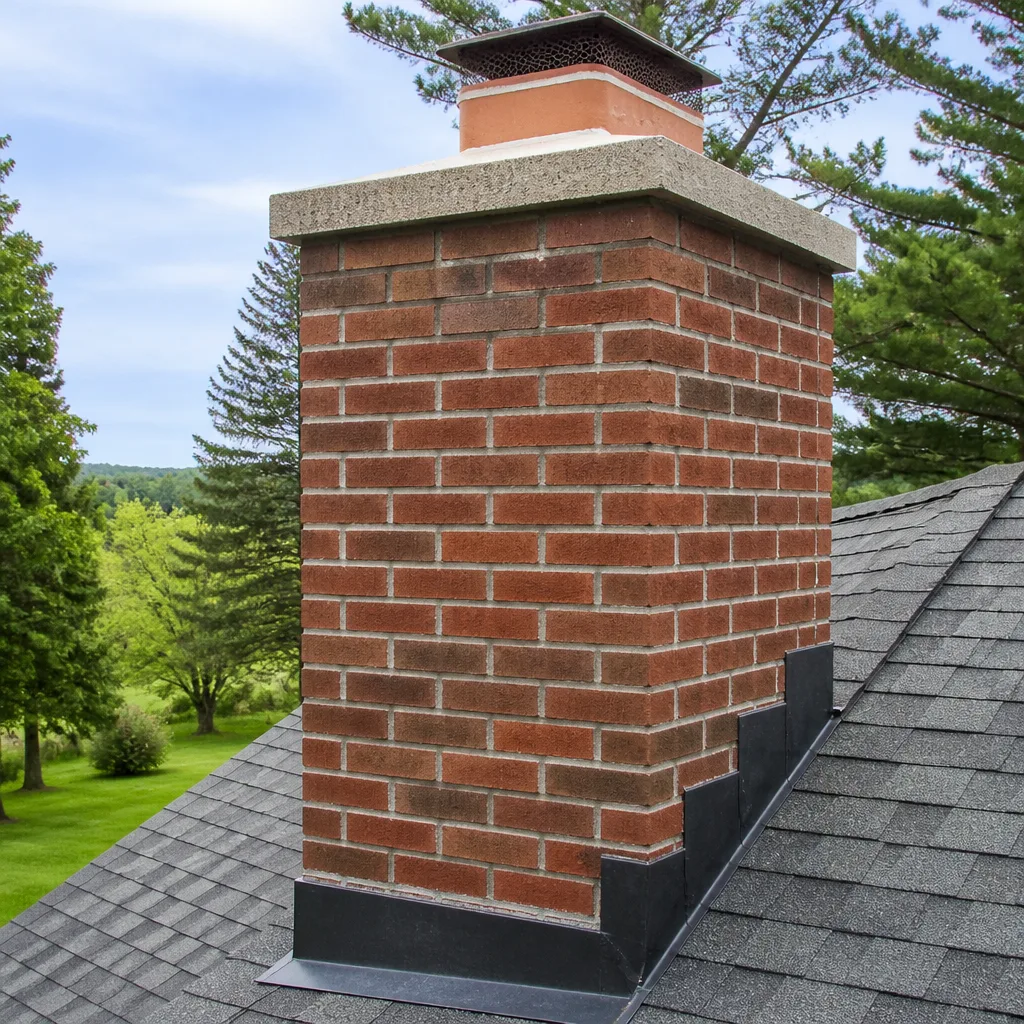 Masonry repair
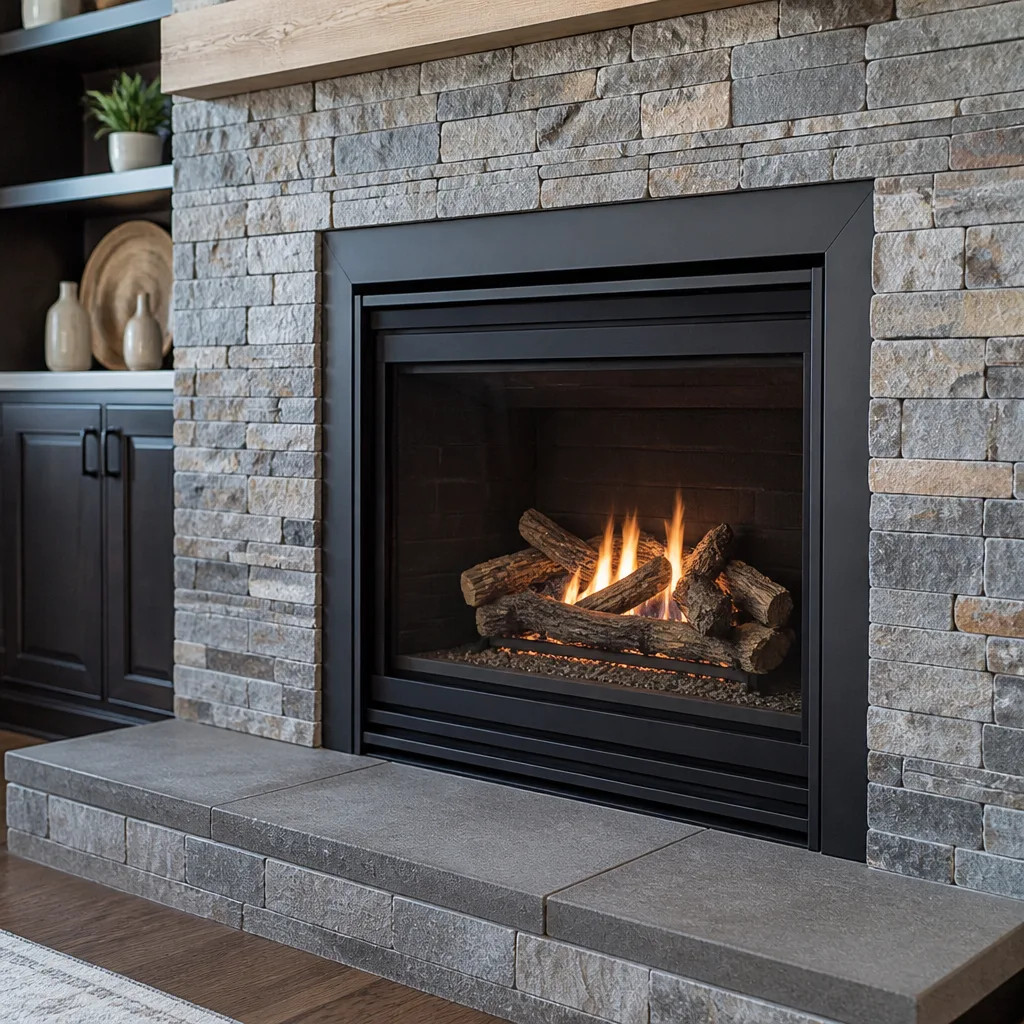 Gas fireplace service
Level 1 sweep and inspection to the NFPA 211 annual standard - flue, crown, cap, and flashing checked and photographed
Chimney sweep logs do not sweep chimneys. They loosen some creosote - which then falls where a brush and vacuum still have to collect it.
Chimney Cleaning Permits, Codes & Inspections in West Jordan, UT: What You Need to Know
No permit is required to clean your chimney. But if that cleaning reveals a flue liner that needs relining, and you skip the permit for the fix, you’ve just created an unpermitted structural element that will surface in your next real estate transaction. That’s the line most homeowners in West Jordan don’t see coming: cleaning is maintenance, but repair is construction, and construction gets permitted. In this guide we’ll walk through where that line actually sits in West Jordan, what triggers a permit pull from the city building department, how NFPA 211 applies to your chimney, and why a CSIA Level 2 inspection and a city inspection are two different things that serve two different purposes.
Quick Answer
Chimney cleaning and routine sweeping do not require a building permit in West Jordan. Chimney repair, replacement, or relining work generally does, and gas insert or wood stove installations into an existing chimney typically require both a mechanical permit and a liner compliance check. A CSIA Level 2 inspection is the industry-standard verification of your chimney’s condition, while a building department inspection is the city’s sign-off after permitted repair work is complete. Both matter, and they protect you in different ways.
Styles & brands we work with
- Sweep & inspection
- Caps & crowns
- Flue relining
- Masonry repair
- Gas fireplace service
Table of Contents
- What Requires a Permit and What Doesn’t
- NFPA 211: The Standard Behind the Permit
- CSIA Level 2 vs. City Inspection
- Gas Insert and Wood Stove Installations
- What “Code Compliant” Really Means
- Why West Jordan Chimneys Need Specific Attention
- How a Repair Gets Permitted, Step by Step
- Buying and Selling: What the Records Show
What Requires a Permit and What Doesn’t in West Jordan?
Chimney sweeping, routine cleaning, and inspection do not require a building permit in West Jordan. Structural chimney repair, liner replacement, crown replacement, and any work that alters the chimney’s mechanical construction or firebox do. The confusion usually comes from the fact that all of it gets triggered by the same phone call: something showed up during the sweep, and now there’s a decision to make about how far the work goes.
Here’s how we think about the boundary in practice:
- No permit: sweeping, cleaning, cap replacement (in most cases, when it’s a straight-out swap of a damaged cap), and Level 1 or Level 2 inspection.
- Permit usually required: new flue liner installation, liner relocation, crown rebuilds that involve structural masonry, chase reconstruction, firebox rebuilds, and any work that involves opening the chimney structure.
- Permit plus separate trade review: wood stove and gas insert installations into an existing chimney, which pull in mechanical permitting and require the liner to be confirmed as compatible with the appliance.
We always recommend confirming with the West Jordan City building department for the specific job, because scope is what determines the permit, not the name of the service. A cap swap on a standard flue is one thing; a cap and crown rebuild on a masonry chimney where the crown has cracked and started letting water into the flue is another.
NFPA 211: The Standard That Decides What “Correct” Means
NFPA 211 is the national standard for chimneys, fireplaces, vents, and solid fuel-burning appliances, and it’s the reference Utah inspectors work from when they check a chimney installation or repair. It governs how flues are sized, how clearances are maintained to combustible materials, how liners are constructed, and what a code-compliant chimney actually looks like when the work is finished.
When a West Jordan inspector arrives after a permitted repair, they aren’t there to sweep or to clean. They’re there to verify the installation matches the standard and the approved plans. That means:
- The flue is correctly sized for the appliance it serves.
- Clearances to nearby combustible materials are maintained as required by the standard.
- The liner is continuous, properly joined, and installed per its listing.
- The cap and crown protect the flue from water intrusion.
- All connections between the appliance and the flue are sealed and correctly configured.
This is why the choice of liner material matters on permitted work. When we install a DuraFlex liner, it’s a listed product with documentation, and that documentation is part of what makes the job pass a city inspection. An off-brand liner sourced from wherever was cheapest may work technically, but it’s hard to defend when the inspector asks what it’s made of and who certified it.
CSIA Level 2 Inspection vs. City Building Inspection: What’s the Difference?
A CSIA Level 2 inspection is a comprehensive assessment of the chimney system, typically including access to all accessible portions of the flue and a visual review of the firebox, damper, connectors, and chimney structure. A city building inspection is the municipality’s verification that permitted construction work was completed to code. They are not interchangeable, and one does not substitute for the other.
The Level 2 inspection is the document that most real estate transactions expect. If you’re selling a home in West Jordan, a buyer or their agent will typically ask for documentation showing the chimney has been inspected and any flagged issues addressed. That inspection report tells everyone what condition the chimney is in before the sale. It doesn’t verify the work was permitted. It doesn’t confirm the repair passed a city inspection. It’s a condition report, not a construction record.
The city inspection is the other document. It says the permitted repair was done to code and signed off by the building department. Both belong in the file when you sell, and a homeowner with only one of them is trading on partial documentation.
In our experience the gap shows up most often in flips and quick-turn renovations in West Jordan. The chimney gets cleaned and the inspection slips in and reports the liner is compromised. The seller decides the buyer will never check, and the liner stays as it is, or gets “restored” in a way that isn’t documented. Three years later, when the next owner wants to sell or install an insert, the paperwork trail is short. When you’re restoring a flue with HeatShield, the restoration is a documented process with a photo record, and having that filed alongside your inspection matters later on.
Do Gas Inserts and Wood Stoves Require a Permit in West Jordan?
Yes. Installing a gas insert or wood stove into an existing chimney in West Jordan typically requires a mechanical permit, and the liner must be confirmed as compatible with the appliance. The appliance manufacturer sets the liner requirement in its listing; if your existing flue doesn’t meet it, you’re looking at relining before the insert can be installed legally.
Here’s what the process generally looks like:
- Inspection first. A Level 2 inspection documents the current flue condition and measurements, which the appliance selection depends on.
- Confirm the liner spec. The insert’s installation manual specifies acceptable liner types and sizes. Anything short of that isn’t compliant, no matter how well it works in practice.
- Pull the mechanical permit. This is the homeowner’s step, or a permitted contractor’s, and it needs to happen before installation begins.
- Install the liner and the insert. Liner goes in first, then the appliance is connected and sealed.
- City inspection. The inspector verifies the liner matches the appliance listing and the installation matches NFPA 211.
Most of the trouble we see comes from installs that skipped step three. The appliance works, the homeowner is warm, but the record doesn’t exist. When the home sells and the buyer requests documentation, the installation has to be redone, and any efficiency gains from the original install don’t help that conversation. If the chimney’s existing liner is deteriorated, a company that does chimney repair work and liner restoration as part of the same visit can address it before the insert goes in, rather than leaving the appliance to be pulled again for relining.
What Does “Code Compliant” Actually Mean on a Report vs. a Permit?
“Code compliant” on a contractor’s inspection report means the inspector found no observable violations of the standards and codes they referenced during the analysis. “Code compliant” on a city-stamped permit means the building department has reviewed the permitted scope, verified the work was completed, and signed it off under their authority. Only the permit protects you in a future legal or real estate dispute.
That sounds like splitting hairs until it isn’t. Consider the two documents side by side:
- Inspection report: A professional opinion, prepared by someone with training and certification. Useful, defensible, and expected at sale. But not a construction record.
- City permit sign-off: A municipal record that permitted work was completed and approved. Discoverable, filed, and referenced during future transactions or insurance claims.
Most chimney contractors don’t want to be in the permitting business, and it shows in the paperwork you get back. When we pull a permit for liner or crown work in West Jordan, the city’s sign-off becomes part of the property record. That matters when the chimney fails in ten years and you need to explain to an insurance company what was done, or when a buyer’s inspector flags the flue and the first question is whether the last repair was ever permitted.
If you’ve had chimney work done recently and you’re unsure whether it was permitted, that’s worth finding out now. The building department can tell you what’s on file for your address.
Why West Jordan Chimneys See Specific Wear
West Jordan’s winter swings between hard freezes and days warm enough to melt the snow on a south-facing roof are hard on masonry chimneys. Water gets into the crown and the flashing during a thaw, then freezes when temperatures drop back at night, and the freeze-thaw cycle progressively opens cracks in the crown and mortar joints. It’s one of the reasons we see crown failures in West Jordan that wouldn’t have happened in a milder climate.
Summers add another variable. The same dry air that keeps our wood burning well also draws moisture out of the masonry from the inside, and combined with a compromised cap or crown, that’s how a chimney that looked fine in the fall becomes a problem the following winter. In a burning season that runs reliably from late fall through early spring, a chimney that’s closed up between seasons gets checked less often.
West Jordan runs predominantly wood-burning fireplaces and wood-burning inserts, but gas insert retrofits are common in older homes along the valley floor. The gas retrofit conversation almost always leads back to the liner: a gas appliance’s venting needs don’t match what a wood-burning chimney was originally built for, and the retrofit is where a permit usually belongs. If your home sits in an area with older masonry chimneys and you’re considering an upgrade, our fireplace repair work routinely includes the liner assessment before the appliance decision.
How Chimney Repair Gets Permitted in West Jordan, Step by Step
The permitting process for chimney repair in West Jordan follows a predictable shape, whether you’re having a liner replaced, a crown rebuilt, or a masonry repair done. Knowing the steps helps you ask better questions before work starts.
- Inspection and scope. A Level 2 inspection establishes what needs fixing. The scope drives the permit application.
- Permit application. The contractor (or homeowner, for owner-builder work) submits the scope and any required drawings or product documentation to the city building department.
- Plan review. The city reviews the scope against applicable codes, including NFPA 211 by reference, and issues or denies the permit.
- Work performed. Repairs proceed per the approved scope, using materials that meet the standard and are correctly documented.
- City inspection. After the work is complete, the inspector verifies it against the scope and the code.
- Sign-off and record. The permit is closed, and the property record shows the work was permitted and approved.
Timeframes vary with the scope, the city’s workload, and whether the work is interior or exterior, so we don’t quote a schedule without an estimate in hand. What we will say is that permitting is part of the job, not an optional add-on, and a contractor who offers to skip it is offering you a discount on your future problems.
The other side of this is that a scope with a permit attached is also a scope with documentation. That’s part of why we work with known materials: when we install a Famco cap and crown, the product line is specified and recognized, and the inspector doesn’t have to guess what went into the chimney. When we do a sweep and a chimney sweep inspection together, the report is one document tied to one visit, which is what a future buyer will actually want to see.
Buying or Selling: What the Records Show
When a West Jordan home changes hands, the chimney questions come in a specific order. First: when was it last inspected? Second: were any repairs documented? Third: were those repairs permitted? Most sellers can answer the first question and are hazy on the last two. Buyers don’t need an answer that’s perfect – they need one they can verify.
The order you’ll want in a sale file:
- Most recent Level 2 inspection report.
- Permit record for any repair work, including liner and crown work.
- Product documentation for installed materials (liner, cap, crown).
- Any photo record from restoration work or repairs.
If you’re the buyer, and the file only has a cleaning receipt and a photo of the fireplace, that’s worth flagging. It doesn’t mean the chimney is in trouble, but it does mean the documentation trail is short, and any future repair on your watch starts from zero. An inspection and a documented scope close that gap. If you’re the seller and the chimney has never been inspected, that’s the first call to make, and the report is one of the easiest upgrades to your sale file.
If the chimney’s fine, we’ll tell you so. If it has a crown issue that could safely wait a season, we’ll say that too. The point of combining an inspection and a permitted repair under one specialist is that neither conversation has an incentive to be dramatic.
Common Mistakes to Avoid
- Assuming “no permit needed for cleaning” applies to the repair. Cleaning is maintenance; relining, crown rebuilds, and firebox work are construction. The permit decision follows the scope, not the name on your receipt.
- Skipping the permit to save on the job. The saving is short-lived. Unpermitted repair doesn’t disappear from the property record; it stays absent from it, and that absence is what surfaces at sale.
- Confusing an inspection report with a permit sign-off. An inspection tells you what condition the chimney is in. Only a city-sign-off permit tells you the repair was completed to code and documented.
- Installing a gas insert or wood stove without a mechanical permit. The appliance works, but the permitting and lintel spec work doesn’t. When the liner has to be redone, the appliance comes back out.
- Using off-brand liner materials on permitted work. Inspectors ask what’s in the flue, and a branded product with documentation is far easier to defend than an unmarked liner.
- Letting cracked crowns go another season in West Jordan’s freeze-thaw cycle. Water intrusion through a failed crown is a slow, cumulative problem. A rebuild while it’s small is cheaper and simpler than structural masonry repair later.
- Forgetting to keep the documents. A clean file with a recent inspection report, permit sign-off, and product documentation is worth having at sale time. Losing it after the work is done helps nobody.
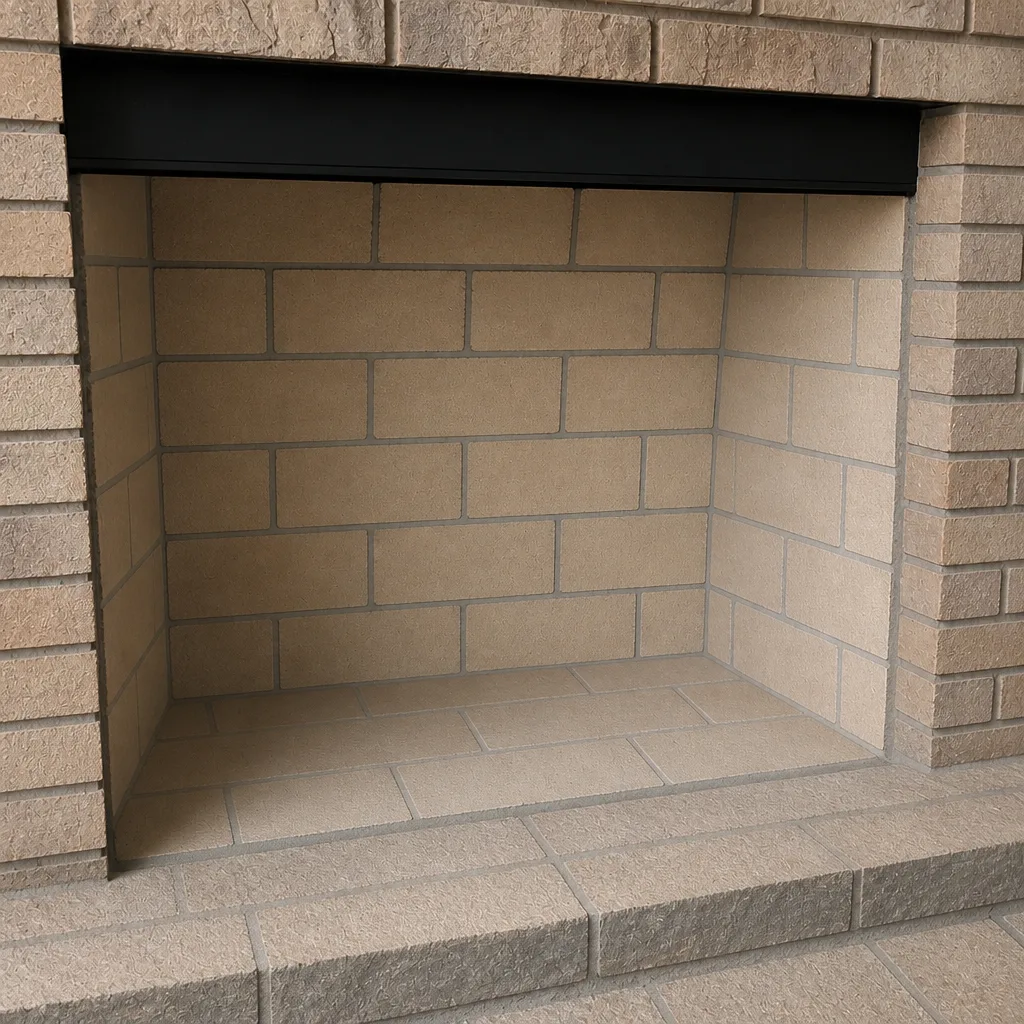
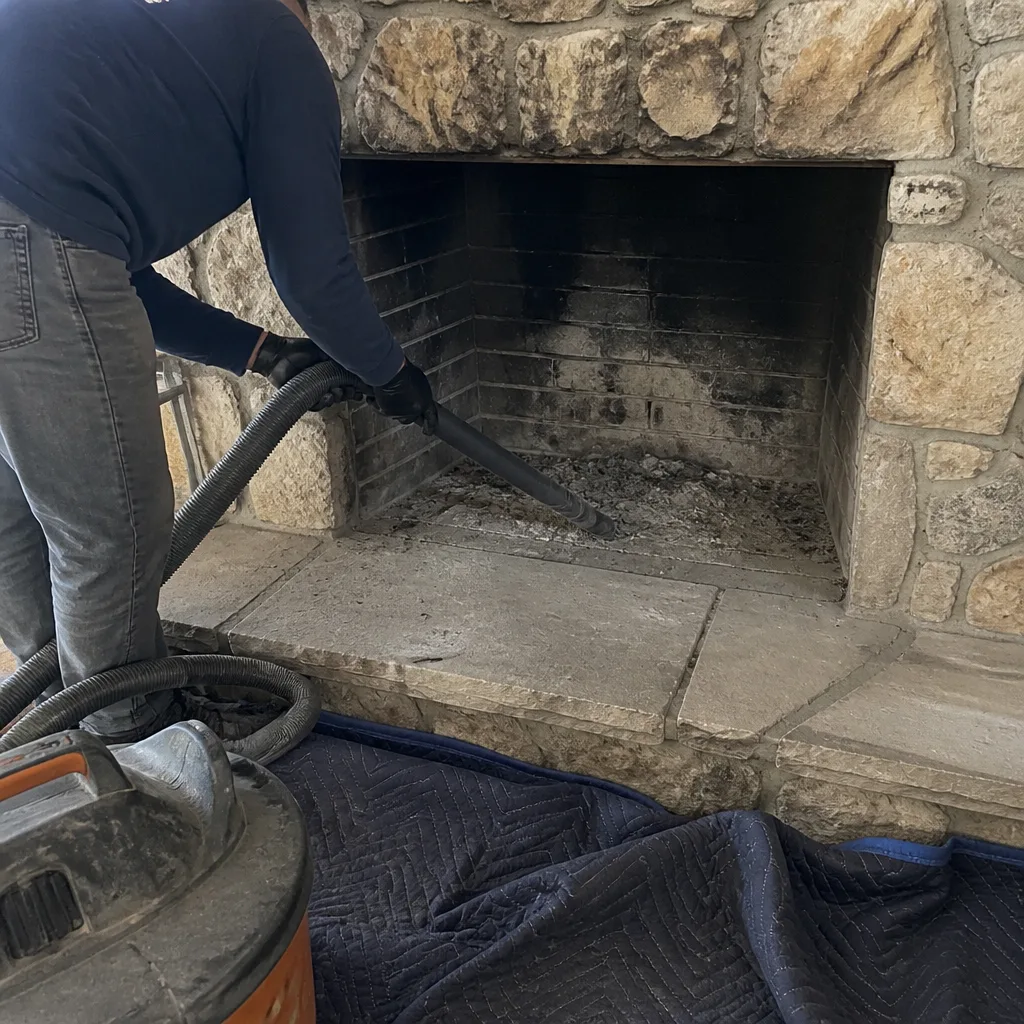
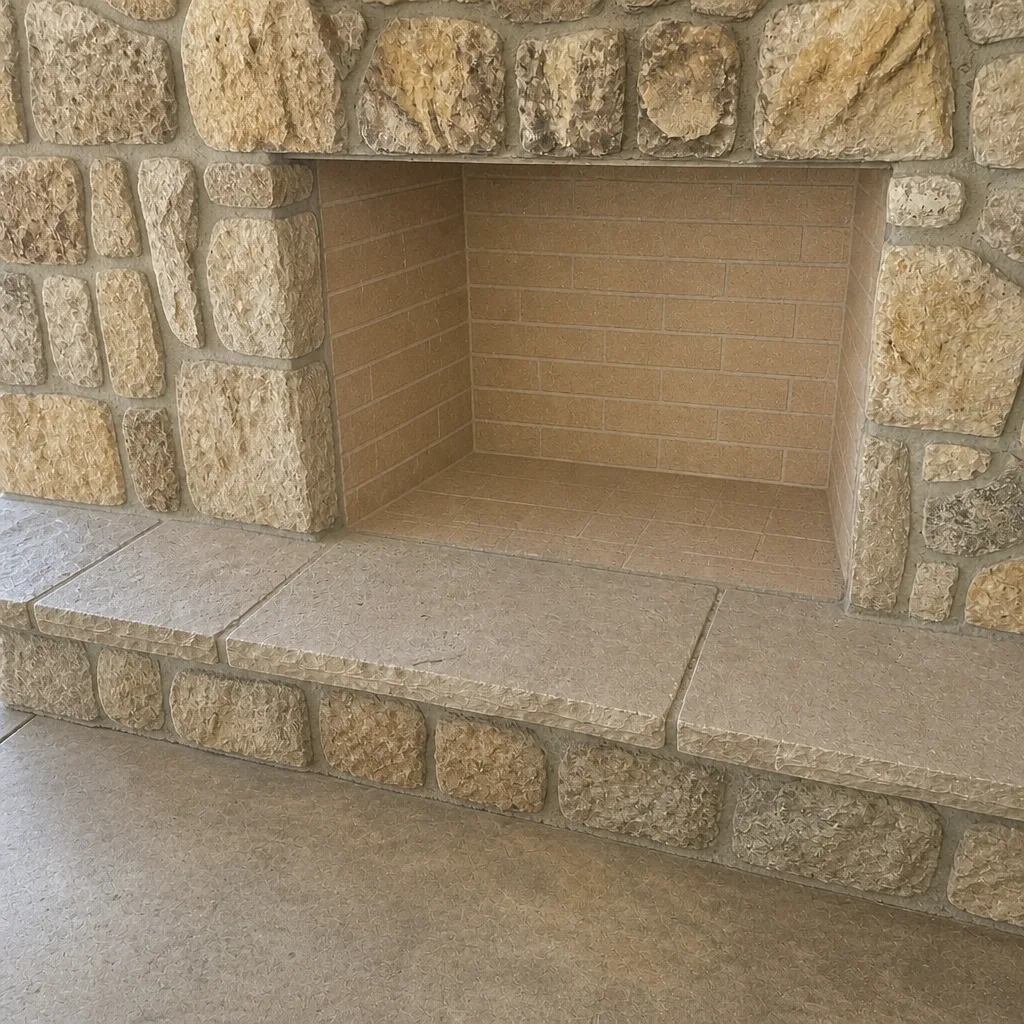
See the difference
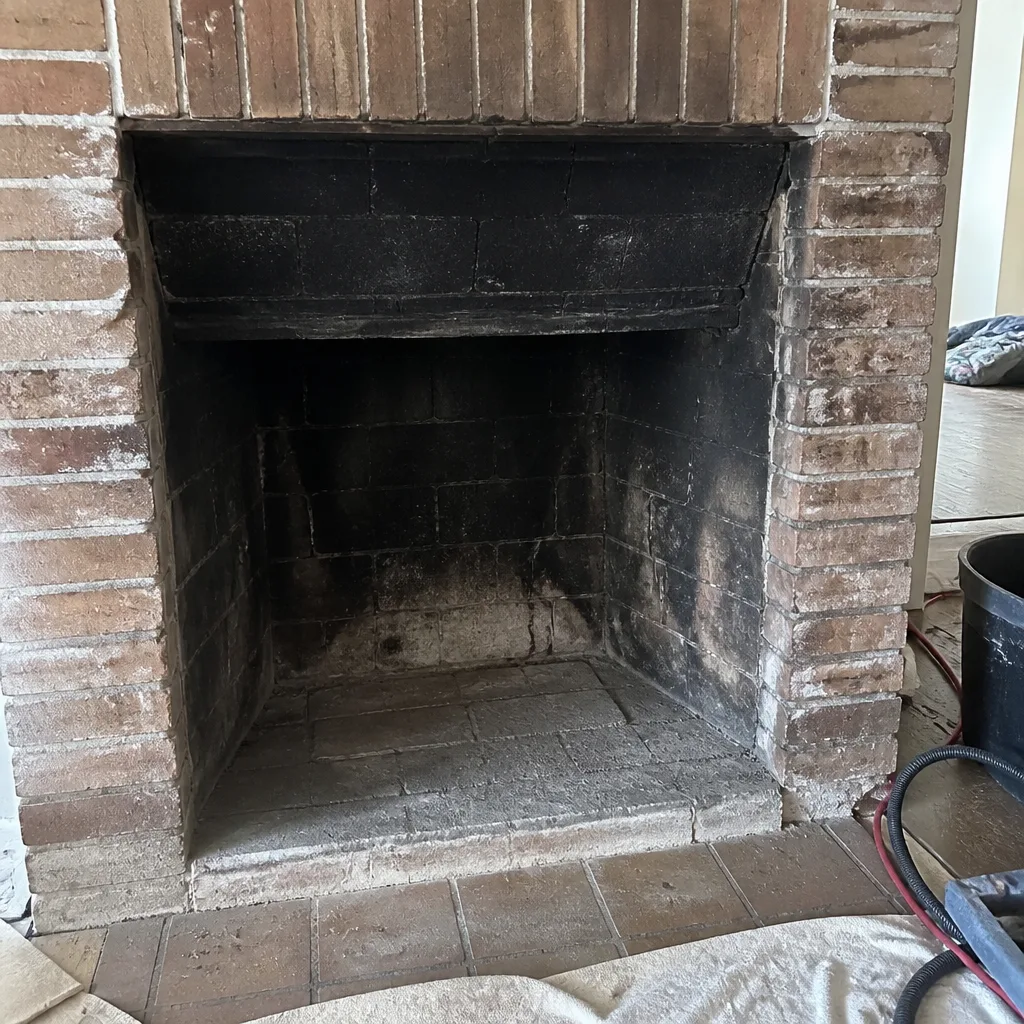 Before
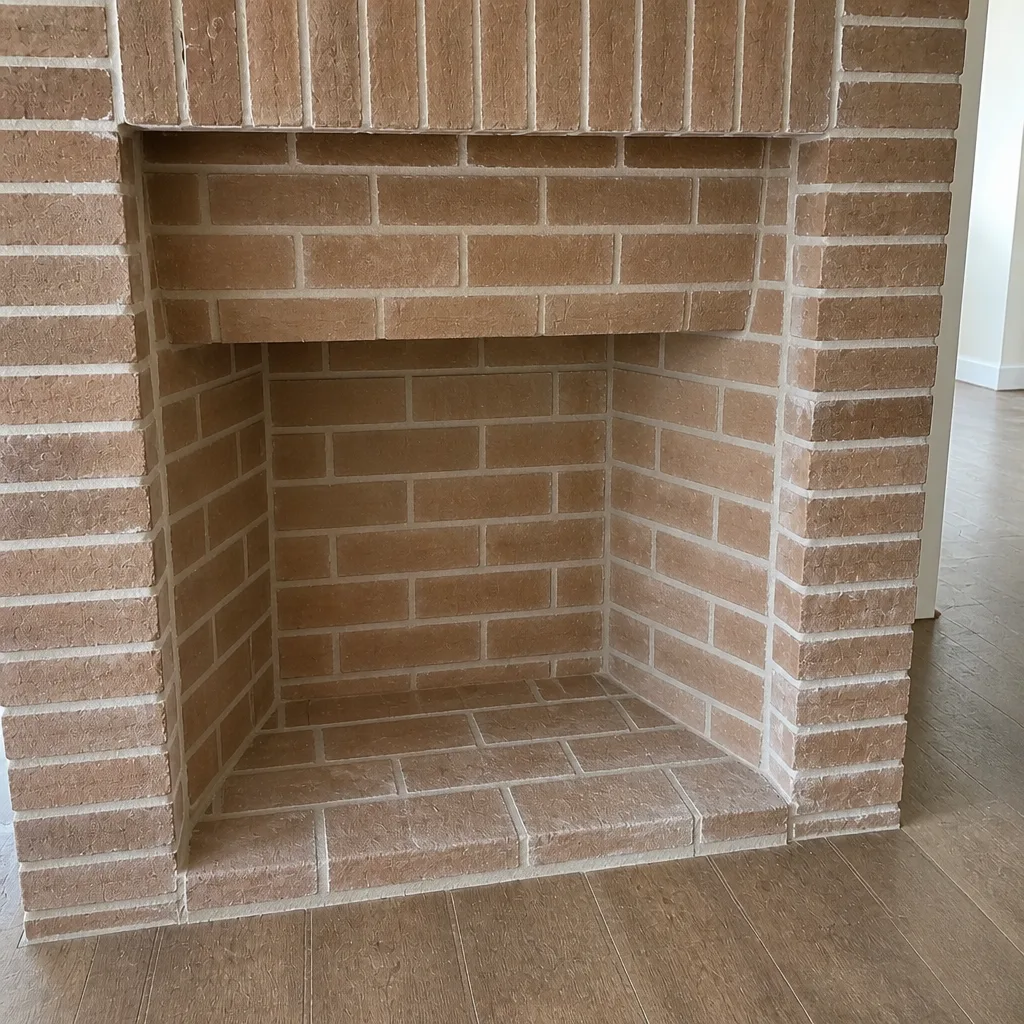 After
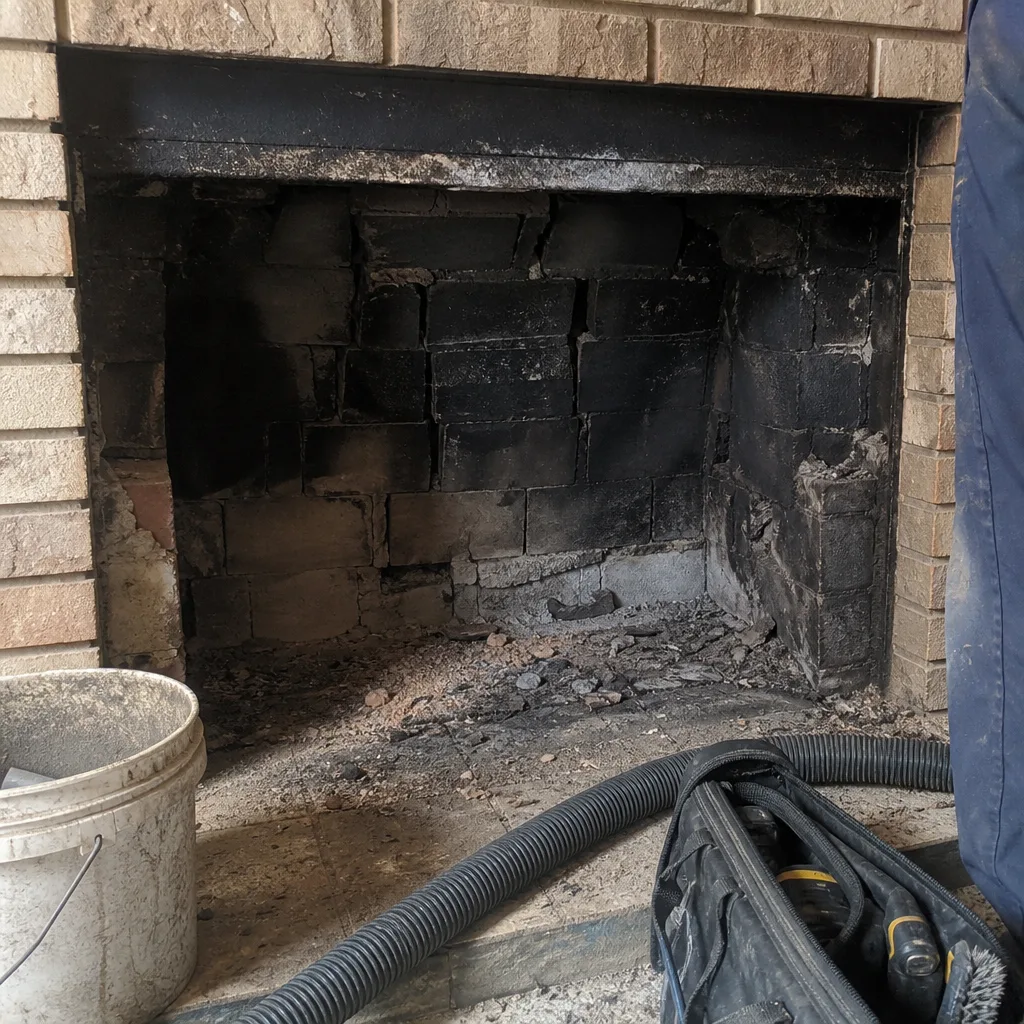 Before
 After
 Before
 After
When to Call a Professional
If you’ve never had a Level 2 inspection and you’re considering selling or refinancing, that call belongs at the top of the list. If your chimney has visible cracks in the crown, missing mortar, or a cap that’s loose or missing, it’s worth having inspected before the next burning season. If you’re planning to install a gas insert or wood stove, the inspection and the permit need to happen before the appliance goes in. If you’ve had work done on the chimney and can’t confirm it was permitted, that’s worth a records check now rather than at sale. And if your liner’s condition has ever been described as “compromised” without a clear next step, that’s a conversation worth having. West Jordan Chimney Sweep offers free estimates in West Jordan. Call (866) 947-9321. We answer 24/7. Fast dispatch from 7am to 7pm, Sunday through Friday.
Frequently Asked Questions
No. Routine chimney cleaning and sweeping do not require a building permit in West Jordan. The permit question applies to repair and installation work, not to preventive maintenance. If the sweep turns up a liner or crown issue, that’s when the permit conversation begins. Call (866) 947-9321 for an exact quote on the scope – estimates are free.
Yes, in most cases. Liner replacement or installation is structural work on the flue and generally requires a building permit in West Jordan. The permit ensures the liner is correctly sized, documented, and verified against NFPA 211. Confirm the scope with the city building department and pull the permit before work starts. Call (866) 947-9321 for an exact quote – estimates are free.
A CSIA Level 2 inspection is a thorough professional assessment of the chimney’s condition, including accessible portions of the flue and firebox. A city inspection is the building department’s verification that permitted work was done to code. They serve different purposes and neither replaces the other. Both belong in your property file, especially if you’re selling.
Yes. Installing a gas insert or wood-burning stove into an existing chimney typically requires a mechanical permit, and the liner must be confirmed as compatible with the appliance’s listing. The liner usually needs to be installed or replaced before the appliance goes in, and the permit is what documents that it was done correctly. Call (866) 947-9321 for an exact quote – estimates are free.
The work itself is often completed in a day or two, depending on the scope. The permit process adds time for plan review and inspection scheduling, and the total varies with the city’s workload and the complexity of the job. We’ll set the timeline in the written estimate, not before. Call (866) 947-9321 for an exact quote – estimates are free.
The work may still be functioning, but it isn’t documented. That absence shows up when you sell, when you refinance, or when a future inspector flags an issue and asks for a construction record. Getting the current condition assessed and documented now is the practical first step. Call (866) 947-9321 for an exact quote – estimates are free.
The Bottom Line
Cleaning is not permitted work. Repair is. That one distinction decides how every chimney decision in West Jordan should be handled: what gets inspected, what gets permitted, and what gets documented. A Level 2 inspection tells you what condition the chimney is in. A building permit tells you the repair was done to code and can be verified later. Skip either one and you’re trading documentation for a short-term saving. At West Jordan Chimney Sweep, we work on the whole chimney system – sweeping, inspection, repair, liner restoration, and cap and crown work – so there’s one specialist from inspection through the permitted repair, with no handoffs and no gaps in accountability. If you’re unsure where your own chimney stands, that’s what we’re here for.
If you’re ready to get your chimney documented, call West Jordan Chimney Sweep at (866) 947-9321 for a free estimate. Our technicians have up to 13 years of experience, and we work with professional-grade product lines including HeatShield, DuraFlex, Famco, and Olympia Chimney so the work in your flue is verifiable. Learn more about our full range of services at West Jordan Chimney Sweep.
Written by the team at West Jordan Chimney Sweep.