
Last updated November 25, 2026
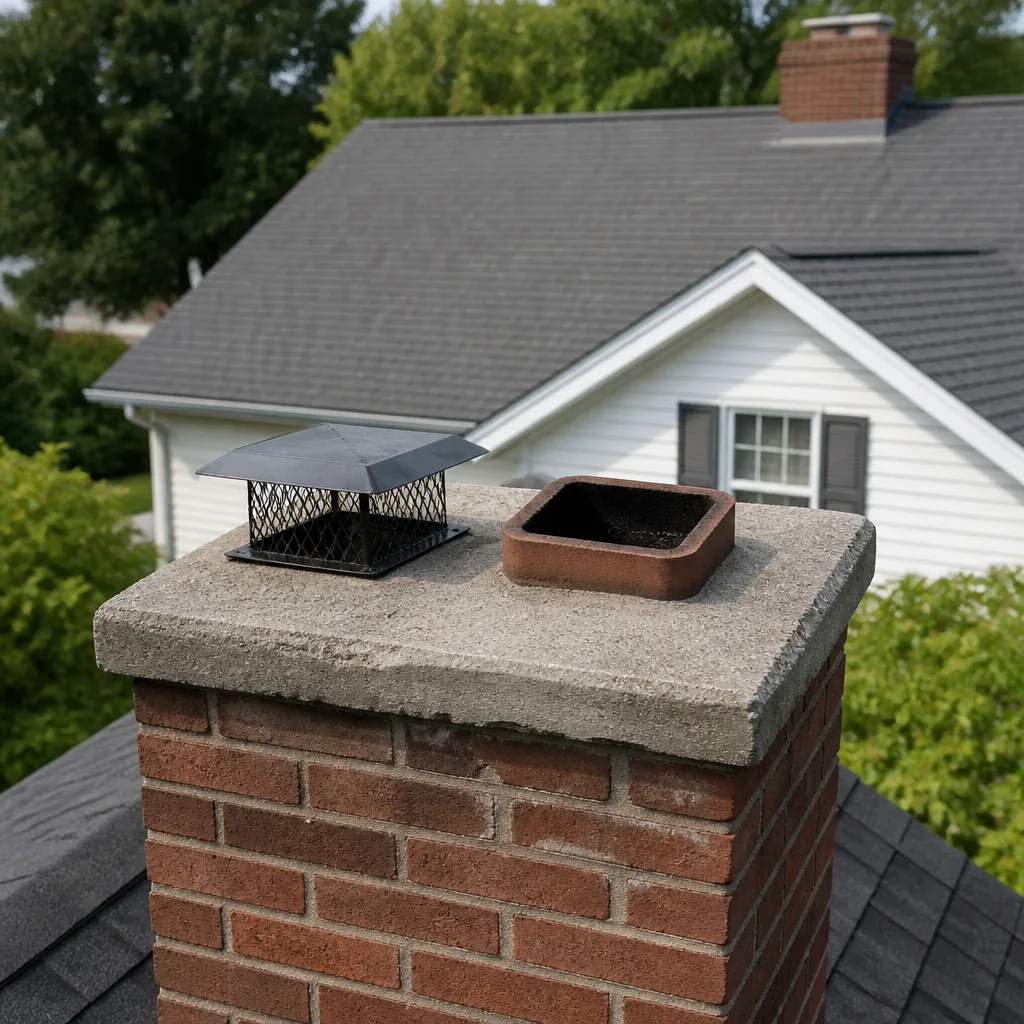 Sweep & inspection
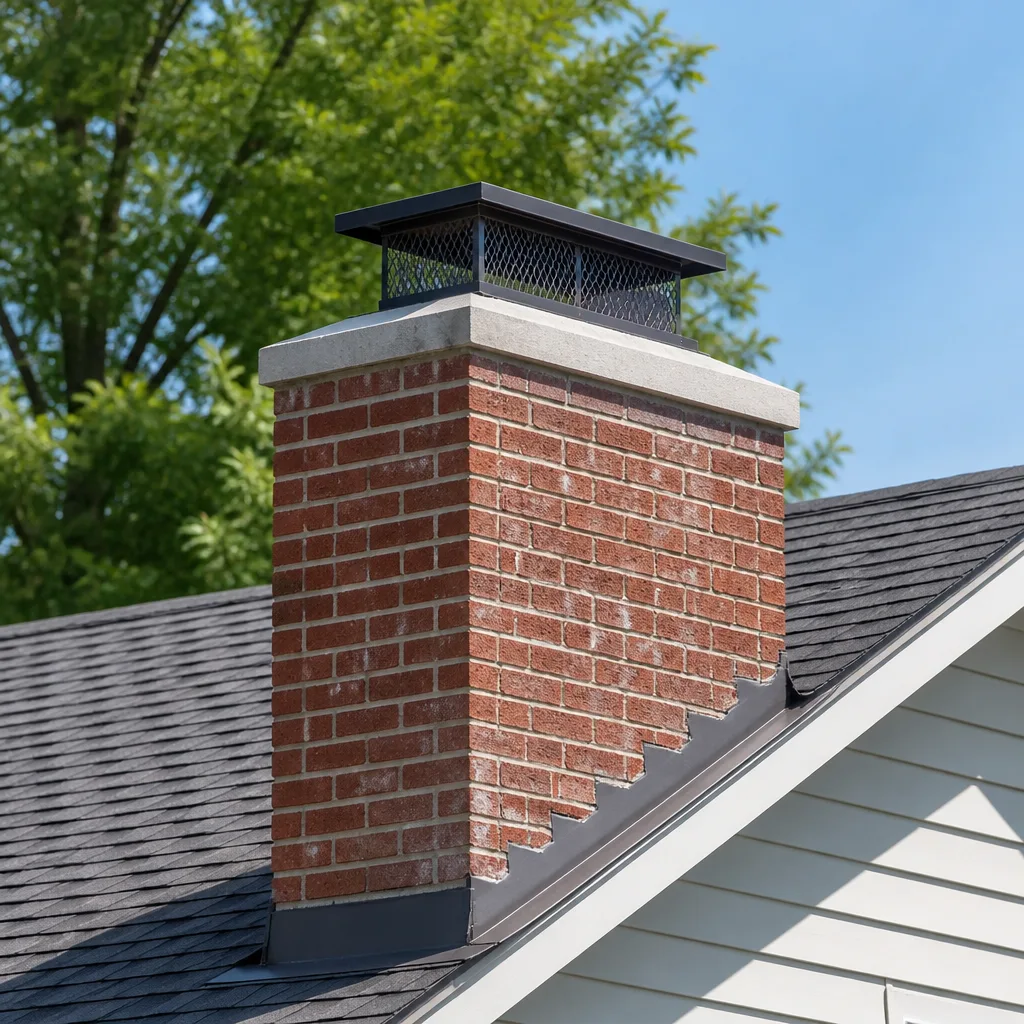 Caps & crowns
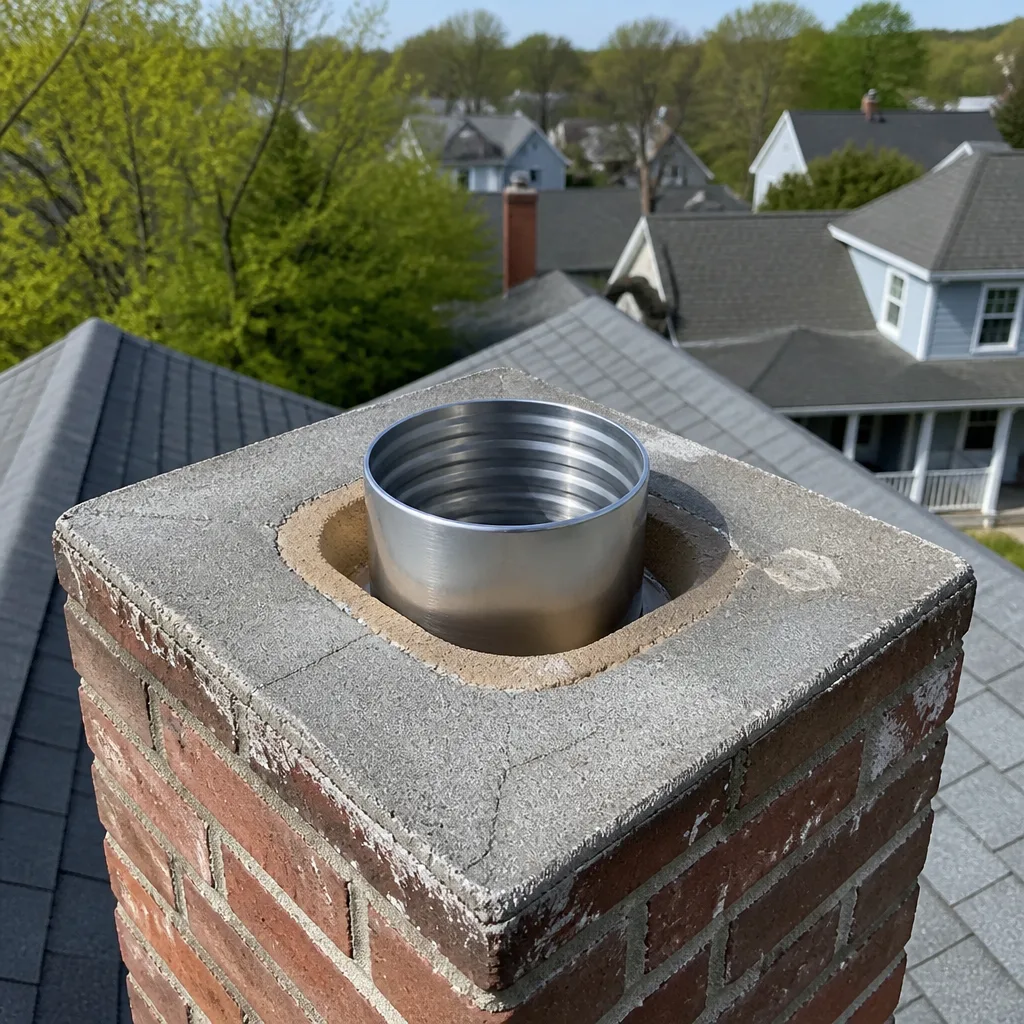 Flue relining
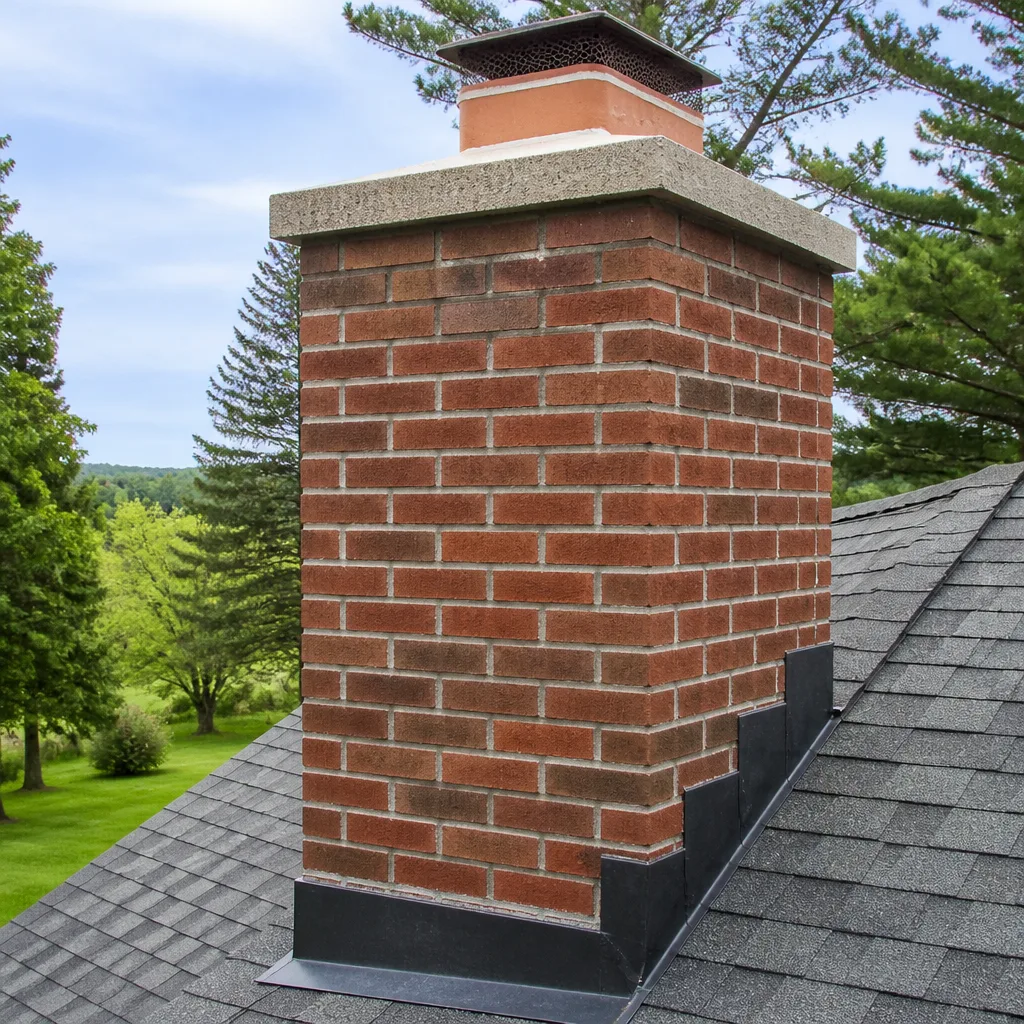 Masonry repair
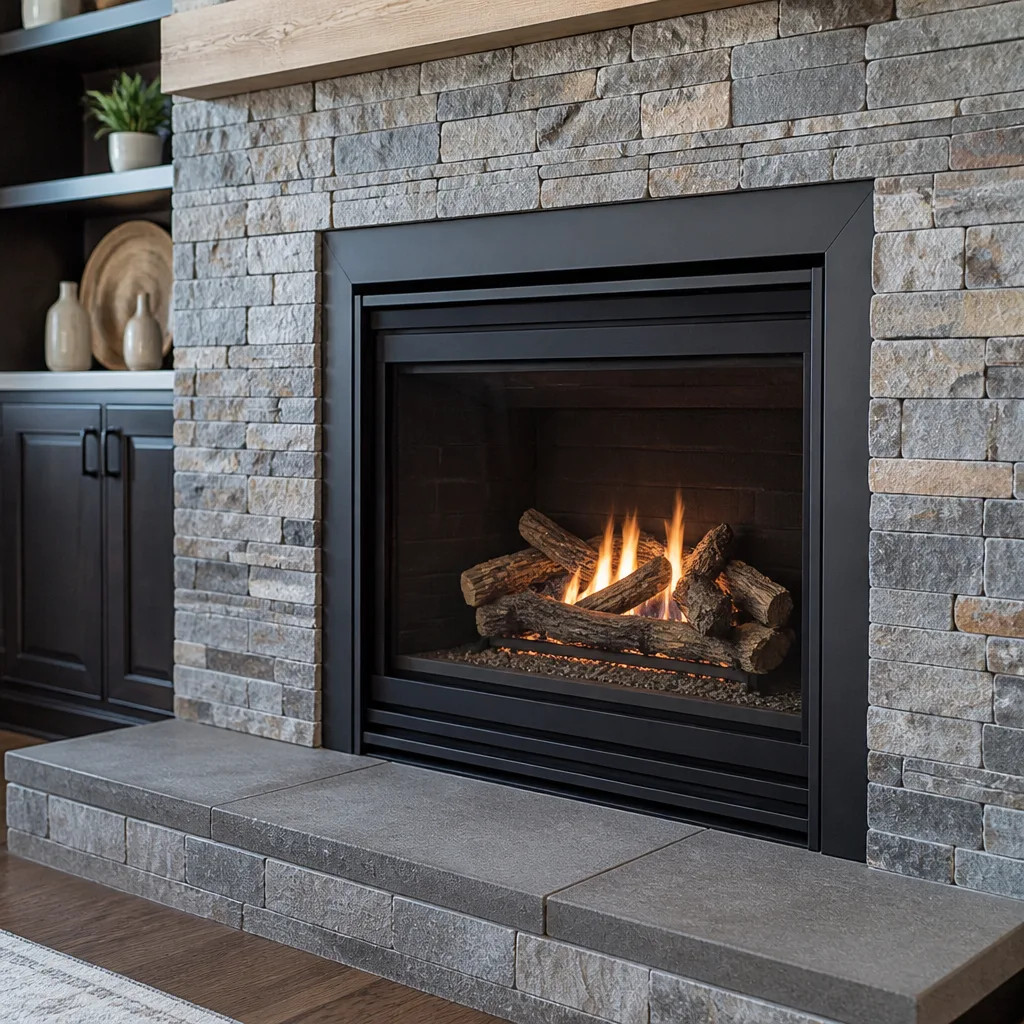 Gas fireplace service
Level 1 sweep and inspection to the NFPA 211 annual standard - flue, crown, cap, and flashing checked and photographed
Chimney sweep logs do not sweep chimneys. They loosen some creosote - which then falls where a brush and vacuum still have to collect it.
How to Hire a Chimney Cleaning Contractor in West Jordan: A Step-by-Step Guide
Here’s the part most homeowners don’t realize until they start calling around: Utah does not require a specialty chimney contractor license. That means anyone with a truck and a brush set can legally clean your chimney in West Jordan, and the burden of vetting falls entirely on you. There’s no license lookup that will tell you whether the person on your roof understands creosote stages, flue liner condition, or draft diagnostics. So what separates a real chimney specialist from a generalist adding sweeps to the menu comes down to credentials, the questions they can answer, and how they document their work. This guide gives you the specific tools to tell the difference.
Quick Answer
To hire a chimney cleaning contractor in West Jordan, verify credentials first (CSIA Certified Chimney Sweep and NFI certification are the two that matter), ask pointed technical questions about liner types and creosote classification, and insist on a documented inspection report with photos rather than a receipt that says “cleaned, looks good.” Because Utah doesn’t license the trade, the interview and the paperwork are your only real screening. Hire a dedicated chimney company, not a handyman or HVAC outfit, so you have clear recourse if something goes wrong later.
Styles & brands we work with
- Sweep & inspection
- Caps & crowns
- Flue relining
- Masonry repair
- Gas fireplace service
Table of Contents
- Why Utah’s Licensing Gap Changes How You Hire
- What “Certified” Actually Means: CSIA and NFI Credentials
- The Five Questions That Expose a Specialist
- How to Read a Quote: Red Flags and Fair Pricing
- What a Thorough Post-Service Report Includes
- Dedicated Chimney Company vs. General Contractor
- West Jordan’s Climate and Your Chimney
- Common Mistakes to Avoid
Why Utah’s Licensing Gap Changes How You Hire
In many states, chimney work sits behind a licensing board that requires exams, continuing education, and a paper trail you can check. Utah isn’t one of them. The state doesn’t issue a specialty chimney contractor license, which means the credential gatekeeping that protects you in other trades simply isn’t there for this one. A crew can show up in West Jordan with no formal training, sweep your flue, and hand you a bill – and nothing about that is illegal.
That gap is why we tell West Jordan homeowners to treat the hiring process like a job interview rather than a price comparison. Price tells you almost nothing about competence in a trade with no licensing floor. The screening has to come from voluntary credentials, technical conversation, and the contractor’s willingness to document findings in writing.
What you’re really protecting against is a scope problem disguised as a cleaning. A sweep-only operator may clean the flue and never look at the liner, the crown, the cap, or the appliance connector. Six months later a cracked liner or a deteriorated crown shows up as a bigger repair than it needed to be. A chimney specialist works on the whole system, not just what’s visible from the living room, and the difference shows up in what they check and what they write down.
There’s a liability angle too. If an unvetted contractor damages a liner or dislodges a cap, and there’s no licensed classification to hold them to, your recourse runs through whatever agreement you signed and whether the work was documented. That’s a strong argument for choosing a company whose entire business is chimneys – one that has a reputation to protect within the trade itself.
What “Certified” Actually Means: CSIA and NFI Credentials
When a website says “certified,” it can mean almost anything – a weekend course, an in-house badge, or nothing verifiable at all. Two credentials carry real weight in this trade, and it’s worth knowing exactly what each one requires.
The CSIA Certified Chimney Sweep credential comes from the Chimney Safety Institute of America. Earning it means passing a proctored exam on the science of chimney and venting systems, including how different flue materials behave, how combustion byproducts move, and how to inspect safely. Holding it requires ongoing renewal and adherence to a code of ethics. It’s not a marketing seal – it’s a test you can fail, and it points to someone who understands why a chimney performs the way it does.
NFI certification comes from the National Fireplace Institute and covers hearth appliances – wood stoves, inserts, gas and pellet units. If your West Jordan home has a wood-burning insert rather than an open fireplace, an NFI-certified technician is the one who can properly assess the appliance and its connector, not just the flue above it.
What “certified” often means without those two letters behind it:
- A certificate of completion from a short online course with no exam.
- A manufacturer’s product training that says nothing about system diagnostics.
- An internal company badge with no external standard attached.
- Nothing at all – a word chosen because it sounds reassuring.
Ask directly: “Are you CSIA certified, and can you tell me what the exam covers?” A specialist answers without hesitation and can explain the credential. Our technicians have up to 13 years of experience, and we’re happy to talk credentials in plain terms because we know the difference between a real one and a badge.
The Five Questions That Expose a Specialist
You don’t need to know chimney science yourself to gauge whether the person quoting you does. These five questions separate a technician who understands systems from a cleaner who runs a brush. The answers matter less than the ease and specificity of the response.
- “What type of liner is in my chimney, and how would you determine that?” A specialist talks about clay tile liners, stainless steel liners, and older unlined flues, and mentions that they confirm liner type with a camera or visual inspection rather than assuming. Someone who only cleans may have no answer at all.
- “Can you classify the creosote stage you’re seeing?” Creosote builds in recognizable stages – from light soot to flaky deposits to the glazed, hardened third stage that’s the fire risk. A real technician uses that language and explains why glazed creosote needs more than a standard sweep.
- “How do you check draft?” Draft is how well the chimney pulls smoke and combustion gases up and out. A specialist mentions testing draft and the conditions that affect it – flue size, blockages, appliance type – rather than just sweeping and leaving.
- “Do you inspect the appliance connector and the crown and cap?” These are where a lot of problems hide, and a system-focused contractor checks all of them without being asked.
- “What will your written report include?” The best answer describes photos, liner condition noted in writing, and the appliance connector assessment. A vague answer here is a red flag on its own.
If a contractor stumbles on liner types or creosote stages, that’s usually the whole story. In our experience, the technicians who can walk you through these answers are the ones who’ll catch the problems a cheaper sweep would miss, and in a state without a licensing gate, that conversation is your best single screening tool.
How to Read a Quote: Red Flags and Fair Pricing
A chimney sweep in West Jordan is a genuine safety service, and a price that looks unusually low is usually a signal rather than a bargain. When quotes run well below what the local market supports, the work is often being cut somewhere – usually the inspection that should come with the sweep, or the documentation that protects you if something turns up.
Red flags to watch for in a written quote:
- A price dramatically below other local quotes. It usually means a sweep-only visit with no real inspection and no findings noted in writing.
- No mention of a camera inspection when you’ve asked about liner condition.
- No line items. A professional quote breaks out sweeping, inspection, and any recommended repairs.
- Repairs recommended with no evidence. If someone tells you that you need work done, ask to see the photos or camera footage first.
- No written scope at all – a price confirmed verbally with nothing to refer back to.
- Pressure to commit to a large repair on the spot before a documented inspection has been completed.
Fair pricing is a written estimate based on your actual chimney. That means the price is set per job after the inspection, not before anyone has looked inside the flue. A contractor who respects your scope will let you see the condition of the liner, crown, and cap and will happily recommend waiting on work that can safely wait. On a repair that requires new components, we install with chimney repair materials we can name – HeatShield for liner restoration, Gelco and Famco for caps and crowns – so you know exactly what’s going on your chimney rather than an anonymous off-brand part.
HeatShield is worth asking about specifically. It’s a ceramic-based liner restoration system that can extend the life of a cracked or deteriorated flue without the cost of a full liner tear-out, and it’s a repair-tier capability that many sweep-only operators simply can’t offer. If a liner is a candidate for restoration, you want a contractor who can assess it, not one who can only recommend the most expensive option.
What a Thorough Post-Service Report Includes
The report you get after the work is done is one of the clearest signs of who you hired. A sweep-only visit often produces a receipt that says the chimney was cleaned and everything looked fine – two lines, no evidence, no baseline for next year. A system-focused inspection produces something you can actually use.
A thorough report should include:
- Photos of the flue interior, including the liner, so you can see what the technician saw.
- Liner condition noted in writing – type, any cracks or gaps, and whether restoration or replacement is warranted.
- The creosote stage observed and what was removed.
- Appliance connector assessment if you have an insert or wood stove.
- Crown and cap condition, since a cracked crown lets water into the masonry and a missing cap lets rain and animals in.
- Clear recommendations that distinguish what needs doing now from what can wait.
Ask to see the report before you pay, and ask questions about anything that isn’t clear. A specialist welcomes that. If you’re told work is needed, you should be able to look at the photos and understand exactly what the technician is pointing at. If the report reads “cleaned, looks good” with no photos and no notation of liner condition, you’ve hired a sweep rather than an inspector, and you have nothing to compare against next season.
Keep the report. If you’re planning to sell a West Jordan home, a documented inspection history is worth having on hand, and it tells the next contractor what the flue has been through.
Dedicated Chimney Company vs. General Contractor
A handyman or an HVAC company can legally clean a chimney in West Jordan, but the difference between them and a dedicated chimney specialist shows up in your recourse if something goes wrong. Generalist outfits exist to handle many jobs, and chimney work is one item on a long list. When a problem surfaces later, the specialist has a single focus and a trade reputation to protect; the generalist can point to any number of causes or drop chimney work entirely.
A dedicated chimney company also handles more of the system in one place. Sweeping, inspection, fireplace work, structural repair, and cap and crown installation are one scope with one accountable specialist, so you’re not coordinating between a sweep who flagged an issue and a separate masonry contractor who has to reintroduce themselves to your chimney. One specialist from inspection through repair means no handoffs and no gaps in accountability.
What to look for to confirm a specialist rather than a moonlighting generalist:
- Chimney work is the company’s entire business, not one of twenty services.
- They mention specific liner and venting products by name rather than generically.
- They offer an inspection tier structure (basic, camera-assisted) rather than a flat “we just sweep.”
- They can discuss your whole chimney system – flue, crown, cap, appliance – in one visit.
When you need a chimney sweep, the question isn’t just who cleans the flue – it’s who will still be able to assess the whole system and handle what they find. That’s the reason to hire a chimney company rather than a general tradesperson, and it’s the whole reason we exist as a single-trade shop.
West Jordan’s Climate and Your Chimney
West Jordan sits in the Salt Lake Valley, where the winters are cold enough to run a fireplace or wood-burning insert steadily through the heating season, and the swings between freeze and thaw put real stress on masonry and crowns. That climate shapes what you should ask a contractor about before you book.
The valley’s cold stretches mean longer burn periods and more creosote accumulation per season than in a milder climate. Long burning seasons are exactly the conditions that push creosote toward the glazed third stage if the flue isn’t swept regularly, so classifying the creosote stage matters more here than in a place with a short winter. Freeze-thaw cycles also work on the crown and the mortar joints at the top of the chimney, opening small cracks that let water in, which is why a cap and crown check belongs in every inspection.
West Jordan’s housing stock ranges from older homes with masonry fireplaces to newer construction with inserts and factory-built units, and older flues in particular are worth a close look – unlined or aging clay tile liners show up in a lot of the valley’s established neighborhoods. That’s where a contractor’s liner expertise separates out: a sweep-only operator may not be equipped to assess an aging liner at all.
One more local angle: if your home is in an area of West Jordan where valley air quality rules limit wood burning on certain days, the fireplace may get used less than you expect, and creosote can sit for long stretches. That’s a reason to keep the annual inspection on schedule even in a lighter-burn year. When you need the whole system looked at, a West Jordan Chimney Sweep who works this climate season after season knows what to expect from a valley chimney. And if you have a wood-burning insert, fireplace repair and appliance assessment belong with the sweep and inspection rather than being a separate call.
Common Mistakes to Avoid
Here’s what we most often see homeowners do wrong when hiring a chimney contractor in West Jordan:
- Choosing on price alone. A dramatically low quote in a trade with no license floor usually signals a shorter visit, no inspection, and no documented findings – not a better deal. Compare what’s included, not just the number.
- Accepting “certified” without evidence. Ask whether the credential is CSIA or NFI and what the exam covers. If the answer is vague, keep looking.
- Skipping the report. If you don’t get photos and a written note on liner condition, you have no baseline for next season and no protection if a problem turns up later. Ask for it in writing.
- Hiring a generalist for a specialist job. A handyman can legally sweep your flue in West Jordan, but recourse is thinner if something goes wrong, and the inspection is usually the part that gets skipped.
- Agreeing to repairs with no evidence. Nothing should be recommended without camera or photo evidence you can see for yourself. Ask to look at the footage.
- Waiting on a safety issue. A blocked flue or a compromised liner is a fire and carbon monoxide concern, not an aesthetic one. If a contractor flags either, treat it as urgent.
- Going a season without any inspection. Even a light-burn year benefits from the annual check, and a missed year is when small masonry and crown problems grow into structural repairs.
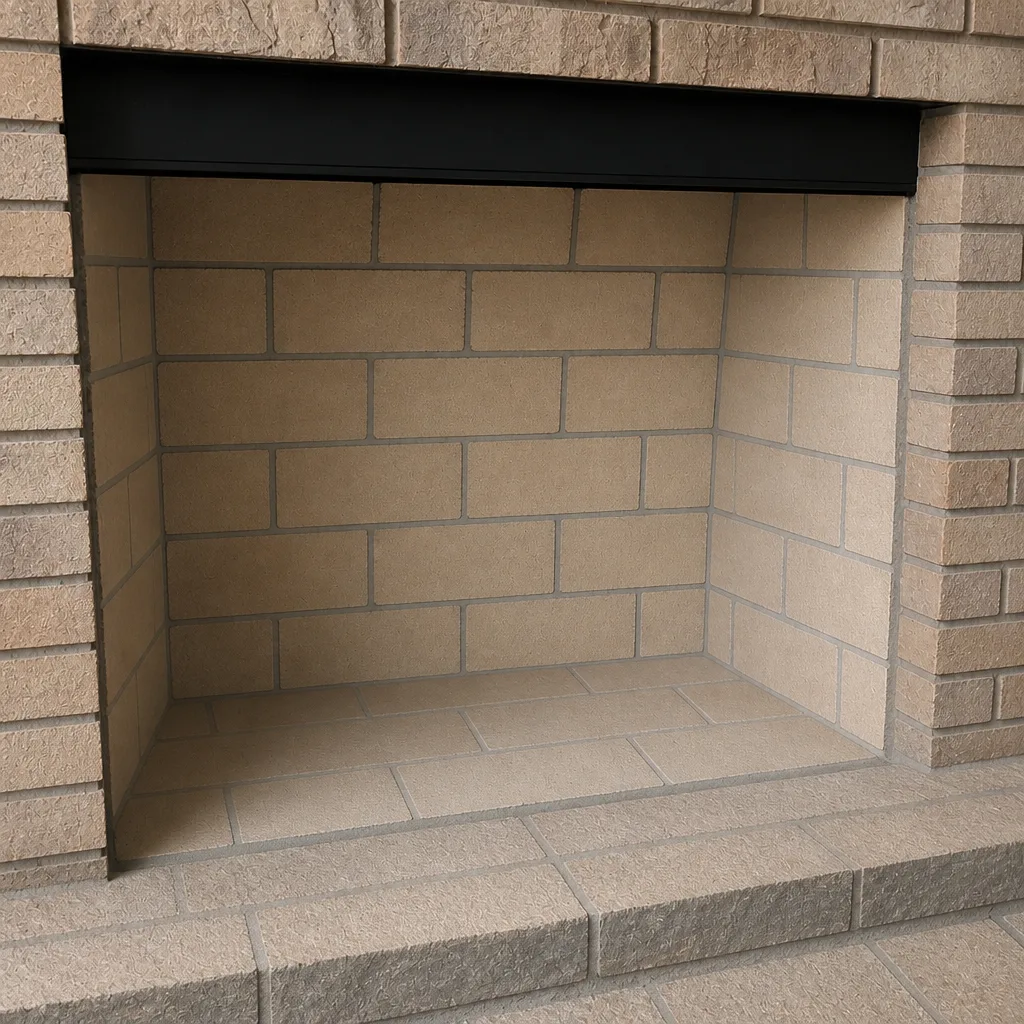
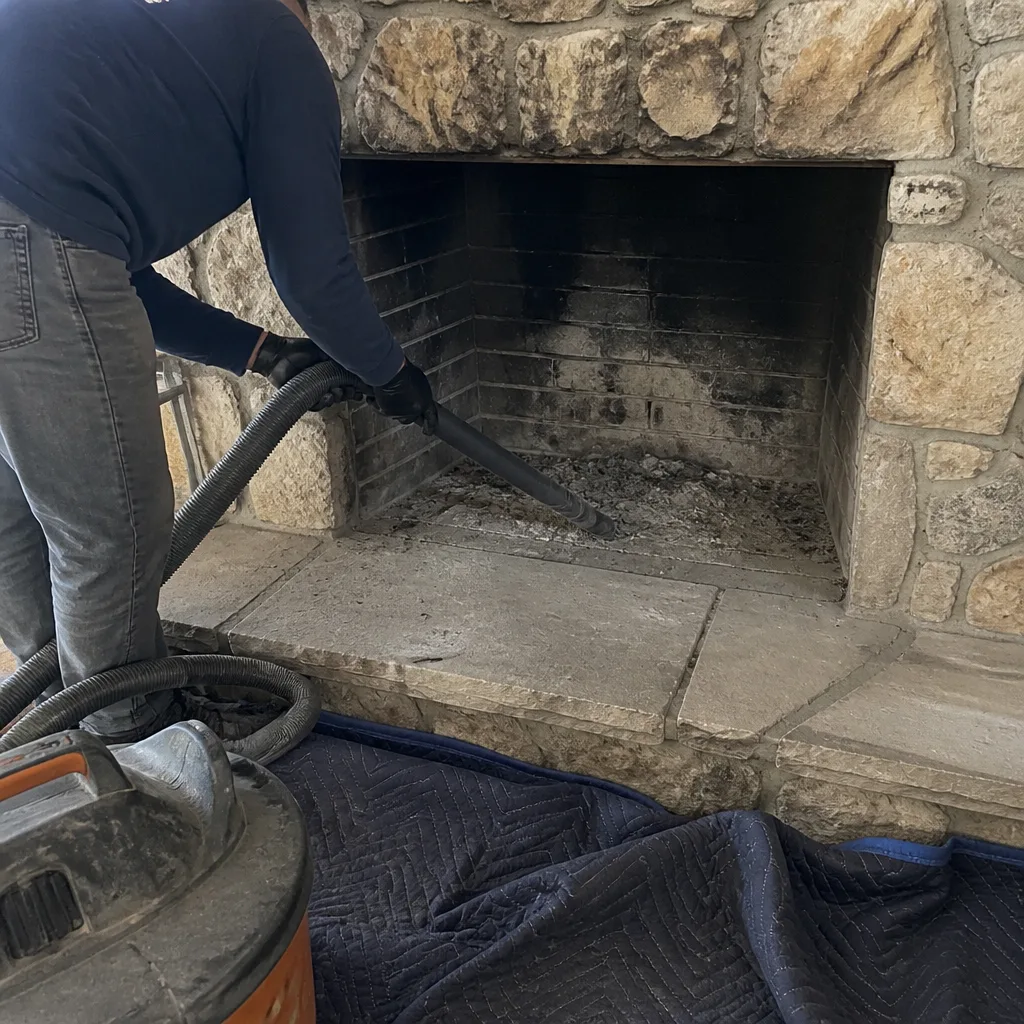
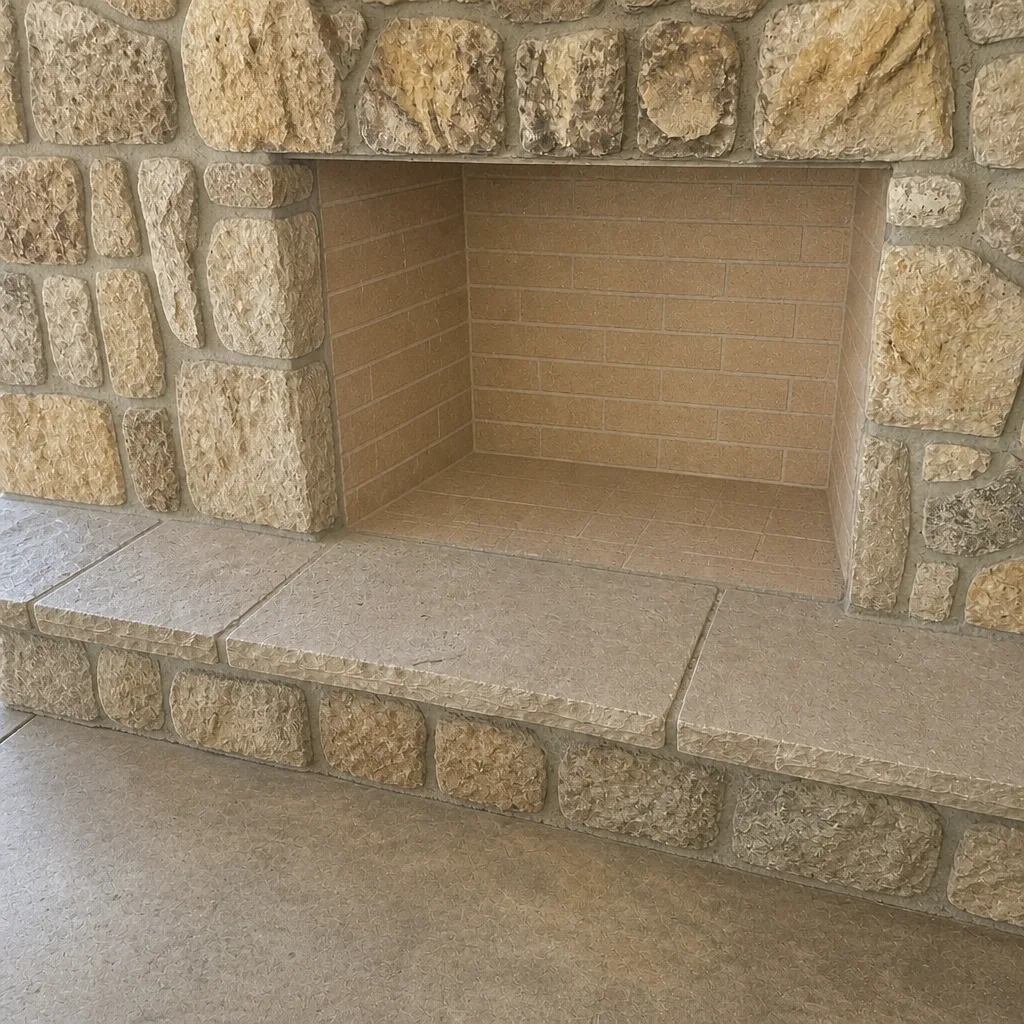
See the difference
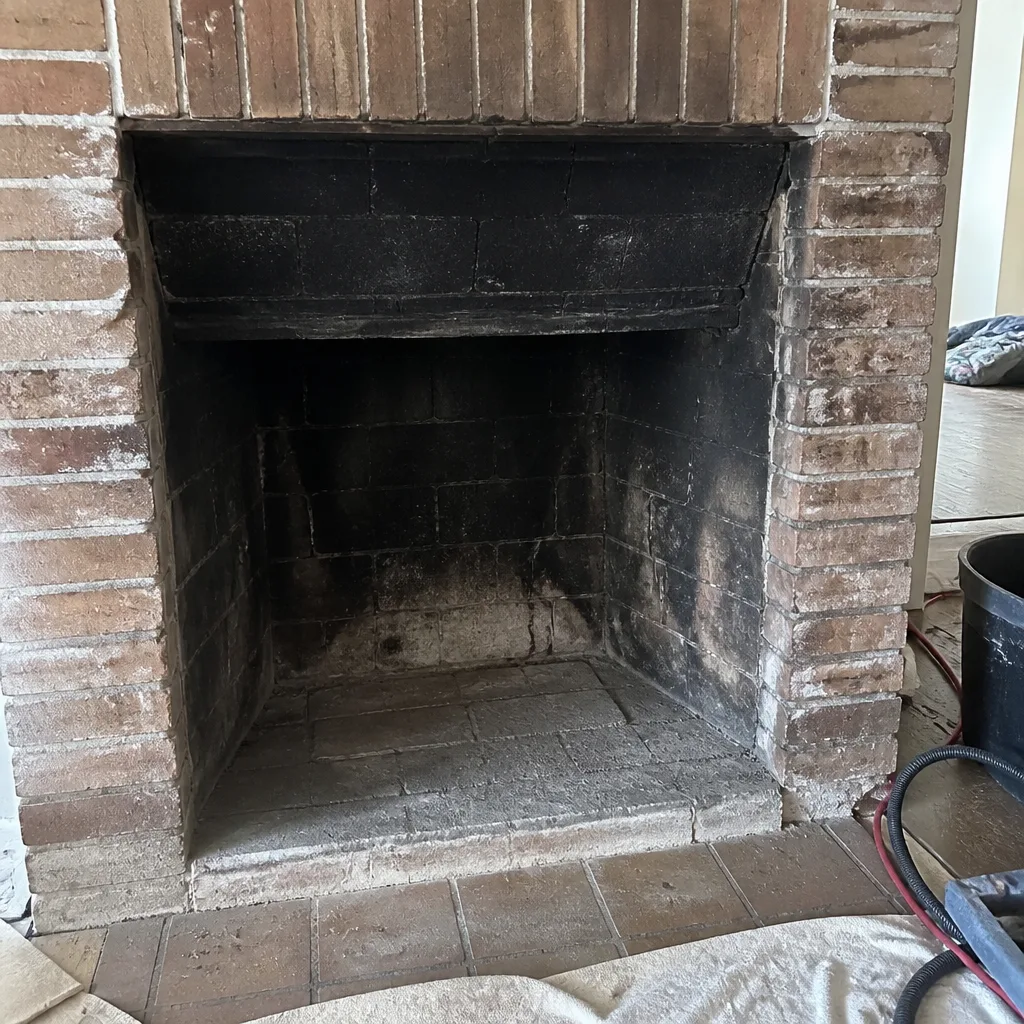 Before
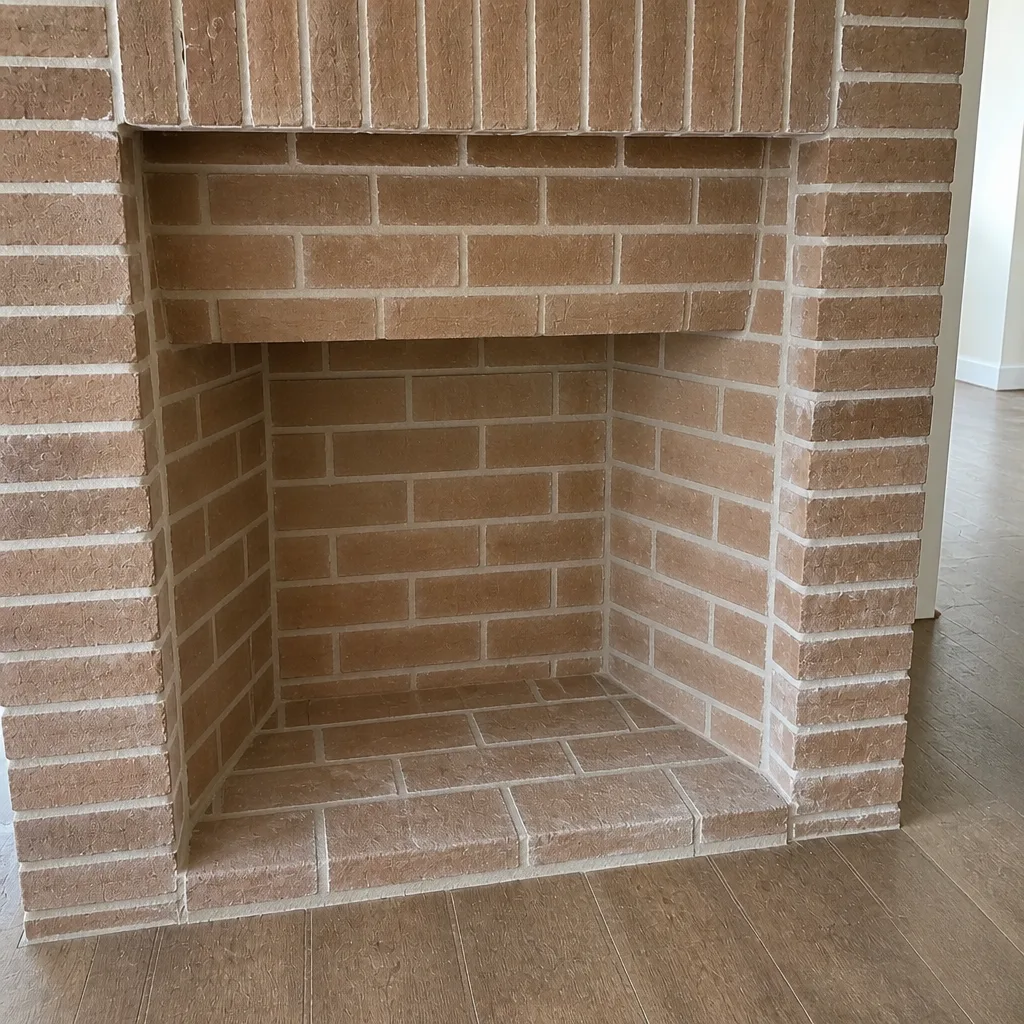 After
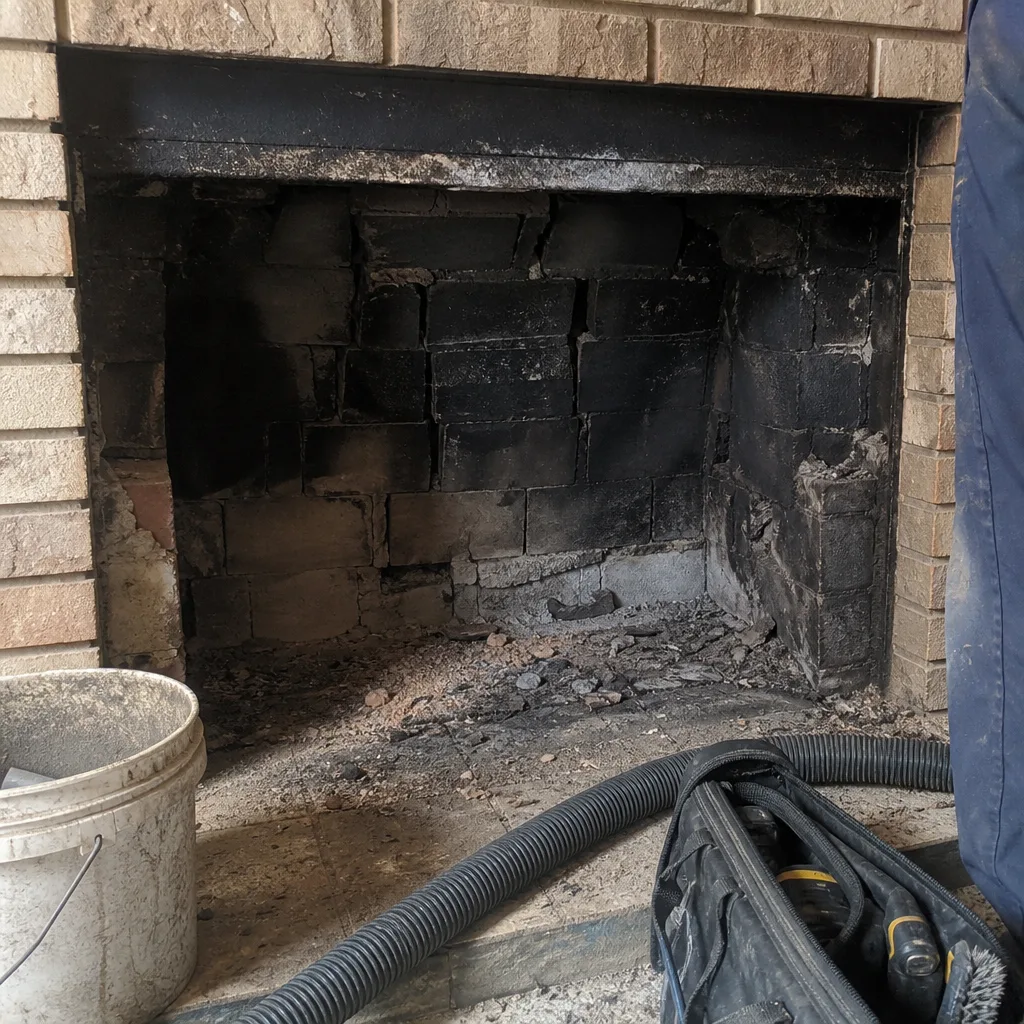 Before
 After
 Before
 After
When to Call a Professional
Call a chimney professional when you’re due for the annual sweep and inspection, when you’ve moved into a West Jordan home and don’t know the last time the flue was checked, or when you’re preparing to sell and need a documented inspection. Call right away if you smell a strong creosote odor, notice smoke backing into the room, see cracked or missing crown material, or find that a cap is loose or gone – those are safety conditions rather than maintenance ones. If a contractor has flagged a liner issue and you want a second look with camera evidence, that’s worth scheduling too.
West Jordan Chimney Sweep offers free estimates in West Jordan – call (866) 947-9321. Every visit starts with a flat-price sweep agreed before booking, and the price is set per job by the written estimate. We work on the whole system and can handle what a sweep-only competitor can’t.
Frequently Asked Questions
A chimney sweep in West Jordan is priced per job with a written estimate rather than a fixed rate, so the number depends on your flue and the inspection level you need. The visit usually includes a flat-price sweep agreed before booking along with a camera inspection and a photo report. Call (866) 947-9321 for an exact quote – estimates are free.
A liner is only needed when the inspection shows a genuine problem – cracks, gaps, or deterioration that would let heat or combustion gases reach the masonry. Nothing should be recommended without camera evidence you can see for yourself, and a specialist will tell you plainly when work can safely wait. HeatShield liner restoration can sometimes extend a compromised flue without a full tear-out, which is the kind of option a specialist should be able to give you. Call (866) 947-9321 if you want your liner assessed.
Most chimneys used regularly should be swept and inspected once a year, and a heavier burn season or a buildup of creosote moves that up. In West Jordan’s long cold winters, a fireplace or insert tends to run steadily through the heating season, which makes the annual inspection worth keeping on schedule. Call (866) 947-9321 to book a sweep and inspection.
Skipping the sweep lets creosote accumulate toward the glazed third stage, which is the fire risk, and it lets small liner, crown, and cap problems grow unnoticed. It also means no documented condition record from one year to the next. Call (866) 947-9321 and we’ll inspect, sweep, and give you a written baseline.
A generalist can legally clean a chimney in West Jordan because the state doesn’t license the specialty, but the difference is in what gets checked and in your recourse if something goes wrong later. A dedicated chimney company assesses the whole system and can handle repairs in one scope. For a chimney-only specialist, call (866) 947-9321.
A thorough report includes photos of the flue interior, liner condition noted in writing, the creosote stage observed, appliance connector assessment, and crown and cap condition. A receipt that only says “cleaned, looks good” isn’t a report. For a documented sweep and inspection in West Jordan, call (866) 947-9321.
The Bottom Line
Hiring a chimney contractor in West Jordan comes down to screening for a credential that Utah doesn’t require, which means the interview, the questions, and the written report do the work a license lookup would in another state. Ask about CSIA and NFI credentials, test the technician on liner types, creosote stages, and draft, treat an unusually low quote with suspicion, and insist on photo documentation of liner, crown, and appliance condition. Hire a dedicated chimney specialist rather than a generalist so you have one accountable point of contact and real recourse if something goes wrong. Use branded materials – HeatShield, Gelco, Famco, Olympia Chimney, Copperfield – as a marker of a contractor who puts known parts into your chimney.
Call (866) 947-9321 for a free estimate. We answer 24/7. Fast dispatch from 7am to 7pm, Sunday through Friday. The estimate is free and the price is set per job by the written estimate.
Written by the team at West Jordan Chimney Sweep.